
Why Vaulted Ceilings in Newer Wesley Chapel Homes Need Specialized Roof Ventilation
Vaulted ceilings create stunning open spaces in newer Wesley Chapel homes but trap heat and moisture without proper ventilation. Florida’s high humidity and intense sun turn these beautiful designs into energy drains and potential mold hazards. The physics of airflow in these cathedral-style ceilings differs completely from standard attics making traditional ventilation systems ineffective. Florida Building Code Section R806.
Wesley Chapel’s rapid growth has brought thousands of homes with great rooms and vaulted designs. These spaces lack the attic bypass that allows hot air to escape naturally. Without specialized ventilation systems moisture condenses on the underside of roof sheathing creating perfect conditions for mold growth and wood rot. The result is higher cooling costs structural damage and potential health issues for your family.. Read more about Bringing Natural Light into Dark Hallways with Sun Tunnels for Your Tampa Palms Home.
Why Standard Ventilation Fails Vaulted Ceilings
Traditional attic ventilation relies on air movement between soffit vents and ridge vents through an open attic space. Vaulted ceilings eliminate this pathway. The insulation sits directly against the roof deck leaving no room for air circulation. Hot air becomes trapped against the ceiling creating temperature differentials that can exceed 30 degrees between floor and ceiling height.
This trapped heat does more than make rooms uncomfortable. It accelerates shingle deterioration on the exterior and creates condensation points on the interior. In Wesley Chapel’s climate where afternoon thunderstorms are common the temperature swings between day and night create additional stress on these systems. The moisture that forms has nowhere to go becoming a breeding ground for mold and mildew.
The Physics of Airflow: Soffits Baffles and Ridge Vents
Proper vaulted ceiling ventilation requires creating an air channel between the insulation and roof deck. This is achieved through rafter vents or baffles that maintain a consistent one-inch air gap. These rigid foam channels run from the soffit to the ridge allowing continuous airflow even when insulation is packed tightly against the roof structure.
The system works on simple convection principles. Cooler air enters through soffit vents at the eaves. As it moves up the rafter channel it absorbs heat from the roof deck. By the time it reaches the ridge vent the air is warmer and rises out of the roof creating continuous circulation. This process prevents the temperature extremes that damage both roofing materials and interior finishes. Choosing the Best Roofing Contractor for Your Westchase Home.
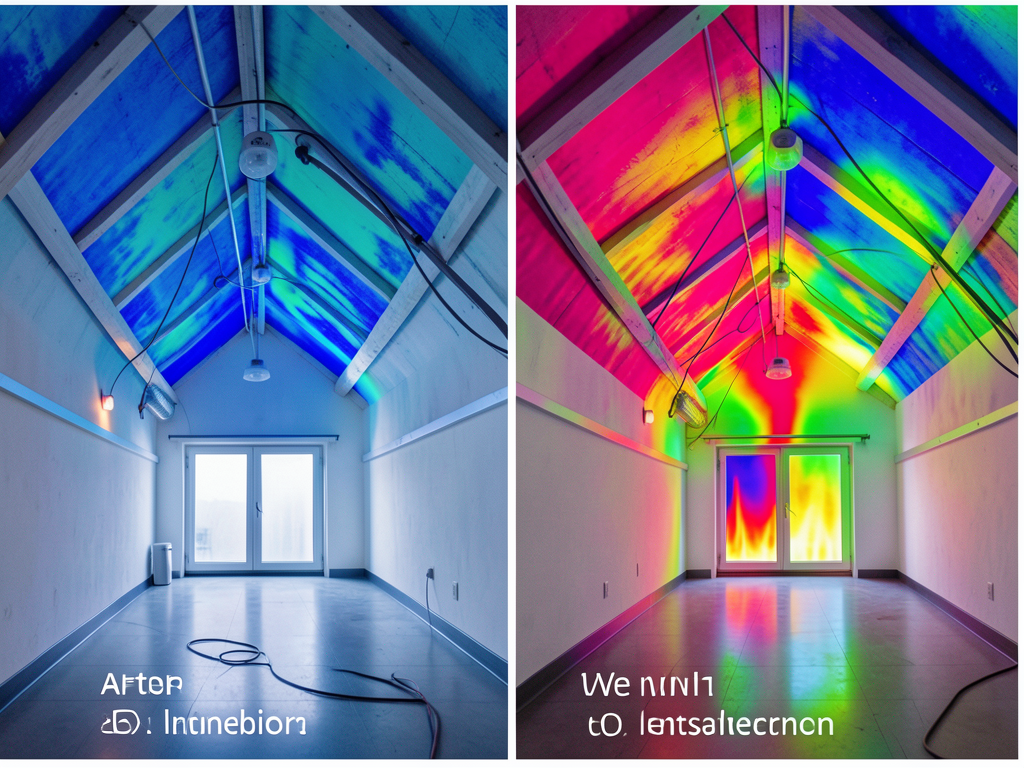
Diagram showing cross-section of vaulted ceiling with rafter baffles continuous airflow path from soffit to ridge vent and proper insulation placement.
Vented vs Unvented Hot Roof Systems for Florida
Florida’s climate presents unique challenges for vaulted ceiling ventilation. The hot roof or unvented assembly uses closed-cell spray foam insulation applied directly to the underside of the roof deck. This creates a thermal barrier that keeps the roof assembly within the conditioned space eliminating the need for traditional ventilation channels.
The closed-cell foam provides an R-value of approximately 6.5 per inch compared to 3.5 for fiberglass. More importantly it creates an air and moisture barrier in one application. In Wesley Chapel’s humid climate this approach prevents the condensation issues that plague traditional vented systems. The foam’s density also adds structural rigidity to the roof assembly improving wind resistance during summer storms.
However hot roof systems require careful design. The entire roof assembly becomes part of the home’s thermal envelope. This means HVAC systems must be properly sized to handle the additional conditioned volume. Building codes in Florida require minimum R-values of R-30 for roofs in Climate Zone 2 which includes Wesley Chapel.
Florida Building Code Requirements for Roof Ventilation
The Florida Building Code Section R806 mandates specific ventilation requirements for vaulted ceilings. Net Free Ventilating Area (NFVA) must equal 1/150 of the insulated ceiling area when using traditional vented assemblies. This translates to approximately 14 square inches of net free area per linear foot of ridge for standard 2×4 construction.
For hurricane-prone areas like Wesley Chapel the code requires additional testing. TAS 100(A) testing ensures ventilation components can withstand wind-driven rain without allowing water infiltration. This is critical during summer thunderstorms when wind speeds can exceed 60 mph. The test simulates 8 inches of rain per hour at wind speeds up to 110 mph.
Building officials in Pasco County where Wesley Chapel is located enforce these requirements strictly. They verify that ventilation products carry the TAS 100(A) certification mark before approving new construction or major renovations. This protects homeowners from water damage during the frequent afternoon storms that characterize Florida summers.
Signs Your Tampa Home Has Poor Ceiling Ventilation
Recognizing ventilation problems early can prevent costly damage. Look for these warning signs in your vaulted ceiling spaces:
- Peeling paint or bubbling drywall near ceiling peaks
- Mildew smell in upper-level rooms especially after rain
- Uneven cooling with upper floors significantly warmer than lower levels
- Ice dam-like formations on north-facing slopes during rare freezes
- Premature shingle granule loss on exterior roof slopes
These symptoms indicate moisture accumulation within the ceiling assembly. The moisture often travels along rafters before condensing on cooler surfaces. By the time visible damage appears significant deterioration may have already occurred within the ceiling cavity.
Cost-Benefit Analysis of Ventilation Upgrades
Upgrading vaulted ceiling ventilation in an existing Wesley Chapel home typically costs between $3000 and $8000 depending on roof size and complexity. This investment pays for itself through multiple channels. Improved ventilation can reduce cooling costs by 15-25% in Florida’s climate where air conditioning runs nine months per year.
The structural benefits are equally important. Preventing moisture damage extends roof life by 5-10 years. Shingles on properly ventilated roofs show less curling and granule loss. The reduced thermal cycling also prevents the expansion and contraction that causes nail pops and fastener failure in roofing materials. Roofing Dunedin.
Insurance companies in Florida increasingly recognize the value of proper ventilation. Some offer premium discounts for homes with certified ventilation systems particularly in areas prone to high humidity like Wesley Chapel. The certification process involves thermal imaging and moisture testing to verify system performance. Navigating Roof Insurance Claims After a Storm in Tampa.
Metal Roof vs Asphalt Shingle Ventilation Nuances
Metal roofing systems require different ventilation approaches than asphalt shingles. Metal conducts heat more efficiently transferring temperature extremes directly to the roof deck. This makes proper air channel maintenance even more critical. The reflective properties of metal also mean that radiant heat from the sun has a greater impact on the ceiling cavity below. Roofing Saint Petersburg.
Asphalt shingles on the other hand absorb and retain heat creating a different challenge. The granules on shingles protect against UV damage but also trap heat against the roof surface. This stored heat radiates downward into the vaulted ceiling space long after sunset extending the cooling load on air conditioning systems.
In Wesley Chapel where both materials are common the choice affects ventilation strategy. Metal roofs often benefit from increased ridge vent area up to 20% more than shingle requirements. The smoother surface of metal also allows for more efficient air movement requiring less restrictive baffle designs.. Read more about Does a Metal Roof Actually Make Your House Louder During a Tampa Storm?.
Professional Installation Considerations
Installing vaulted ceiling ventilation requires working in confined attic spaces often during Florida’s hottest months. Professional installers use specialized equipment including compact blowers to remove dust and debris that could block air channels. They also employ moisture meters to verify that existing condensation problems are resolved before completing the installation.
The installation process typically takes 2-3 days for an average home. Crews work from the ridge down installing baffles then adding soffit vents as needed. They seal all penetrations including light fixtures and ceiling fans to prevent air leakage that could compromise the ventilation system’s effectiveness.
Quality installers provide before and after thermal imaging to demonstrate system performance. The temperature differential between ceiling peak and floor should decrease by 15-20 degrees after proper ventilation installation. This data helps homeowners understand the system’s impact on both comfort and energy efficiency.

Photo of professional crew installing rafter baffles in a vaulted ceiling showing proper safety equipment and ventilation techniques.
Maintenance and Long-Term Performance
Vaulted ceiling ventilation systems require minimal maintenance but periodic inspection ensures continued performance. Check soffit vents annually for debris buildup from trees and wind. Clear any blockages to maintain proper airflow. Inspect ridge vents after major storms for damage from wind or falling branches.
Moisture meters can detect early signs of condensation problems before visible damage occurs. Test ceiling cavities near peaks during Florida’s most humid months typically July through September. Readings above 20% relative humidity indicate ventilation issues requiring attention.
The baffles themselves typically last the life of the roof but may need replacement if damaged during repairs or renovations. Keep extra material on hand for quick repairs. The one-inch air gap they maintain is critical for system performance. Affordable Roof Replacement Solutions for Homeowners in Riverview.
Energy Efficiency and Environmental Impact
Proper vaulted ceiling ventilation reduces energy consumption by decreasing the load on air conditioning systems. In Wesley Chapel where summer cooling bills often exceed $300 monthly this translates to significant savings. The reduced energy demand also decreases carbon emissions contributing to environmental sustainability.
Many homeowners combine ventilation upgrades with radiant barrier installation for maximum efficiency. Radiant barriers reflect up to 97% of radiant heat preventing it from entering the ceiling cavity in the first place. This combination approach can reduce cooling costs by up to 30% in Florida’s climate.
The environmental benefits extend beyond energy savings. Proper ventilation prevents the mold and mildew growth that often requires chemical remediation. This reduces the use of fungicides and biocides in home environments. The extended roof life also means fewer roofing materials in landfills over the home’s lifetime.
Thermal imaging comparison showing temperature differences before and after vaulted ceiling ventilation installation with color-coded heat mapping.
Frequently Asked Questions
Can I add vaulted ceiling ventilation to my existing home?
Yes most existing homes can be retrofitted with proper vaulted ceiling ventilation. The process involves removing sections of soffit and ridge to install baffles then adding new venting components. Costs vary based on roof complexity but most retrofits take 2-3 days to complete.
How do I know if my vaulted ceiling has ventilation problems?
Look for uneven cooling upstairs high humidity in upper rooms and signs of moisture damage near ceiling peaks. A professional can use thermal imaging to detect temperature differentials and moisture meters to check for condensation within the ceiling assembly.
Does vaulted ceiling ventilation work with all roof types?
Most roof types can accommodate vaulted ceiling ventilation though the specific approach varies. Asphalt shingle metal and tile roofs all have different requirements for baffle design and vent placement. A professional assessment determines the optimal system for your specific roof configuration.
How long does vaulted ceiling ventilation last?
Properly installed ventilation systems typically last the life of the roof 20-30 years. The baffles rarely need replacement unless physically damaged. Vent components may need occasional cleaning or replacement due to storm damage but the core system requires minimal maintenance.
Will better ventilation lower my energy bills?
Yes improved vaulted ceiling ventilation typically reduces cooling costs by 15-25% in Florida’s climate. The exact savings depend on your home’s size roof configuration and existing ventilation quality. Many homeowners see payback on ventilation upgrades within 3-5 years through energy savings alone.
Protect Your Investment with Professional Ventilation Solutions
Vaulted ceilings add beauty and value to Wesley Chapel homes but require specialized ventilation to perform properly in Florida’s climate. The combination of high humidity intense sun and frequent storms creates conditions that can damage both your roof structure and interior finishes without proper airflow management.
Don’t wait for visible damage to appear. The cost of preventing moisture problems through proper ventilation is far less than repairing structural damage and replacing ruined finishes. Our team understands the unique challenges of Florida’s climate and the specific requirements of Pasco County building codes.
Call (656) 245-0955 today to schedule your vaulted ceiling ventilation assessment. We’ll evaluate your current system identify any problems and recommend solutions that protect your home and lower your energy costs. Our experienced technicians use thermal imaging and moisture testing to verify system performance before considering any job complete.
Pick up the phone and call (656) 245-0955 before the next summer storm hits. Your vaulted ceilings deserve ventilation that works as hard as Florida’s sun shines. For more information, visit ASHRAE ventilation standards.
You may also find this helpful. Why Your Tampa Roof Might Be Sweating (And How to Stop the Attic Condensation).
{
“@context”: “https://schema.org”,
“@type”: “BlogPosting”,
“headline”: “Why Vaulted Ceilings in Newer Wesley Chapel Homes Need Specialized Roof Ventilation”,
“description”: “Vaulted ceilings trap heat and moisture in Florida homes. Learn how proper ventilation prevents mold, structural damage, and high cooling costs in Wesley Chapel’s new builds.”,
“wordCount”: 2056,
“datePublished”: “2026-05-25T15:53:00.000Z”,
“dateModified”: “2026-05-25T15:53:00.000Z”,
“inLanguage”: “en-US”,
“mainEntityOfPage”: {
“@type”: “WebPage”,
“@id”: “https://crestlineroofingtampa.com”
},
“publisher”: {
“@type”: “LocalBusiness”,
“name”: “Crestline Roofing Tampa”,
“url”: “https://crestlineroofingtampa.com”
},
“author”: {
“@type”: “Organization”,
“name”: “Crestline Roofing Tampa”,
“url”: “https://crestlineroofingtampa.com”
},
“image”: {
“@type”: “ImageObject”,
“url”: “https://crestlineroofingtampa.com/wp-content/uploads/2026/03/why-vaulted-ceilings-in-newer-wesley-chapel-homes-1.png”
}
}
{
“@context”: “https://schema.org”,
“@type”: “RoofingContractor”,
“name”: “Crestline Roofing Tampa”,
“url”: “https://crestlineroofingtampa.com”,
“address”: {
“@type”: “PostalAddress”,
“addressLocality”: “Tampa”
},
“areaServed”: {
“@type”: “City”,
“name”: “Tampa”
}
}
{
“@context”: “https://schema.org”,
“@type”: “FAQPage”,
“mainEntity”: [
{
“@type”: “Question”,
“name”: “Can I add vaulted ceiling ventilation to my existing home?”,
“acceptedAnswer”: {
“@type”: “Answer”,
“text”: “Yes most existing homes can be retrofitted with proper vaulted ceiling ventilation. The process involves removing sections of soffit and ridge to install baffles then adding new venting components. Costs vary based on roof complexity but most retrofits take 2-3 days to complete.”
}
},
{
“@type”: “Question”,
“name”: “How do I know if my vaulted ceiling has ventilation problems?”,
“acceptedAnswer”: {
“@type”: “Answer”,
“text”: “Look for uneven cooling upstairs high humidity in upper rooms and signs of moisture damage near ceiling peaks. A professional can use thermal imaging to detect temperature differentials and moisture meters to check for condensation within the ceiling assembly.”
}
},
{
“@type”: “Question”,
“name”: “Does vaulted ceiling ventilation work with all roof types?”,
“acceptedAnswer”: {
“@type”: “Answer”,
“text”: “Most roof types can accommodate vaulted ceiling ventilation though the specific approach varies. Asphalt shingle metal and tile roofs all have different requirements for baffle design and vent placement. A professional assessment determines the optimal system for your specific roof configuration.”
}
},
{
“@type”: “Question”,
“name”: “How long does vaulted ceiling ventilation last?”,
“acceptedAnswer”: {
“@type”: “Answer”,
“text”: “Properly installed ventilation systems typically last the life of the roof 20-30 years. The baffles rarely need replacement unless physically damaged. Vent components may need occasional cleaning or replacement due to storm damage but the core system requires minimal maintenance.”
}
},
{
“@type”: “Question”,
“name”: “Will better ventilation lower my energy bills?”,
“acceptedAnswer”: {
“@type”: “Answer”,
“text”: “Yes improved vaulted ceiling ventilation typically reduces cooling costs by 15-25% in Florida’s climate. The exact savings depend on your home’s size roof configuration and existing ventilation quality. Many homeowners see payback on ventilation upgrades within 3-5 years through energy savings alone.”
}
}
]
}
{
“@context”: “https://schema.org”,
“@type”: “BreadcrumbList”,
“itemListElement”: [
{
“@type”: “ListItem”,
“position”: 1,
“name”: “Home”,
“item”: “https://crestlineroofingtampa.com”
},
{
“@type”: “ListItem”,
“position”: 2,
“name”: “Blog”,
“item”: “https://crestlineroofingtampa.com/blog”
},
{
“@type”: “ListItem”,
“position”: 3,
“name”: “Why Vaulted Ceilings in Newer Wesley Chapel Homes Need Specialized Roof Ventilation”
}
]
}
{
“@context”: “https://schema.org”,
“@type”: “Service”,
“serviceType”: “Roofing”,
“provider”: {
“@type”: “LocalBusiness”,
“name”: “Crestline Roofing Tampa”,
“url”: “https://crestlineroofingtampa.com”
},
“areaServed”: {
“@type”: “City”,
“name”: “Tampa”
},
“description”: “Vaulted ceilings trap heat and moisture in Florida homes. Learn how proper ventilation prevents mold, structural damage, and high cooling costs in Wesley Chapel’s new builds.”
}