
Why Your Tampa Roof Might Be Sweating (And How to Stop the Attic Condensation)
If you’ve noticed water spots on your ceiling, a musty smell in your attic, or what looks like a roof leak during humid weather, you might be dealing with attic condensation rather than a true leak. In Tampa’s tropical climate, where humidity regularly exceeds 90% during summer months, this phenomenon affects thousands of homes each year.
Attic condensation occurs when warm, moisture-laden air from your living space rises and meets the cooler surfaces of your roof decking. The science is simple but the damage can be severe: when humid air reaches its dew point on cold surfaces, water droplets form—just like a cold glass of sweet tea on a July afternoon.
Unlike a roof leak from damaged shingles, condensation problems worsen during calm, humid nights and can disappear completely on windy days. This pattern often confuses homeowners who expect consistent moisture if they have a roof failure. The good news? Most condensation issues can be resolved without replacing your entire roof.
Understanding the difference between a true leak and condensation is crucial for Tampa homeowners. A leak typically shows as a steady drip or stain that worsens during rain, while condensation creates widespread moisture across your attic space that varies with humidity levels and temperature changes.
Why Tampa’s Humidity is Your Roof’s Worst Enemy
Tampa’s geographic location along the Gulf of Mexico creates unique atmospheric conditions that make attic condensation particularly problematic. The city experiences an average relative humidity of 74% annually, with summer months often reaching 90% or higher. This moisture-rich environment provides the perfect conditions for condensation to form.
The combination of warm outdoor temperatures and air-conditioned indoor spaces creates a temperature differential that drives moisture upward. When your home’s air conditioning runs constantly during Tampa’s long summers, the cold air inside meets the warm, humid air in your attic, causing moisture to condense on any surface below the dew point.
Local building practices can sometimes worsen the problem. Many Tampa homes built before 2010 lack adequate vapor barriers or proper attic ventilation systems designed for Florida’s specific climate challenges. The Florida Building Code (FBC) now requires specific ventilation ratios, but older homes may not meet these standards. Florida Building Code.
Coastal proximity adds another layer of complexity. Homes in areas like South Tampa, Davis Islands, and Apollo Beach experience higher salt content in the air, which can accelerate corrosion of metal components in your attic while also contributing to moisture problems. The salt particles act as moisture magnets, increasing the likelihood of condensation formation.
Common Signs of Attic Condensation in Florida Homes
Identifying attic condensation early can prevent thousands of dollars in damage. The most obvious sign is water droplets or frost on the underside of your roof decking during cool mornings or after periods of high humidity. These droplets often appear uniformly across large sections of the attic rather than in isolated spots.
Mold growth is another telltale indicator. Dark spots on your roof rafters, ceiling joists, or insulation often signal ongoing moisture problems. In Tampa’s climate, mold can establish itself within 24-48 hours of consistent moisture exposure, making early detection critical for preventing structural damage.
Rusted nail heads protruding through your roof decking create a distinctive pattern known as “nail pops.” The metal nails conduct temperature differently than wood, creating cold spots where condensation forms first. You’ll notice small rust rings around each nail, often accompanied by water stains on the insulation below.
Damp or compressed insulation loses its effectiveness and can create a cascading problem. When insulation becomes wet, it compresses and loses R-value, allowing more heat transfer and creating additional temperature differentials that promote more condensation. This cycle continues until the underlying ventilation issue is resolved.
Musty odors permeating from your attic into living spaces often indicate mold growth from chronic condensation. These smells tend to be more pronounced during humid weather when moisture levels are highest. If you notice these odors intensifying during summer months, your attic ventilation system may need immediate attention.
The Science: Dew Point and Your Attic Ventilation
Understanding dew point is essential for solving condensation problems. Dew point is the temperature at which air becomes saturated with moisture and water begins to condense. In Tampa’s climate, the dew point often hovers between 70-75°F during summer months, meaning any surface cooler than this temperature in your attic will collect moisture.
Proper attic ventilation works by creating airflow that removes moisture-laden air before it can reach dew point on your roof surfaces. The Florida Building Code requires a minimum ventilation ratio of 1 square foot of net free ventilation area per 150 square feet of attic floor space, or 1:300 when using certain high-performance systems.
Air movement in your attic follows specific patterns. Hot air rises and exits through ridge vents or gable vents, creating negative pressure that draws cooler air in through soffit vents. This continuous cycle prevents moisture accumulation. When this system fails due to blocked soffits, inadequate ridge venting, or improper installation, condensation becomes inevitable.
Temperature stratification in your attic creates additional challenges. Even with proper ventilation ratios, poor air distribution can leave cold spots where condensation forms. These areas often occur near HVAC ductwork, bathroom exhaust vents, or anywhere cool air from your living space infiltrates the attic.
Relative humidity measurements provide valuable diagnostic information. Using a hygrometer to monitor attic humidity levels can help identify ventilation problems. Attic humidity should remain below 60% during most conditions. Readings consistently above 70% indicate inadequate ventilation or moisture intrusion from your living space.
How to Prevent Roof Sweating in the Tampa Bay Climate
Improving attic ventilation is the most effective long-term solution for preventing roof sweating. Start by ensuring your soffit vents are clean and unobstructed. Over time, insulation can block these vents, preventing cool air from entering your attic. Installing vent baffles during any roofing project ensures continuous airflow from the soffits to the ridge. Choosing the Best Roofing Contractor for Your Westchase Home.
Ridge vents provide continuous exhaust along your roof’s peak, creating optimal airflow patterns. Unlike individual roof vents, ridge vents work with wind from any direction and don’t create hot spots or cold spots in your attic. For homes with complex roof designs, combining ridge vents with strategically placed gable vents often provides the best results.
Solar-powered attic fans offer an excellent solution for homes with ventilation challenges. These fans actively pull hot, moist air out of your attic, creating negative pressure that draws in cooler air through existing vents. In Tampa’s sunny climate, solar fans operate at peak efficiency exactly when you need them most—during hot, humid afternoons.
Proper insulation plays a crucial role in preventing condensation. The Florida Building Code requires R-30 to R-49 insulation in attics, depending on your specific location within the state. However, more important than R-value is proper installation. Gaps, compression, or missing insulation create thermal bridges that become condensation points.
Radiant barriers can significantly reduce heat gain and help maintain more consistent attic temperatures. These reflective materials installed under your roof decking can lower attic temperatures by 20-30°F, reducing the temperature differential that causes condensation. In Tampa’s climate, radiant barriers often pay for themselves through energy savings alone.
Professional Solutions vs. DIY Fixes
Many homeowners attempt DIY solutions for attic condensation, but some problems require professional diagnosis and repair. While cleaning soffit vents or adding insulation might be manageable weekend projects, identifying and correcting complex ventilation issues often requires specialized equipment and expertise. EPA Mold Guidelines.
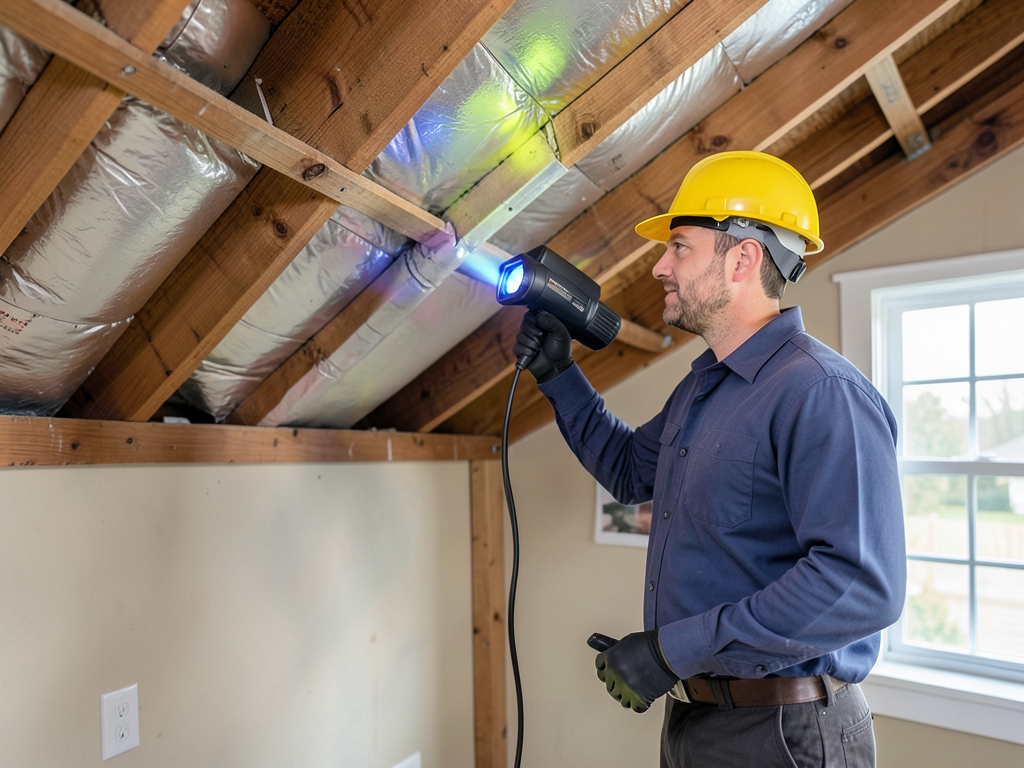
Professional attic inspections use thermal imaging cameras to identify temperature variations and moisture patterns that aren’t visible to the naked eye. These cameras can detect cold spots where condensation forms, even through insulation. A thorough inspection also includes checking for proper vent installation, adequate ventilation ratios, and signs of moisture damage.
DIY solutions that work well include installing vent baffles, cleaning existing vents, and adding insulation where needed. These improvements cost between $200-500 in materials and can significantly improve ventilation. However, if you discover mold, wood rot, or extensive moisture damage, professional remediation becomes necessary to ensure proper cleanup and prevent health hazards.
Professional solutions often involve more comprehensive approaches. Installing a complete ridge vent system, adding solar fans, or implementing advanced ventilation strategies typically costs $1,500-4,000 but provides long-term protection against condensation problems. These investments often pay for themselves through improved energy efficiency and prevented damage.
The decision between DIY and professional help often depends on your home’s age and construction. Homes built before 2010 may have multiple ventilation issues that interact in complex ways. Professional contractors familiar with Tampa’s building codes and climate can identify these interactions and recommend comprehensive solutions rather than treating symptoms. New Roof Construction.
Local Regulations and Florida Building Code Compliance
The Florida Building Code (FBC) establishes specific requirements for attic ventilation that all roofing contractors must follow. Section 7.1 of the Residential Code mandates minimum ventilation ratios and specifies approved ventilation methods. These requirements are particularly stringent in coastal areas due to the increased moisture and wind load considerations. Roofing Dunedin.
Hillsborough County and surrounding areas often have additional requirements beyond the state code. Local building departments may require specific ventilation products or installation methods, particularly in areas designated as High Velocity Hurricane Zones (HVHZ). These zones include coastal regions where wind resistance becomes as important as ventilation efficiency.
Permit requirements for ventilation improvements vary by municipality. In Tampa, most significant ventilation modifications require permits to ensure compliance with current building codes. This includes installing new ridge vents, solar fans, or making structural changes to improve airflow. Working with licensed contractors ensures all necessary permits are obtained.
Insurance considerations also influence ventilation decisions. Many insurance companies now require documentation of proper attic ventilation as a condition of coverage, particularly in coastal areas prone to moisture damage. Some companies offer premium discounts for homes with certified ventilation systems that meet or exceed code requirements. Navigating Roof Insurance Claims After a Storm in Tampa.
Energy efficiency programs through TECO and other utilities may provide rebates for ventilation improvements that reduce cooling costs. These programs often require specific products or installation methods to qualify for incentives. Professional contractors familiar with these programs can help maximize available benefits while ensuring code compliance.
Frequently Asked Questions
How can I tell if my roof is leaking or if I have condensation?
Check the timing and pattern of moisture. Condensation appears during humid weather and shows as widespread moisture across your attic. True leaks worsen during rain and create isolated spots. Also, condensation often disappears on windy days when air circulation improves.
How much does it cost to fix attic condensation in Tampa?
DIY solutions like cleaning vents or adding insulation cost $200-500. Professional ventilation improvements typically range from $1,500-4,000 depending on your home’s size and existing conditions. Severe cases requiring mold remediation can cost $3,000-8,000.
Will improving my attic ventilation lower my energy bills?
Yes. Proper ventilation can reduce cooling costs by 10-25% in Tampa’s climate. Cooler attic temperatures mean your air conditioner doesn’t work as hard, and proper insulation prevents heat transfer into your living space.
How often should I have my attic ventilation checked?
Professional inspections every 2-3 years are recommended, with additional checks after major storms or if you notice moisture problems. Annual DIY checks of visible vents and insulation can help catch problems early.
Can I install solar attic fans myself?
While possible, professional installation ensures proper placement, wiring, and integration with existing ventilation. Incorrect installation can create negative pressure problems that pull conditioned air from your living space, increasing energy costs.
- Inspect Your Attic
Use a flashlight to check for moisture, mold, or rust on rafters and roof decking. Look for water droplets on cool mornings or after humid nights.
- Check Ventilation Openings
Ensure soffit vents are clear of insulation and debris. Verify ridge vents or other exhaust vents are unobstructed and properly installed.
- Test Humidity Levels
Use a hygrometer to measure attic humidity. Readings above 60% indicate ventilation problems that need addressing.
- Improve Air Flow
Install vent baffles if insulation blocks soffits, add ridge vents if missing, or consider solar fans for persistent moisture issues.
- Monitor Results
Check your attic weekly for the first month after improvements. Moisture problems should decrease within 30-60 days if ventilation is adequate.

Take Action Before Condensation Damages Your Home
Attic condensation isn’t just an inconvenience—it’s a threat to your home’s structural integrity and your family’s health. The combination of Tampa’s high humidity and temperature differentials creates perfect conditions for moisture problems that worsen over time. What starts as minor condensation can escalate to wood rot, mold infestation, and compromised insulation within a single humid season.
Early intervention is crucial. If you’ve noticed any signs of attic moisture—water spots on ceilings, musty odors, or visible mold—don’t wait for the problem to escalate. Professional diagnosis can identify whether you’re dealing with simple ventilation issues or more complex moisture intrusion problems that require immediate attention.
Call (656) 245-0955 today to schedule your comprehensive attic inspection. Our experienced technicians understand Tampa’s unique climate challenges and can recommend solutions that comply with all local building codes while addressing your specific moisture problems. We’ll help you protect your investment and ensure your home stays dry and comfortable year-round.
Don’t let another humid night create more condensation damage. Pick up the phone and call (656) 245-0955 before the next storm hits. Your home deserves professional protection from Tampa’s moisture challenges.
You may also find this helpful. Why Those Sideways Rainstorms in Northdale Cause Leaks That No One Can Find.
{
“@context”: “https://schema.org”,
“@type”: “BlogPosting”,
“headline”: “Why Your Tampa Roof Might Be Sweating (And How to Stop the Attic Condensation)”,
“description”: “Discover why Tampa’s high humidity causes attic condensation on your roof and learn proven solutions to prevent mold, wood rot, and structural damage.”,
“wordCount”: 2245,
“datePublished”: “2026-05-26T13:32:00.000Z”,
“dateModified”: “2026-05-26T13:32:00.000Z”,
“inLanguage”: “en-US”,
“mainEntityOfPage”: {
“@type”: “WebPage”,
“@id”: “https://crestlineroofingtampa.com”
},
“publisher”: {
“@type”: “LocalBusiness”,
“name”: “Crestline Roofing Tampa”,
“url”: “https://crestlineroofingtampa.com”
},
“author”: {
“@type”: “Organization”,
“name”: “Crestline Roofing Tampa”,
“url”: “https://crestlineroofingtampa.com”
},
“image”: {
“@type”: “ImageObject”,
“url”: “https://crestlineroofingtampa.com/wp-content/uploads/2026/03/why-your-tampa-roof-might-be-sweating-and-how-to-s-1.png”
}
}
{
“@context”: “https://schema.org”,
“@type”: “RoofingContractor”,
“name”: “Crestline Roofing Tampa”,
“url”: “https://crestlineroofingtampa.com”,
“address”: {
“@type”: “PostalAddress”,
“addressLocality”: “Tampa”
},
“areaServed”: {
“@type”: “City”,
“name”: “Tampa”
}
}
{
“@context”: “https://schema.org”,
“@type”: “FAQPage”,
“mainEntity”: [
{
“@type”: “Question”,
“name”: “How can I tell if my roof is leaking or if I have condensation?”,
“acceptedAnswer”: {
“@type”: “Answer”,
“text”: “Check the timing and pattern of moisture. Condensation appears during humid weather and shows as widespread moisture across your attic. True leaks worsen during rain and create isolated spots. Also, condensation often disappears on windy days when air circulation improves.”
}
},
{
“@type”: “Question”,
“name”: “How much does it cost to fix attic condensation in Tampa?”,
“acceptedAnswer”: {
“@type”: “Answer”,
“text”: “DIY solutions like cleaning vents or adding insulation cost $200-500. Professional ventilation improvements typically range from $1,500-4,000 depending on your home’s size and existing conditions. Severe cases requiring mold remediation can cost $3,000-8,000.”
}
},
{
“@type”: “Question”,
“name”: “Will improving my attic ventilation lower my energy bills?”,
“acceptedAnswer”: {
“@type”: “Answer”,
“text”: “Yes. Proper ventilation can reduce cooling costs by 10-25% in Tampa’s climate. Cooler attic temperatures mean your air conditioner doesn’t work as hard, and proper insulation prevents heat transfer into your living space.”
}
},
{
“@type”: “Question”,
“name”: “How often should I have my attic ventilation checked?”,
“acceptedAnswer”: {
“@type”: “Answer”,
“text”: “Professional inspections every 2-3 years are recommended, with additional checks after major storms or if you notice moisture problems. Annual DIY checks of visible vents and insulation can help catch problems early.”
}
},
{
“@type”: “Question”,
“name”: “Can I install solar attic fans myself?”,
“acceptedAnswer”: {
“@type”: “Answer”,
“text”: “While possible, professional installation ensures proper placement, wiring, and integration with existing ventilation. Incorrect installation can create negative pressure problems that pull conditioned air from your living space, increasing energy costs.”
}
}
]
}
{
“@context”: “https://schema.org”,
“@type”: “HowTo”,
“name”: “How to Prevent Roof Sweating”,
“step”: [
{
“@type”: “HowToStep”,
“position”: 1,
“name”: “Inspect Your Attic”,
“text”: “Use a flashlight to check for moisture, mold, or rust on rafters and roof decking. Look for water droplets on cool mornings or after humid nights.”
},
{
“@type”: “HowToStep”,
“position”: 2,
“name”: “Check Ventilation Openings”,
“text”: “Ensure soffit vents are clear of insulation and debris. Verify ridge vents or other exhaust vents are unobstructed and properly installed.”
},
{
“@type”: “HowToStep”,
“position”: 3,
“name”: “Test Humidity Levels”,
“text”: “Use a hygrometer to measure attic humidity. Readings above 60% indicate ventilation problems that need addressing.”
},
{
“@type”: “HowToStep”,
“position”: 4,
“name”: “Improve Air Flow”,
“text”: “Install vent baffles if insulation blocks soffits, add ridge vents if missing, or consider solar fans for persistent moisture issues.”
},
{
“@type”: “HowToStep”,
“position”: 5,
“name”: “Monitor Results”,
“text”: “Check your attic weekly for the first month after improvements. Moisture problems should decrease within 30-60 days if ventilation is adequate.”
}
],
“image”: “https://crestlineroofingtampa.com/wp-content/uploads/2026/03/why-your-tampa-roof-might-be-sweating-and-how-to-s-1.png”
}
{
“@context”: “https://schema.org”,
“@type”: “BreadcrumbList”,
“itemListElement”: [
{
“@type”: “ListItem”,
“position”: 1,
“name”: “Home”,
“item”: “https://crestlineroofingtampa.com”
},
{
“@type”: “ListItem”,
“position”: 2,
“name”: “Blog”,
“item”: “https://crestlineroofingtampa.com/blog”
},
{
“@type”: “ListItem”,
“position”: 3,
“name”: “Why Your Tampa Roof Might Be Sweating (And How to Stop the Attic Condensation)”
}
]
}
{
“@context”: “https://schema.org”,
“@type”: “Service”,
“serviceType”: “Roofing”,
“provider”: {
“@type”: “LocalBusiness”,
“name”: “Crestline Roofing Tampa”,
“url”: “https://crestlineroofingtampa.com”
},
“areaServed”: {
“@type”: “City”,
“name”: “Tampa”
},
“description”: “Discover why Tampa’s high humidity causes attic condensation on your roof and learn proven solutions to prevent mold, wood rot, and structural damage.”
}