menu

Preventative Roof Maintenance Plans in Tampa – Protect Your Investment Before Problems Start

Scheduled roof inspections and proactive roof care help Tampa homeowners and businesses avoid emergency repairs, extend roof lifespan, and catch minor issues before Florida's intense weather turns them into expensive disasters.

Slider Image 1
Slider Image 2
Slider Image 3
Slider Image 4
Slider Image 5
Slider Image 7
Slider Image 8
Slider Image 9
Slider Image 10
Slider Image 11

Why Tampa Roofs Need Proactive Maintenance Contracts

Tampa's subtropical climate wages war on your roof every day. The combination of punishing UV exposure, thermal cycling, torrential rain, and persistent humidity creates the perfect environment for accelerated roof degradation. Most Tampa property owners wait until they see a leak or missing shingles to call a roofer. By then, the damage extends far beyond what you can see from the ground.

Your roof takes a beating in this climate. Summer heat exceeding 90 degrees bakes shingles and causes sealant to deteriorate. Afternoon thunderstorms pound tiles and test every penetration point. High humidity invades underlayment and decking, creating conditions for rot and mold growth. Hurricane season brings wind-driven rain and debris impact. Winter cold snaps, though brief, cause thermal contraction that stresses flashing and fasteners.

Without regular maintenance, minor problems compound silently. A small crack in flashing allows water intrusion. Moisture saturates the decking. Mold colonies establish themselves in the attic. By the time you notice a ceiling stain, you face structural repairs instead of simple flashing replacement.

Roof maintenance programs address problems at their earliest, least expensive stage. Scheduled roof inspections catch lifted shingles after a storm, identify clogged gutters before water backs up under drip edge, and spot deteriorating sealant around vents before the next rain event. Roofing service agreements ensure these inspections happen on a predictable schedule, not after you notice damage. Proactive roof care costs a fraction of emergency repairs and extends the functional life of your roofing system by years. In Tampa's aggressive climate, prevention is not optional.

Why Tampa Roofs Need Proactive Maintenance Contracts
How Professional Roof Maintenance Programs Work

How Professional Roof Maintenance Programs Work

Effective preventative roof maintenance plans do more than schedule someone to walk on your roof twice a year. They implement systematic inspection protocols designed to identify the specific failure modes common to Tampa roofing systems.

Our maintenance contracts start with a comprehensive baseline assessment. We document current roof condition, photograph problem areas, and identify components nearing the end of their service life. This establishes a reference point for tracking deterioration over time. We record flashing condition, sealant integrity, fastener security, granule loss on shingles, and any evidence of moisture intrusion.

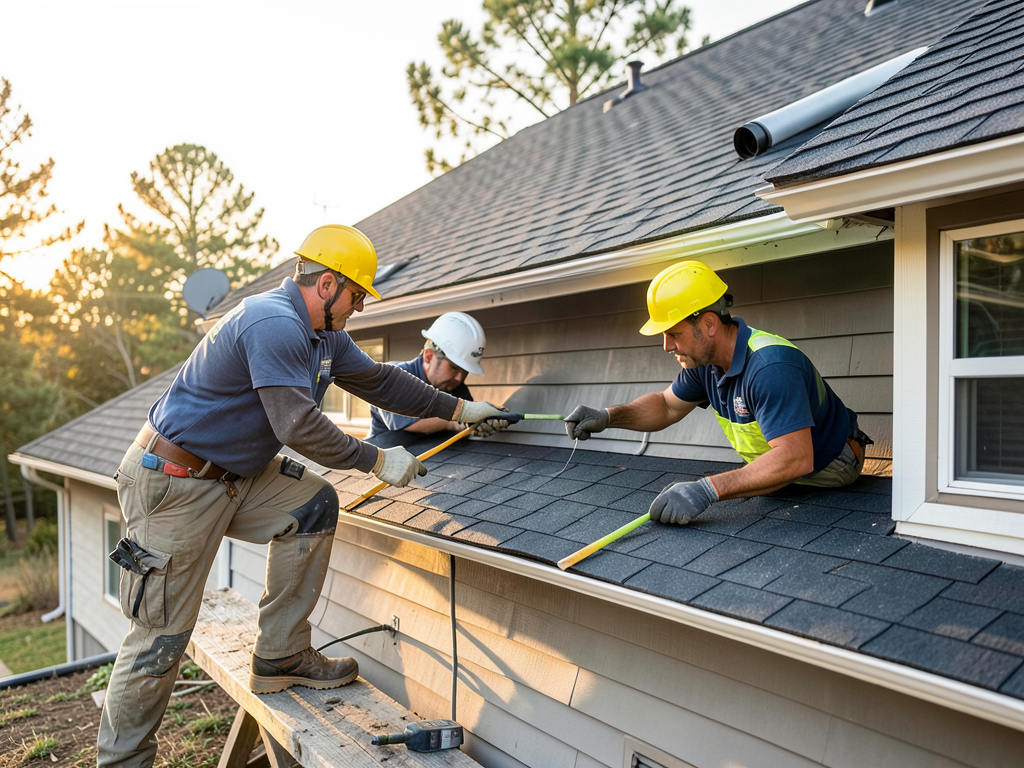
Scheduled roof inspections follow a detailed checklist specific to your roof type. For asphalt shingle roofs, we examine tabs for curling or cupping, check for exposed fasteners, inspect hip and ridge caps, and verify proper ventilation. For tile roofs, we check for cracked or displaced tiles, inspect underlayment at exposed areas, verify mortar integrity, and ensure proper tile engagement. For flat or low-slope commercial roofs, we inspect membrane seams, check for ponding water, examine penetration flashing, and verify drain functionality.

We prioritize maintenance actions based on risk. A small area of lifted shingles gets immediate attention because the next storm will tear them off completely. Sealant that shows early cracking gets scheduled for replacement before it fails. Gutters accumulating debris get cleaned before they overflow and damage fascia boards.

Documentation separates professional roof maintenance from casual inspections. You receive detailed reports with annotated photos, priority rankings for identified issues, and a maintenance schedule for the coming period. This creates accountability and proves the value of your roofing service agreement. You know exactly what was inspected, what was found, and what action we took or recommend.

What Happens During Your Maintenance Visit

Preventative Roof Maintenance Plans in Tampa – Protect Your Investment Before Problems Start
01

Complete Roof Assessment

We perform a thorough inspection of all roofing components, including shingles or tiles, flashing, penetrations, gutters, and underlayment at accessible areas. Each inspection follows a standardized checklist specific to your roof type and Tampa climate challenges. We document findings with photos and notes, establishing a condition baseline that tracks deterioration over time and identifies emerging problems before they cause damage.
02

Minor Repairs and Cleaning

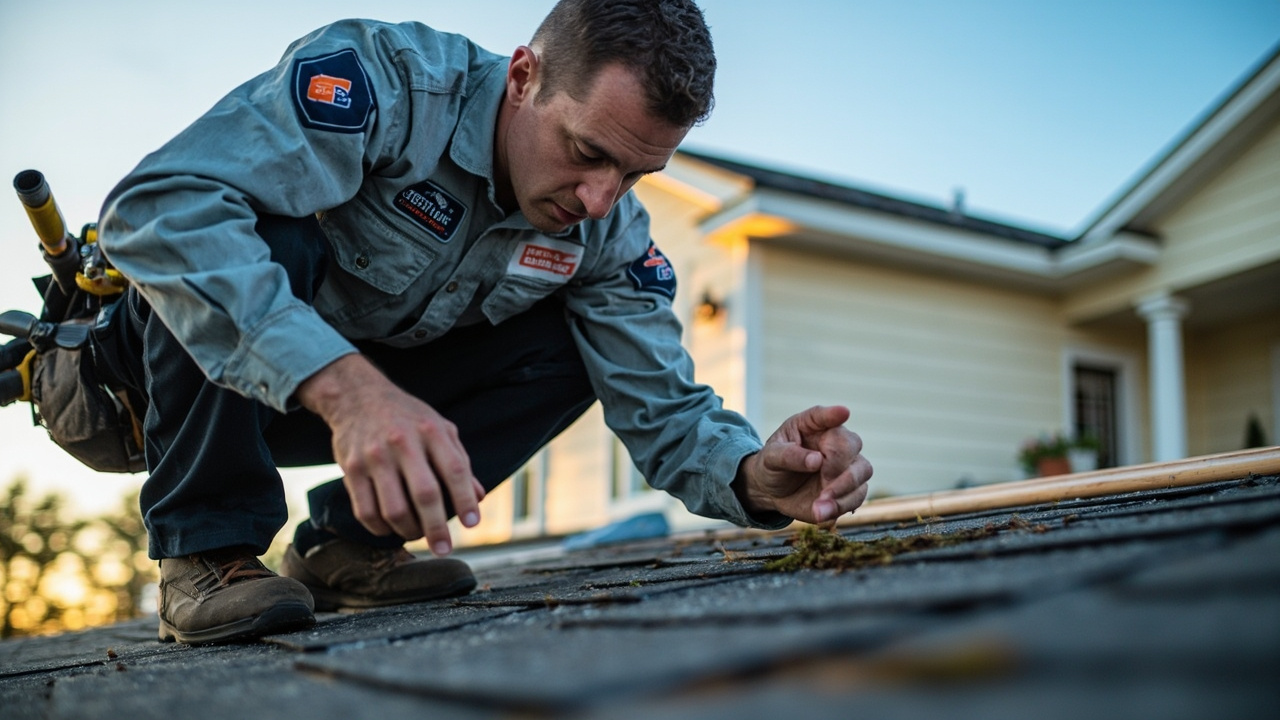
During the inspection, we address minor issues immediately. This includes resealing lifted shingles, clearing debris from valleys and gutters, removing vegetation growth, and tightening loose flashing. These small interventions prevent bigger problems. A resealed shingle today prevents a torn-off shingle tomorrow. Clean gutters prevent water backup and fascia rot. We handle these repairs as part of your maintenance agreement, not as surprise charges.
03

Detailed Report and Recommendations

You receive a comprehensive report documenting roof condition, completed maintenance actions, and recommendations for future work. Photos show exactly what we found and what we fixed. Priority rankings help you budget for upcoming needs. The report becomes part of your roof's service history, valuable for insurance claims, property sales, or tracking return on your maintenance investment. You know your roof's exact condition, not guesses.

Why Tampa Property Owners Trust Crestline Roofing Tampa

Tampa roofs face unique challenges that demand local expertise. Generic maintenance plans designed for moderate climates miss the critical failure points specific to subtropical conditions. We understand how Tampa's weather patterns stress roofing systems because we service them every day.

We know that afternoon thunderstorms create wind-driven rain that tests flashing integrity differently than gentle precipitation. We recognize the UV degradation patterns specific to southwest-facing roof planes in this latitude. We understand how the combination of heat and humidity accelerates sealant failure around penetrations. We identify the algae and moss species that colonize Tampa roofs and know which cleaning methods work without damaging shingles.

Our familiarity with local building codes and permitting requirements ensures maintenance work meets current standards. When we identify repairs that require permits, we handle the documentation. When we recommend upgrades to improve wind resistance, we specify solutions that comply with Florida Building Code requirements for your wind zone.

We service both residential and commercial properties throughout the greater Tampa metro. Our maintenance contracts scale from single-family homes to multi-building commercial facilities. We understand the different priorities for homeowners focused on protecting their investment versus property managers minimizing disruption to tenants.

Crestline Roofing Tampa maintains the equipment and training to service all common roof types in this market. We work on asphalt shingle roofs, concrete and clay tile systems, TPO and modified bitumen commercial roofs, and metal roofing. Our technicians receive ongoing training on new products and installation methods. We stay current with manufacturer specifications because improper maintenance voids warranties.

You work with a local team that understands Tampa roofs, not a national franchise reading from a script.

What Your Maintenance Plan Includes

Inspection Frequency and Scheduling

Most Tampa properties benefit from semi-annual inspections scheduled before and after hurricane season. This timing catches storm damage early and prepares your roof for severe weather. We schedule visits at your convenience and send reminders so you never miss a maintenance cycle. For commercial properties or roofs with known issues, we offer quarterly inspection schedules. You choose the frequency that matches your risk tolerance and budget. We maintain consistent scheduling so inspections happen on time, not when you remember to call.

Comprehensive Inspection Protocol

Every inspection follows a detailed checklist covering all roofing components. We examine shingle or tile condition, flashing integrity, penetration seals, gutter function, fascia and soffit condition, ventilation adequacy, and evidence of moisture intrusion. We check attic spaces for proper ventilation and signs of leaks. We inspect from the roof surface and from the ground using binoculars to spot issues without unnecessary roof traffic. Our technicians document findings with photos and detailed notes. You receive a written report after each visit, not vague verbal assurances.

Included Maintenance and Repairs

Your maintenance agreement includes minor repairs performed during the inspection visit. We reseal lifted shingles, clear debris from gutters and valleys, remove vegetation, tighten loose flashing, and reseal penetrations showing early sealant failure. These preventative actions stop small problems from becoming big ones. Major repairs like replacing damaged decking or extensive flashing replacement are quoted separately, but you know about them early when repair costs are lower. We prioritize transparency. You approve significant work before we proceed.

Documentation and Service History

We maintain a complete service history for your roof. Every inspection, repair, and recommendation gets documented with photos and detailed notes. This history proves valuable when filing insurance claims, selling your property, or planning roof replacement. You can demonstrate consistent maintenance, which some insurers reward with lower premiums. The documentation shows potential buyers that the roof received professional care. For commercial properties, the service records support asset management and capital planning. You access your roof's complete history anytime you need it.

Frequently Asked Questions

You Have Questions,
We Have Answers

What is a roof maintenance plan? +

A roof maintenance plan is a scheduled service agreement where a roofing professional inspects and maintains your roof at regular intervals. In Tampa, these plans address high humidity, tropical storms, and intense UV exposure that accelerate roof degradation. Plans include cleaning debris from valleys and gutters, inspecting flashing around chimneys and vents, checking for lifted shingles after summer storms, and identifying early signs of water intrusion. You receive documented reports after each visit. This proactive approach prevents small issues from becoming expensive repairs and extends your roof's lifespan in Florida's harsh climate.

What is the 10 rule of preventive maintenance? +

The 10 rule of preventive maintenance states that for every dollar you spend on preventive maintenance, you save ten dollars on reactive repairs. This applies directly to roofing in Tampa. A minor flashing repair costs $200. Ignored, it causes interior water damage costing $2,000 or more. Tampa's frequent afternoon thunderstorms exploit small weaknesses fast. Regular inspections catch missing granules, cracked sealant, and loose fasteners before they fail. The rule proves that scheduled maintenance is not an expense. It is cost avoidance that protects your investment.

What is a preventative maintenance plan? +

A preventative maintenance plan is a structured approach to protecting assets through scheduled inspections and minor repairs before failures occur. For Tampa roofs, this means addressing vulnerabilities created by salt air, wind-driven rain, and algae growth. Plans typically include biannual inspections timed around hurricane season, cleaning moss and debris that trap moisture, resealing penetrations, and replacing worn components. You avoid emergency repairs during storms when contractors are overwhelmed and prices surge. The plan creates a documented maintenance history that supports insurance claims and increases property value when you sell.

What maintenance should be done on a roof? +

Roof maintenance in Tampa should include cleaning gutters and downspouts to prevent water backup during heavy rains, removing debris from valleys where moisture collects, inspecting and resealing flashing around vents and chimneys, checking for lifted or damaged shingles after windstorms, trimming overhanging branches that scrape surfaces, treating algae and moss growth caused by humidity, inspecting attic ventilation to prevent heat buildup, and documenting the roof's condition with photos. These tasks address the specific threats Tampa roofs face: wind, water, heat, and biological growth that degrade materials faster than in northern climates.

What should a maintenance plan include? +

A maintenance plan should include a clear inspection schedule tied to seasonal threats, a detailed checklist covering all roof components, documentation of findings with photos and written reports, priority ranking of identified issues, cost estimates for recommended repairs, emergency contact protocols for storm damage, and a maintenance history log. For Tampa properties, plans must address hurricane preparedness, post-storm assessments, and moisture management. The plan should specify who performs the work, response times, and what is included versus excluded. Clear documentation protects you during insurance claims and proves proper care to future buyers.

Does homeowners insurance cover roof maintenance? +

Homeowners insurance does not cover routine roof maintenance. Insurers expect you to maintain your roof and only cover sudden, accidental damage from covered perils like wind, hail, or falling trees. In Tampa, where insurers scrutinize roof age and condition closely, documented maintenance becomes critical. If your roof fails due to neglect, the claim will be denied. However, regular maintenance reports prove you maintained the roof properly, which strengthens legitimate claims. Some policies require proof of maintenance for roofs over 15 years old. Maintenance is your responsibility, not your insurer's.

What are the 5 types of preventive maintenance? +

The five types of preventive maintenance are time-based (scheduled inspections every six months), usage-based (after a certain number of storm events), condition-based (triggered by visible wear indicators), predictive (using data to forecast failures), and prescriptive (automated systems that schedule maintenance). For Tampa roofs, time-based inspections before and after hurricane season work best. Condition-based triggers include visible algae growth or granule loss. Storm-based triggers apply after hurricanes or severe weather. Most residential plans combine time-based scheduling with condition monitoring to catch problems early while managing costs effectively.

What is a preventive maintenance checklist? +

A preventive maintenance checklist is a structured document that ensures inspectors examine every critical roof component consistently. For Tampa roofs, the checklist should cover shingle condition and granule loss, flashing integrity around chimneys and vents, sealant condition on penetrations, gutter and downspout function, valley debris accumulation, soffit and fascia condition, attic ventilation performance, signs of moisture intrusion or mold, tree damage or overhanging branches, and algae or moss growth. The checklist creates repeatable inspections, ensures nothing is missed, and provides comparable data over time to track deterioration rates and plan replacements.

What are the six requirements for preventive maintenance? +

The six requirements for preventive maintenance are clear objectives defining what you are protecting, a detailed asset inventory listing all roof components, defined maintenance tasks with specific procedures, a realistic schedule based on local climate stresses, assigned responsibilities specifying who performs each task, and performance tracking to measure effectiveness. In Tampa, objectives include extending roof life despite humidity and storms. The inventory includes shingles, underlayment, flashing, and ventilation. Tasks address biological growth and wind damage. The schedule aligns with hurricane season. Tracking shows if the plan reduces emergency repairs and extends replacement timelines.

How to create a preventive maintenance plan? +

To create a preventive maintenance plan, start by documenting your roof's current condition with a professional inspection. Identify components most vulnerable to Tampa's climate: flashing, valleys, and areas prone to algae. Establish an inspection frequency, typically twice yearly before and after storm season. Create a checklist covering all critical areas. Set a budget for minor repairs discovered during inspections. Choose a qualified roofing contractor familiar with Florida building codes and hurricane requirements. Document everything with photos and written reports. Review the plan annually and adjust based on your roof's age, performance, and any storm damage history.

How Tampa's Hurricane Risk Makes Preventative Maintenance Critical

Tampa sits in one of the most hurricane-prone regions in the United States. The National Hurricane Center tracks an average of 1.5 named storms per year within 50 nautical miles of the Tampa Bay area. Your roof represents the primary barrier protecting your property from wind-driven rain and debris impact. Small weaknesses that seem minor during calm weather become catastrophic failure points during hurricane-force winds. A lifted shingle that survived spring storms tears completely off during a hurricane, exposing underlayment to water intrusion. Loose flashing that leaked slightly during summer rains peels back during high winds, allowing gallons of water into wall cavities. Preventative roof maintenance identifies and fixes these vulnerabilities before storm season arrives. You face each hurricane season knowing your roof is secure, not wondering if small problems will become big disasters.

Tampa building codes require specific wind resistance standards based on our location in the High Velocity Hurricane Zone. Roofing installations must meet strict fastener patterns, flashing details, and material specifications. However, these standards only apply to new installations or major replacements. Existing roofs built under older codes may not meet current wind resistance requirements. Professional roof maintenance programs identify code compliance gaps and recommend upgrades that improve storm performance. Contractors familiar with local building codes and permitting processes ensure repairs meet current standards. This local expertise matters during insurance claims when adjusters question whether damage resulted from poor maintenance or storm forces. Documentation from regular professional inspections proves you maintained the roof properly and helps secure fair claim settlements.
Roofing Services in The Tampa Area

We are proud to serve the entire area, providing exceptional roofing services to homeowners and businesses. While we travel directly to your location, you can view our main office on the map to get a sense of our central hub. Our local presence ensures we can respond quickly to your needs and provide the personalized service you deserve. We're always nearby, ready to help with your next roofing project.

Address:
Crestline Roofing Tampa, 2144 W Main St, Tampa, FL, 33607

Additional Services We Offer

Our news updates

Latest Articles & News from The Blogs

During Tampa’s summer monsoon season, standard gutter screens clog and overflow within minutes of heavy rain. Carrollwood’s mature oak canopy…

Why Standard Gutter Screens Often Fail During Heavy Summer Downpours in Carrollwood

During Tampa’s summer monsoon season, standard gutter screens clog and overflow within minutes of heavy rain. Carrollwood’s mature oak canopy…

What Tampa Homeowners Should Know Before Installing Integrated Solar Shingles

What Tampa Homeowners Should Know Before Installing Integrated Solar Shingles \n\n Solar shingles offer Tampa homeowners a sleek, durable way…

Managing the Transition from Pitched to Flat Roofs on Your South Tampa Addition

Managing the Transition from Pitched to Flat Roofs on Your South Tampa Addition Your roof transition creates the most vulnerable…

Contact Us

Stop waiting for problems to find you. Call (656) 245-0955 now to schedule your comprehensive roof assessment and learn how a preventative maintenance plan protects your Tampa property. Your roof works hard in this climate. Give it the professional care it deserves.