menu

Rotting Fascia Boards in Tampa – Expert Diagnosis and Permanent Wood Rot Solutions

Stop water damaged fascia from destroying your roofline. Our certified inspectors identify hidden wood rot on fascia and decaying fascia wood before it compromises your home's structure and drives up repair bills.

Slider Image 1
Slider Image 2
Slider Image 3
Slider Image 4
Slider Image 5
Slider Image 7
Slider Image 8
Slider Image 9
Slider Image 10
Slider Image 11

Why Tampa's Climate Accelerates Fascia Board Rot

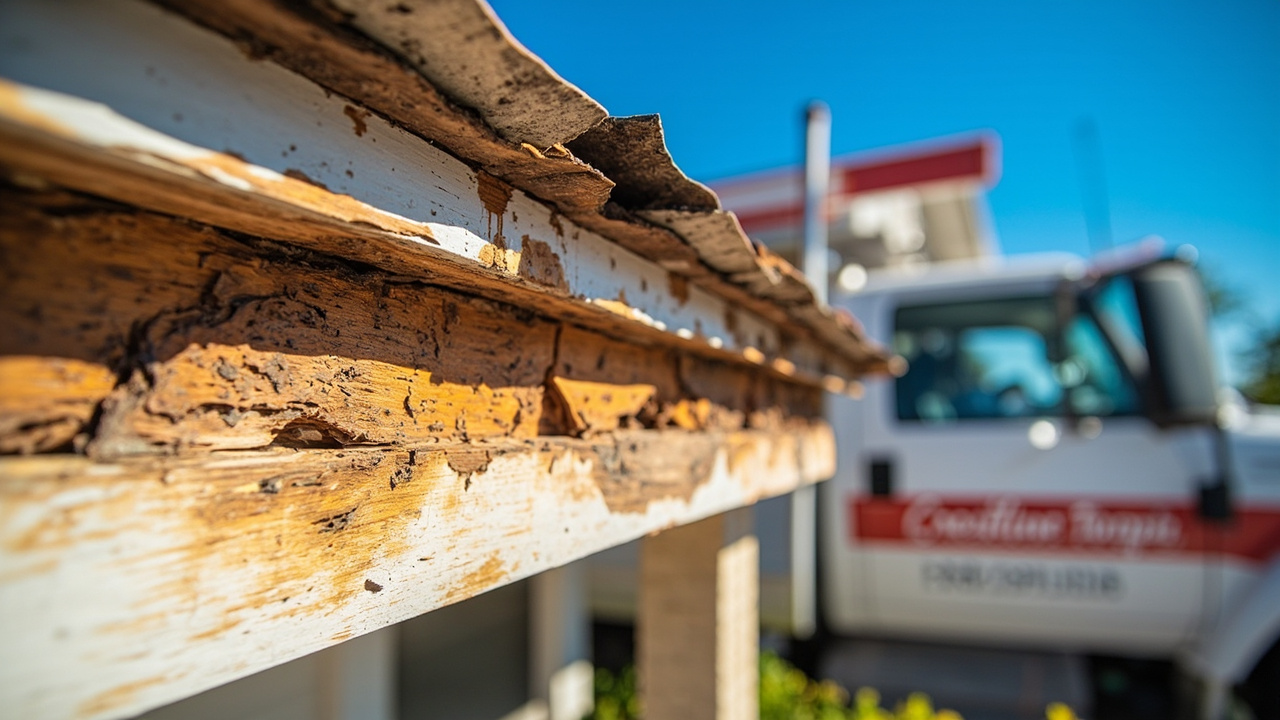
You noticed the paint peeling near your gutters. Maybe you spotted a soft spot when you touched the trim. That rotted roof trim is not cosmetic. It is structural failure in progress.

Tampa's combination of high humidity, frequent afternoon thunderstorms, and year-round heat creates the perfect environment for wood rot on fascia. When moisture gets trapped behind gutters or under shingles, the fascia board becomes a sponge. The subtropical climate means the wood never fully dries out between rain events. Add in the salt air from Tampa Bay, and you have accelerated decay.

Fascia board rot typically starts where water overflows from clogged gutters or where drip edge flashing was installed incorrectly. You might see decaying fascia wood near downspouts or at corners where two rooflines meet. The wood turns dark, feels spongy when pressed, or shows visible cracks and splits.

Many Tampa homes built in the 1980s and 1990s used pine fascia boards. Pine is affordable but not rot-resistant. Without proper sealing and maintenance, these boards fail within 15 to 20 years. Newer construction sometimes uses composite materials, but even these can fail if water infiltration is not addressed at the source.

The real danger is not the fascia itself. Water damaged fascia means water is reaching the rafter tails behind the board. Once the structural wood frame starts rotting, you are looking at exponential damage. The fascia board is your first line of defense. When it fails, everything behind it is at risk.

Why Tampa's Climate Accelerates Fascia Board Rot
How We Fix Rotting Fascia Boards the Right Way

How We Fix Rotting Fascia Boards the Right Way

Most contractors will replace the visible rotted roof trim and call it done. That approach ignores the reason the fascia rotted in the first place. We treat the cause, not just the symptom.

Our process starts with a full roof edge inspection. We check the drip edge flashing, the gutter attachment points, and the shingle overhang. We probe the fascia board with a moisture meter and awl to identify soft spots that are not visible yet. Many times, the rot extends six to twelve inches beyond what you can see with your eyes.

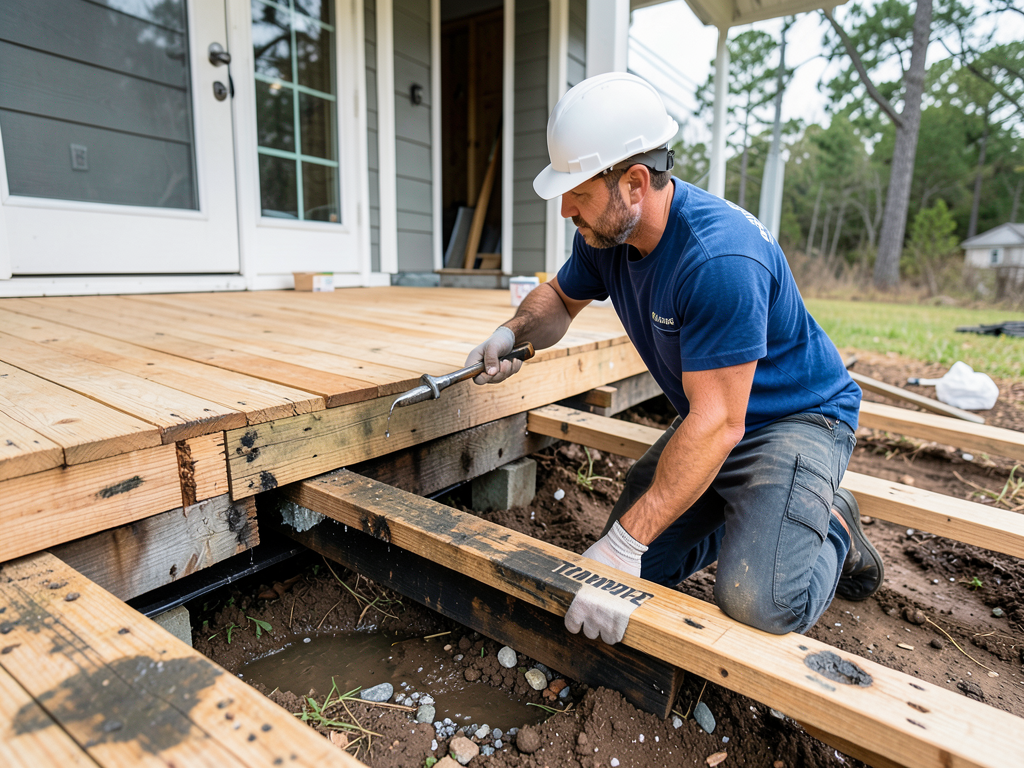
Once we map the damage, we remove all compromised wood. That includes the fascia board and any rafter tails that show decay. We do not patch over rot. We cut it out completely. Then we treat the exposed wood frame with a borate solution to kill any remaining fungal spores and prevent future growth.

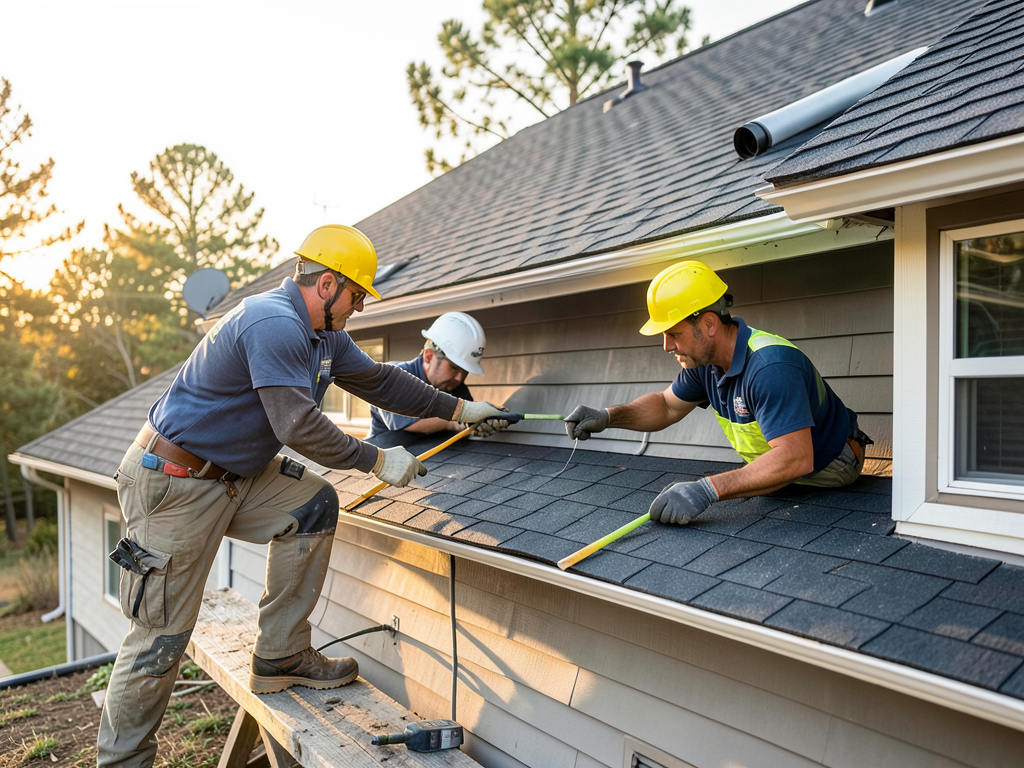
We install new fascia using either rot-resistant lumber like cedar or a composite material engineered for Florida's climate. The new board is sealed on all six sides before installation. We reset the drip edge flashing to create a proper water barrier, then rehang the gutters with the correct pitch and spacing.

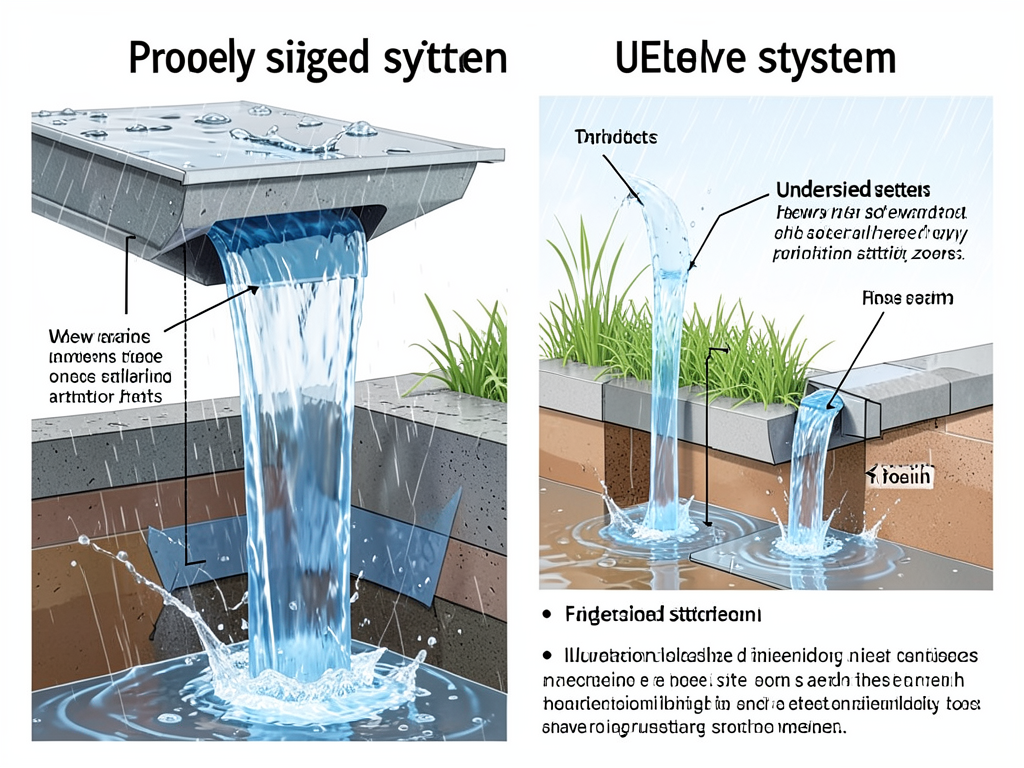
The difference between our work and a cosmetic fix is longevity. When we replace water damaged fascia, we address the water management system that failed. That means adjusting gutter placement, adding splash guards where needed, and confirming the roof edge shingles extend far enough to direct water into the gutter trough instead of behind the fascia.

You get a solution that lasts 20-plus years, not two.

What Happens During Your Fascia Board Repair

Rotting Fascia Boards in Tampa – Expert Diagnosis and Permanent Wood Rot Solutions
01

Roof Edge Inspection

We start with a ladder inspection of your entire roofline. Our technician probes suspect areas with an awl to test wood density and uses a moisture meter to detect hidden water intrusion. We document all rot locations, photograph the damage, and trace the water source. You get a written report with photos before any work begins, so you know exactly what failed and why.
02

Tear-Out and Treatment

We remove all decaying fascia wood and inspect the rafter tails behind it. Any compromised structural lumber gets cut back to solid wood. We treat all exposed framing with a borate-based wood preservative that penetrates deep into the grain. This step kills active fungal rot and creates a chemical barrier that prevents reinfestation. The treatment dries in 24 hours before we proceed with new material installation.
03

Installation and Waterproofing

New fascia boards are pre-sealed on all surfaces, then secured with corrosion-resistant fasteners. We install new drip edge flashing over the board to create a proper watershed. Gutters are reattached with the correct slope and spacing. We seal all seams and joints with polyurethane caulk rated for exterior use. The final step is a primer and two coats of exterior paint to match your trim, giving you a finished look that protects the wood for decades.

Why Tampa Homeowners Trust Crestline Roofing Tampa for Fascia Repairs

Fascia board rot is not a cosmetic issue. It is a structural vulnerability that exposes your home to water damage, pest infiltration, and compromised roof integrity. You need a contractor who understands how Tampa's climate accelerates decay and knows how to build lasting water barriers.

We have repaired fascia boards on hundreds of Tampa homes, from Seminole Heights bungalows to Westchase subdivisions. We know the common failure points in Florida construction. We know that many older homes have inadequate drip edge or no drip edge at all. We know that builder-grade pine fascia fails faster in our humidity than in drier climates. That local knowledge means we anticipate problems before they become emergencies.

Our crews are trained in proper flashing techniques and water management principles. We do not just replace boards. We redesign the roof edge system to prevent the conditions that caused the rot. That means adjusting gutter hangers, adding kick-out flashing where roof planes intersect walls, and confirming shingle overhang meets Florida Building Code specifications.

We also understand Tampa's wind load requirements. When we secure new fascia and gutters, we use fasteners and spacing that can handle the wind pressures common during summer thunderstorms and tropical systems. A fascia board that pulls away from the house during a storm can cause thousands in additional damage.

You also get transparency. We document the rot with photos and explain the repair in plain language. We give you material options and explain the cost difference between cedar, composite, and pressure-treated lumber. You make the final call on what gets installed on your home.

Crestline Roofing Tampa is not the cheapest option. We are the correct option. You pay once for a repair that addresses the root cause and lasts decades.

What to Expect When You Call Us for Rotting Fascia Boards

Response Time and Scheduling

We schedule most inspections within 48 hours of your call. If you have active water intrusion or a fascia board that has detached from the roofline, we can move faster. Our inspection takes 30 to 45 minutes. You get a written estimate the same day or within 24 hours. Once you approve the scope of work, we typically start repairs within one week, depending on material availability and weather. Most fascia repairs take one to three days, depending on the extent of rot and whether rafter tail replacement is needed.

The Inspection Process

Our technician inspects the entire roofline, not just the area you identified. Fascia board rot often spreads beyond the visible damage. We probe the wood with an awl to test firmness and use a moisture meter to detect water intrusion. We check the condition of the drip edge flashing, gutter attachment, and shingle overhang. We take photos of all problem areas. You get a detailed report that explains what failed, why it failed, and what needs to be replaced. We explain your material options and give you a firm price before any work starts.

The Final Result

You get fascia boards that are properly sealed, structurally sound, and protected by correctly installed flashing. The new boards match your existing trim color and profile. Gutters are rehung with the correct pitch to prevent overflow. All seams are caulked and sealed. The wood is treated to resist future rot. You get a clean job site with all debris removed and hauled away. The repair blends seamlessly with your existing roofline. Most clients cannot tell where the old fascia ended and the new fascia began. The difference is in the longevity and water management, not the aesthetics.

Ongoing Maintenance Recommendations

We recommend annual inspections of your roof edge, especially after hurricane season. Check for peeling paint, soft spots, or water stains on the fascia. Keep gutters clean to prevent overflow. Trim tree branches that hang over the roofline to reduce moisture and debris buildup. If you notice any signs of water intrusion, call us immediately. Catching rot early saves thousands in repair costs. We offer maintenance plans for clients who want scheduled inspections and gutter cleaning. Proactive care extends the life of your fascia and prevents the costly rafter tail damage that comes from neglected rot.

Frequently Asked Questions

You Have Questions,
We Have Answers

Why is my fascia board rotting? +

Your fascia board rots because Tampa's humidity and heavy rainfall create perfect conditions for moisture infiltration. Clogged gutters overflow and trap water against the wood. Poor attic ventilation causes condensation to seep from behind. Damaged shingles allow rain to run down the roofline and soak into exposed wood. Missing drip edge lets water wrap around the roof edge directly onto fascia. In Tampa's subtropical climate, wood stays wet longer and fungi thrive. Older homes with untreated pine fascia are especially vulnerable. Once moisture penetrates the wood grain, decay spreads quickly.

How much does it cost to replace a rotted fascia board? +

Replacement costs vary based on extent of damage, fascia material, and roof height. Most Tampa homeowners face different price points depending on linear footage and access difficulty. A single-story home with limited damage runs less than a two-story or tile roof replacement. Material choice impacts cost. PVC or composite fascia costs more upfront than pine but resists Tampa's humidity better. Labor accounts for significant expense because roofers must remove gutters, examine rafter tails for damage, and ensure proper flashing installation. Multiple damaged sections increase total investment. Get a detailed inspection before committing.

How to fix wood rot on fascia? +

Remove the damaged section completely. Rotted wood cannot be saved. Cut back to solid wood using a reciprocating saw. Inspect rafter tails behind the fascia for water damage or rot. Treat any questionable wood with borate preservative. Cut replacement fascia to length using pressure-treated or rot-resistant material. Prime all cut edges before installation. Secure new fascia to rafter tails with galvanized nails or screws. Install drip edge properly to direct water away. Paint or seal exposed wood immediately. In Tampa's climate, exposed untreated wood deteriorates fast. Address the moisture source or rot returns.

Does homeowners insurance cover fascia damage? +

Coverage depends on what caused the damage. Insurance typically covers fascia damage from sudden events like hurricanes or storm winds common to Tampa. If a fallen tree branch damages your fascia, you likely have coverage. Gradual deterioration from poor maintenance gets denied. Most policies exclude rot caused by neglected gutters or deferred repairs. Insurance adjusters look for the proximate cause. Document storm damage with photos immediately. Review your policy's exclusions carefully. Water damage from a covered roof leak may extend to fascia replacement. Maintenance-related rot remains your responsibility.

What is the life expectancy of a fascia board? +

Pressure-treated pine fascia lasts 15 to 20 years in Tampa if properly maintained. Cedar or redwood extends to 20 to 25 years. PVC and composite fascia boards can last 50 years or more because they resist moisture and insects. Tampa's high humidity and intense UV exposure shorten wood lifespan compared to drier climates. Proper installation with drip edge and adequate ventilation adds years. Regular gutter maintenance prevents premature failure. Unpainted or poorly sealed wood deteriorates faster. Homes near the coast face salt air exposure that accelerates decay. Annual inspections catch problems early.

Does home insurance cover rotted wood? +

Rarely. Standard homeowners policies exclude damage from neglect, wear, or lack of maintenance. Rotted wood falls into this category unless you can prove a covered peril caused it. If a documented roof leak from storm damage led to wood rot, you may have partial coverage. Insurers require proof the rot resulted from a sudden, accidental event. Gradual deterioration from Tampa's humidity does not qualify. Some policies cover rot if hidden behind walls and discovered during covered loss repairs. Read your policy's specific language on wood rot and deterioration. Maintenance remains your obligation.

What are the signs I need to replace my fascia? +

Look for visible sagging along the roofline where fascia should run straight. Peeling paint signals moisture problems underneath. Soft spots when you press the board indicate internal decay. Water stains or dark streaks show active moisture intrusion. Gaps between fascia and soffit let you see rafter tails. Pest holes from carpenter bees or evidence of termite activity mean structural compromise. Gutters pulling away from the house often attach to rotted fascia that cannot hold fasteners. Mold or mildew growth on the surface confirms persistent dampness. Check after Tampa's heavy summer rains for new damage.

Do you need scaffolding to replace fascia? +

It depends on roof height and home design. Single-story homes with low eaves allow replacement from ladders in most cases. Two-story homes or steep roof pitches require scaffolding for safety and proper access. Tampa building codes mandate fall protection for work above certain heights. Scaffolding provides stable platforms for removing gutters, cutting damaged sections, and installing new fascia properly. Tile roofs increase fall risk and often require scaffolding regardless of height. Professional roofers factor scaffolding costs into estimates. Attempting fascia work without proper access equipment creates serious injury risk and poor installation quality.

Why are fascias so expensive? +

Fascia replacement costs more than expected because of labor intensity and hidden damage. Roofers must remove gutters carefully to avoid damage. They inspect rafter tails and roof decking for rot that spreads beyond visible fascia damage. Proper installation requires precise cuts, waterproofing, and integration with existing drip edge and shingles. Working at height increases labor costs and liability. Material expenses add up across linear footage. In Tampa, roofers often discover additional water damage once they remove rotted fascia. Quality materials resist future rot better but cost more upfront. Scaffolding rental for two-story homes increases total expense.

Does wood rot always mean termites? +

No. Wood rot and termite damage are separate problems that sometimes occur together. Rot comes from fungal decay when wood stays wet. Tampa's humidity creates ideal conditions for fungi without any insect involvement. Termites eat wood for cellulose and prefer damp wood because it softens easier. You can have severe rot with zero termite activity. Conversely, termites infest dry wood in some cases. If you see rot, inspect for termite tubes, frass, or hollow-sounding wood. Both problems require different treatments. Address moisture sources to stop rot. Call a pest control company for confirmed termite activity.

How Tampa's Humidity and Salt Air Accelerate Fascia Decay

Tampa sits on a peninsula surrounded by water. The Gulf of Mexico and Tampa Bay create constant humidity levels above 70 percent, even in winter. Salt-laden air from the bay accelerates corrosion of metal fasteners and breaks down wood fibers faster than in inland climates. When gutters overflow during Florida's afternoon thunderstorms, that water sits on fascia boards in an environment where wood never fully dries. The combination of salt, heat, and moisture creates ideal conditions for fungal rot. Homes near Bayshore Boulevard or in South Tampa face even faster decay due to direct salt air exposure.

Tampa's building codes have evolved significantly since the 1992 Hurricane Andrew reforms. Older homes often lack proper drip edge flashing or have undersized gutters that cannot handle Florida's intense rainfall rates. We work with clients throughout Tampa, from historic Hyde Park homes to newer construction in New Tampa. Our crews understand the local code requirements for wind load, flashing installation, and water management. We pull permits when required and coordinate inspections. Choosing a local contractor means you get someone who understands Tampa's unique climate challenges and builds accordingly. That local knowledge is the difference between a repair that lasts two years and one that lasts twenty.
Roofing Services in The Tampa Area

We are proud to serve the entire area, providing exceptional roofing services to homeowners and businesses. While we travel directly to your location, you can view our main office on the map to get a sense of our central hub. Our local presence ensures we can respond quickly to your needs and provide the personalized service you deserve. We're always nearby, ready to help with your next roofing project.

Address:
Crestline Roofing Tampa, 2144 W Main St, Tampa, FL, 33607

Additional Services We Offer

Our news updates

Latest Articles & News from The Blogs

What to Do When Your Roofing Contractor Disappears Before the Job is Done Your roofer vanished mid-project and now your…

What to Do When Your Roofing Contractor Disappears Before the Job is Done

What to Do When Your Roofing Contractor Disappears Before the Job is Done Your roofer vanished mid-project and now your…

How the Florida Heat Impacts the Installation Process of Your Pebble Creek Roof

Florida’s summer heat transforms every roofing project in Pebble Creek into a carefully choreographed operation. Asphalt shingles soften at temperatures…

Why Your Gutters Are Overwhelming Your Foundation Even When They Aren't Clogged

Why Your Gutters Are Overwhelming Your Foundation Even When They Aren't Clogged Heavy rain pounds Tampa rooftops during summer afternoons,…

Contact Us

Water damaged fascia does not fix itself. Every rain event makes it worse. Call (656) 245-0955 now to schedule your inspection. We will identify all hidden rot, explain your repair options, and give you a firm price before any work starts. You get honest answers and permanent solutions.