
The Pros and Cons of Standing Seam Metal Roofs for Modern Homes in Hyde Park
Standing seam metal roofs offer modern homeowners in Hyde Park a sleek, durable alternative to traditional roofing materials. These systems feature concealed fasteners and raised seams that create clean vertical lines while providing exceptional protection against Tampa’s harsh weather conditions. The metal panels lock together to form a weathertight barrier that can withstand wind speeds exceeding 140 miles per hour, making them particularly valuable in Florida’s hurricane-prone environment. Florida Building Code Information.
Despite their premium price point, standing seam metal roofs deliver significant long-term value through their 50+ year lifespan, energy efficiency, and minimal maintenance requirements. The reflective coatings available on modern metal roofing can reduce cooling costs by up to 40% during Tampa’s scorching summers. However, homeowners must weigh these benefits against the higher upfront investment and consider factors like neighborhood aesthetics, local building codes, and the specific challenges of installing metal roofing on historic homes common in Hyde Park. Choosing the Best Roofing Contractor for Your Westchase Home.
What is Standing Seam Metal Roofing?
Standing seam metal roofing consists of vertical metal panels that run from the ridge to the eave of the roof. The key distinguishing feature is the raised seams that connect adjacent panels, typically standing 1 to 2 inches above the flat surface. These seams conceal the fasteners that secure the panels to the roof deck, creating a smooth, contemporary appearance. Roofing Dunedin.
The concealed fastener system offers superior weather resistance compared to exposed fastener systems. Without exposed screws that can work loose over time, standing seam roofs maintain their integrity through thermal expansion and contraction cycles. The panels are typically made from steel, aluminum, or copper, with steel being the most common due to its balance of strength and cost-effectiveness.
Modern standing seam systems utilize snap-lock or mechanical seam profiles. Snap-lock systems allow panels to connect without specialized tools, while mechanical seams require a hand or power seamer to create the watertight connection. Both systems meet Florida Building Code requirements for High Velocity Hurricane Zones when properly installed with the correct underlayment and fastening patterns.
Top 5 Benefits for Florida Homeowners
Florida’s unique climate creates specific challenges that standing seam metal roofs address exceptionally well. The combination of intense UV radiation, salt air, heavy rainfall, and hurricane-force winds demands roofing materials that can perform under extreme conditions.. Read more about The Best Roofing Materials for Withstanding Salty Air Near MacDill Air Force Base.
Hurricane Resistance and Wind Uplift Ratings
Standing seam metal roofs achieve the highest wind uplift ratings available for residential roofing. The Florida Building Code requires roofing systems in coastal areas to withstand uplift pressures of up to 209 pounds per square foot. Metal roofing systems, when installed with the proper clip spacing and underlayment, can exceed these requirements by 30-40%.
The interlocking panel design creates a monolithic surface that wind cannot penetrate. Unlike shingles that can be lifted by strong gusts, metal panels remain firmly attached to the roof structure. The concealed fastener system eliminates the weak points where wind can get underneath traditional roofing materials.
Superior Water Shedding (Critical for Tampa’s Summer Storms)
Tampa experiences some of the heaviest rainfall in the continental United States, with summer thunderstorms dumping several inches of rain in short periods. Standing seam roofs excel at rapid water shedding due to their smooth surface and steep profile. Water flows quickly off the roof without ponding or seeping under panels.. Read more about How to Finance a New Roof in Tampa (Comparing Your Payment Options for 2026).
The vertical orientation of the seams prevents water from penetrating the roof system. Even during wind-driven rain common in tropical storms, the raised seams create channels that direct water down the roof rather than allowing it to work its way underneath. This superior water management protects the home’s structure and prevents the water damage that often leads to costly repairs.
Energy Efficiency and Tax Credits (SRI – Solar Reflective Index)
Standing seam metal roofs with cool roof coatings can achieve Solar Reflective Index ratings above 80, significantly reducing heat absorption. The Energy Star program recognizes metal roofing with appropriate pigments as an energy-efficient building material. Homes with these roofs can see cooling cost reductions of 20-40% during Tampa’s hot months.
The Florida Energy Efficiency Code encourages the use of cool roofing materials in new construction and major renovations. Homeowners may qualify for federal tax credits when installing Energy Star certified metal roofing systems. These credits, combined with reduced energy bills, can offset a significant portion of the initial investment over time.
Longevity and Maintenance-Free Living
While traditional asphalt shingles typically last 15-20 years in Florida’s climate, standing seam metal roofs can easily exceed 50 years with minimal maintenance. The inert nature of metal means it doesn’t degrade from UV exposure, doesn’t support algae growth, and resists the thermal cycling that breaks down other materials.
Florida’s humidity and frequent storms create perfect conditions for algae and moss growth on traditional roofing. Metal surfaces remain clean and free of biological growth, maintaining their appearance without the need for pressure washing or chemical treatments. The only maintenance typically required is occasional inspection of the sealant at penetrations and cleaning of debris from valleys.
Enhanced Curb Appeal and Property Value
Standing seam metal roofing provides a distinctive, modern aesthetic that complements contemporary architecture while offering a striking contrast to traditional homes. The clean lines and uniform appearance create visual interest that enhances a home’s architectural character. Available in numerous colors and finishes, metal roofing can be customized to match any design vision.
Beyond aesthetics, metal roofing can increase property value by 1-6% according to national real estate studies. In Tampa’s competitive housing market, this premium can translate to tens of thousands of dollars in added value. The durability and energy efficiency also appeal to environmentally conscious buyers, potentially shortening time on market.. Read more about Considering Synthetic Slate for Your Custom Build in Culbreath Isles.
Standing Seam vs. Asphalt Shingles: A Tampa Comparison
Understanding the differences between standing seam metal and traditional asphalt shingles helps homeowners make informed decisions. Each material has distinct advantages depending on budget, aesthetic preferences, and long-term goals.
| Feature | Standing Seam Metal | Asphalt Shingles |
|---|---|---|
| Lifespan | 50+ years | 15-20 years |
| Wind Rating | 140+ MPH | 60-130 MPH |
| Energy Efficiency | High (20-40% cooling savings) | Low (absorbs heat) |
| Maintenance | Minimal | Regular cleaning, repairs |
| Initial Cost | $12-20 per sq ft | $3-5 per sq ft |
| Insurance Premiums | Up to 35% discount | Standard rates |
The higher initial cost of standing seam metal roofing often concerns homeowners, but the lifecycle cost analysis tells a different story. Over a 50-year period, the total cost of ownership for metal roofing can be lower than repeatedly replacing asphalt shingles. The energy savings alone can pay for the premium within 10-15 years in Florida’s climate.
Material Matters: Aluminum vs. Steel in Coastal Environments
Choosing the right metal substrate is crucial for homes in Tampa’s coastal areas. The proximity to saltwater creates unique corrosion challenges that affect the longevity and performance of metal roofing systems.
Aluminum for Salt-Air Protection
Aluminum offers superior corrosion resistance in coastal environments due to its natural oxide layer that forms when exposed to air. This protective coating prevents further oxidation and makes aluminum virtually immune to salt spray corrosion. For homes within 1,500 feet of Tampa Bay or the Gulf of Mexico, aluminum is often the preferred choice despite its higher cost.
The weight advantage of aluminum also benefits older homes common in Hyde Park. At approximately 40% lighter than steel, aluminum reduces structural load on aging roof decks. This can be particularly important for historic homes where maintaining the original structure is a priority. Preserving the Historic Charm of Seminole Heights Roofs During a Replacement.
Galvalume Steel for Inland Applications
Galvalume steel, coated with a zinc-aluminum alloy, provides excellent corrosion resistance for homes located further inland. The coating offers approximately 2-4 times the corrosion resistance of traditional galvanized steel. For properties in areas like South Tampa or Brandon, where salt exposure is minimal, Galvalume provides an excellent balance of durability and cost-effectiveness.
The hardness of steel also provides superior impact resistance compared to aluminum. In areas prone to falling branches or hail, steel’s greater durability can prevent the denting that sometimes occurs with aluminum panels. The choice between materials should consider both location and specific environmental factors.
The Installation Process and ROI
Installing standing seam metal roofing requires specialized skills and equipment that differ significantly from traditional roofing methods. The process typically takes 2-3 weeks for an average home, compared to 1-2 weeks for asphalt shingles.
Professional Installation Requirements
Metal roofing installation demands specific expertise in panel layout, seam formation, and flashing details. The roof deck must be in excellent condition, as any imperfections will telegraph through the metal surface. Underlayment requirements are more stringent, typically requiring high-temperature synthetic materials rather than traditional felt.
The installation process includes careful planning for thermal movement. Metal expands and contracts significantly with temperature changes, requiring specific clip spacing and floating clip systems to accommodate this movement. Improper installation can lead to oil canning, seam separation, or fastener failure over time.
Financial Breakdown and Return on Investment
The initial investment for standing seam metal roofing typically ranges from $15,000 to $35,000 for an average home, depending on size, material choice, and complexity. This represents a 2-3 times higher upfront cost compared to asphalt shingles. However, several factors improve the long-term financial picture.
Insurance companies often provide premium discounts of 20-35% for homes with impact-resistant metal roofing. These savings can amount to $200-500 annually. Energy efficiency improvements provide additional savings of $300-600 per year in cooling costs. When combined with the extended lifespan, these factors can return the initial investment within 15-20 years. Navigating Roof Insurance Claims After a Storm in Tampa.
Common Concerns and Misconceptions
Many homeowners hesitate to choose standing seam metal roofing due to misconceptions about noise, cost, or neighborhood compatibility. Understanding the reality behind these concerns helps make informed decisions.
Noise Concerns Addressed
The belief that metal roofs are noisy during rain is largely outdated. Modern installation includes solid roof decking and attic insulation that significantly reduces sound transmission. Studies show that properly installed metal roofs are no louder than asphalt shingles during rainfall. In fact, the solid surface can actually reduce noise from wind and hail compared to traditional materials.
Neighborhood Aesthetic Considerations
Some homeowners worry that metal roofing might clash with neighborhood aesthetics, particularly in historic districts like Hyde Park. However, standing seam metal is available in numerous colors and finishes that can complement various architectural styles. Darker colors and matte finishes can create a more traditional appearance, while still providing the benefits of metal roofing.
Lightning and Heat Myths
Metal roofing does not increase the likelihood of lightning strikes. Lightning seeks the highest point regardless of material, and homes with metal roofs are no more likely to be struck than those with other materials. Additionally, the electrical conductivity of metal actually helps dissipate electrical charges safely to the ground.
Regarding heat, the reflective properties of metal roofing actually reduce heat absorption compared to dark asphalt shingles. The air space between the metal and roof deck creates a thermal barrier that further improves energy efficiency. Modern cool roof coatings enhance these benefits, making metal roofing cooler than many traditional options.
Local Building Code Requirements
Tampa and Hillsborough County enforce strict building codes for roofing materials, particularly in High Velocity Hurricane Zones. The Florida Building Code requires roofing systems to meet specific wind uplift ratings based on location and building height.
For standing seam metal roofing, the code requires specific fastening patterns, underlayment types, and wind resistance ratings. In coastal areas, Class H underlayment (high-temperature synthetic) is mandatory. The code also specifies requirements for edge metal, valley flashing, and penetration flashing to ensure the entire roofing system meets hurricane resistance standards.
Maintenance and Longevity Tips
While standing seam metal roofs require minimal maintenance, following specific guidelines can maximize their lifespan and performance. Annual inspections should check for loose fasteners, sealant integrity, and debris accumulation in valleys and around penetrations.
Cleaning the roof surface every 2-3 years helps maintain its appearance and prevents the buildup of debris that can trap moisture. Using appropriate cleaning methods is crucial; pressure washing can damage protective coatings, while gentle cleaning with appropriate solutions preserves the finish.
Making the Right Choice for Your Hyde Park Home
Deciding whether standing seam metal roofing is right for your home involves balancing multiple factors. Consider your long-term plans for the property, your budget for both initial investment and long-term maintenance, and the specific environmental conditions your home faces.
For many Hyde Park homeowners, the combination of hurricane resistance, energy efficiency, and modern aesthetics makes standing seam metal an excellent choice. The material’s durability means fewer concerns about storm damage and reduced maintenance over the decades of ownership. However, the higher upfront cost requires careful financial planning and consideration of available financing options.
Frequently Asked Questions
How long does a standing seam metal roof last in Tampa’s climate?
A properly installed standing seam metal roof typically lasts 50+ years in Tampa’s climate. The metal’s resistance to UV radiation, salt air, and thermal cycling far exceeds traditional materials. Many manufacturers offer warranties of 30-50 years on their premium systems.
Can standing seam metal roofing be installed over existing shingles?
Yes, in many cases standing seam metal can be installed over existing asphalt shingles, provided the roof structure can support the additional weight and local codes permit this approach. This can reduce installation costs by eliminating tear-off expenses, but a professional inspection is necessary to determine if this option is suitable for your specific home.
Does metal roofing affect cell phone reception inside the home?
Modern metal roofing has minimal impact on cell phone reception. The small percentage of signal blockage is typically negligible, especially when compared to other factors like trees, nearby buildings, or the phone’s own antenna quality. Most homeowners report no noticeable difference in reception after installing metal roofing.
What colors are available for standing seam metal roofing?
Standing seam metal roofing comes in a wide range of colors from traditional earth tones to bold contemporary hues. Most manufacturers offer 20-30 standard colors plus custom color matching. Popular choices in Tampa include lighter colors that reflect heat, such as sandstone, pewter, and various shades of gray and tan.
How does standing seam metal roofing perform during hurricanes?
Standing seam metal roofing performs exceptionally well during hurricanes when properly installed. The interlocking panel design and concealed fasteners create a monolithic surface that wind cannot penetrate. These systems can withstand wind speeds exceeding 140 mph, meeting or exceeding Florida’s strictest building code requirements for High Velocity Hurricane Zones.
Conclusion
Standing seam metal roofing represents a significant investment that delivers exceptional value for modern homes in Hyde Park. The combination of hurricane resistance, energy efficiency, and minimal maintenance requirements makes it particularly well-suited to Tampa’s challenging climate. While the upfront cost exceeds traditional materials, the 50+ year lifespan and potential energy savings create compelling long-term value.
Homeowners considering this upgrade should consult with experienced local contractors who understand Florida’s specific building code requirements and the unique challenges of installing metal roofing in coastal environments. The right installation team can ensure your investment provides decades of reliable protection while enhancing your home’s appearance and value. Finding a Reliable Tile Roof Repair Specialist in South Tampa.
Ready to explore standing seam metal roofing for your Hyde Park home? Call (656) 245-0955 today to schedule your inspection and receive a detailed quote tailored to your specific needs.
Visual References

Close-up of standing seam metal roof showing concealed fasteners and raised seams that create the distinctive vertical profile.
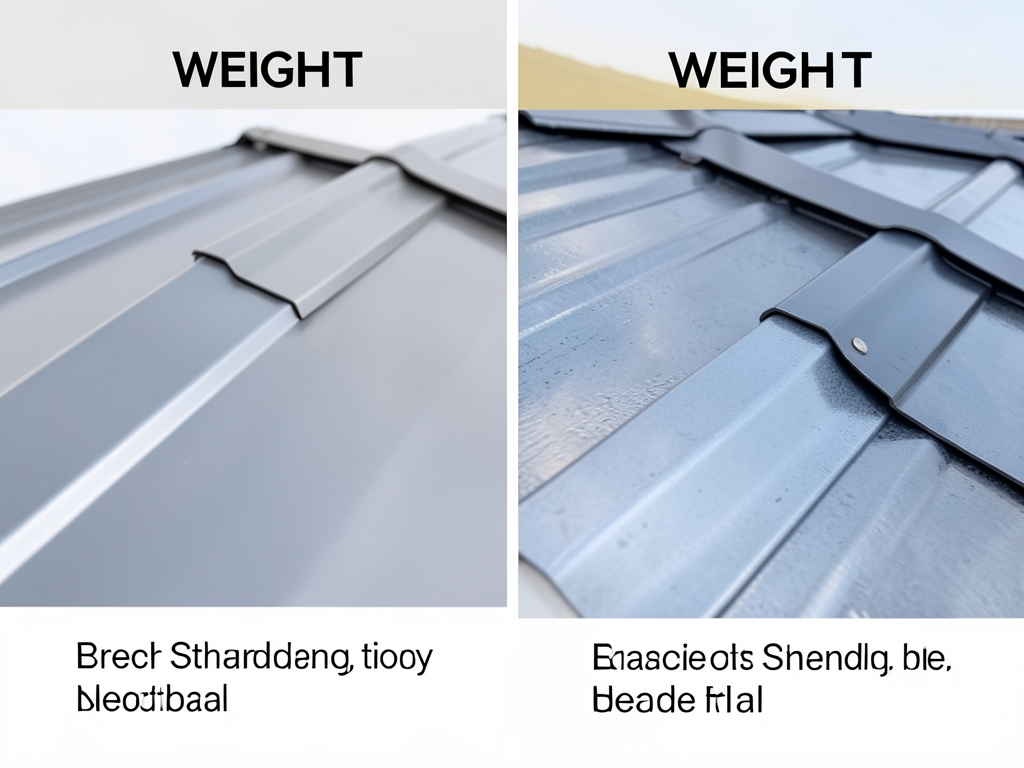
Side-by-side comparison of aluminum vs. steel metal roofing panels showing the weight difference and finish options available.
Installation diagram showing proper clip spacing and underlayment requirements for Florida Building Code compliance in High Velocity Hurricane Zones. For more information, visit Energy.gov roofing guide.
You may also find this helpful. Comparing TPO and Modified Bitumen for Small Business Roofs in North Tampa.
{
“@context”: “https://schema.org”,
“@type”: “BlogPosting”,
“headline”: “The Pros and Cons of Standing Seam Metal Roofs for Modern Homes in Hyde Park”,
“description”: “Discover the advantages and drawbacks of standing seam metal roofing for modern homes in Hyde Park. Learn about durability, energy efficiency, and hurricane resistance in Tampa’s climate.”,
“wordCount”: 2625,
“datePublished”: “2026-03-25T10:26:00.000Z”,
“dateModified”: “2026-03-25T10:26:00.000Z”,
“inLanguage”: “en-US”,
“mainEntityOfPage”: {
“@type”: “WebPage”,
“@id”: “https://crestlineroofingtampa.com”
},
“publisher”: {
“@type”: “LocalBusiness”,
“name”: “Crestline Roofing Tampa”,
“url”: “https://crestlineroofingtampa.com”
},
“author”: {
“@type”: “Organization”,
“name”: “Crestline Roofing Tampa”,
“url”: “https://crestlineroofingtampa.com”
},
“image”: {
“@type”: “ImageObject”,
“url”: “https://crestlineroofingtampa.com/wp-content/uploads/2026/03/the-pros-and-cons-of-standing-seam-metal-roofs-for-1.png”
}
}
{
“@context”: “https://schema.org”,
“@type”: “RoofingContractor”,
“name”: “Crestline Roofing Tampa”,
“url”: “https://crestlineroofingtampa.com”,
“address”: {
“@type”: “PostalAddress”,
“addressLocality”: “Tampa”
},
“areaServed”: {
“@type”: “City”,
“name”: “Tampa”
}
}
{
“@context”: “https://schema.org”,
“@type”: “FAQPage”,
“mainEntity”: [
{
“@type”: “Question”,
“name”: “What is Standing Seam Metal Roofing?”,
“acceptedAnswer”: {
“@type”: “Answer”,
“text”: “Standing seam metal roofing consists of vertical metal panels that run from the ridge to the eave of the roof. The key distinguishing feature is the raised seams that connect adjacent panels, typically standing 1 to 2 inches above the flat surface. These seams conceal the fasteners that secure the panels to the roof deck, creating a smooth, contemporary appearance. Roofing Dunedin.”
}
},
{
“@type”: “Question”,
“name”: “How long does a standing seam metal roof last in Tampa’s climate?”,
“acceptedAnswer”: {
“@type”: “Answer”,
“text”: “A properly installed standing seam metal roof typically lasts 50+ years in Tampa’s climate. The metal’s resistance to UV radiation, salt air, and thermal cycling far exceeds traditional materials. Many manufacturers offer warranties of 30-50 years on their premium systems.”
}
},
{
“@type”: “Question”,
“name”: “Can standing seam metal roofing be installed over existing shingles?”,
“acceptedAnswer”: {
“@type”: “Answer”,
“text”: “Yes, in many cases standing seam metal can be installed over existing asphalt shingles, provided the roof structure can support the additional weight and local codes permit this approach. This can reduce installation costs by eliminating tear-off expenses, but a professional inspection is necessary to determine if this option is suitable for your specific home.”
}
},
{
“@type”: “Question”,
“name”: “Does metal roofing affect cell phone reception inside the home?”,
“acceptedAnswer”: {
“@type”: “Answer”,
“text”: “Modern metal roofing has minimal impact on cell phone reception. The small percentage of signal blockage is typically negligible, especially when compared to other factors like trees, nearby buildings, or the phone’s own antenna quality. Most homeowners report no noticeable difference in reception after installing metal roofing.”
}
},
{
“@type”: “Question”,
“name”: “What colors are available for standing seam metal roofing?”,
“acceptedAnswer”: {
“@type”: “Answer”,
“text”: “Standing seam metal roofing comes in a wide range of colors from traditional earth tones to bold contemporary hues. Most manufacturers offer 20-30 standard colors plus custom color matching. Popular choices in Tampa include lighter colors that reflect heat, such as sandstone, pewter, and various shades of gray and tan.”
}
},
{
“@type”: “Question”,
“name”: “How does standing seam metal roofing perform during hurricanes?”,
“acceptedAnswer”: {
“@type”: “Answer”,
“text”: “Standing seam metal roofing performs exceptionally well during hurricanes when properly installed. The interlocking panel design and concealed fasteners create a monolithic surface that wind cannot penetrate. These systems can withstand wind speeds exceeding 140 mph, meeting or exceeding Florida’s strictest building code requirements for High Velocity Hurricane Zones.”
}
}
]
}
{
“@context”: “https://schema.org”,
“@type”: “BreadcrumbList”,
“itemListElement”: [
{
“@type”: “ListItem”,
“position”: 1,
“name”: “Home”,
“item”: “https://crestlineroofingtampa.com”
},
{
“@type”: “ListItem”,
“position”: 2,
“name”: “Blog”,
“item”: “https://crestlineroofingtampa.com/blog”
},
{
“@type”: “ListItem”,
“position”: 3,
“name”: “The Pros and Cons of Standing Seam Metal Roofs for Modern Homes in Hyde Park”
}
]
}
{
“@context”: “https://schema.org”,
“@type”: “Service”,
“serviceType”: “Roofing”,
“provider”: {
“@type”: “LocalBusiness”,
“name”: “Crestline Roofing Tampa”,
“url”: “https://crestlineroofingtampa.com”
},
“areaServed”: {
“@type”: “City”,
“name”: “Tampa”
},
“description”: “Discover the advantages and drawbacks of standing seam metal roofing for modern homes in Hyde Park. Learn about durability, energy efficiency, and hurricane resistance in Tampa’s climate.”
}