
Why Your Sun City Center Lanai Roof is Leaking (And the Best Ways to Fix It)
Your lanai roof is leaking because Florida’s intense UV rays degrade sealants faster than anywhere else in the continental United States. The Super Gutter system that channels water away from your aluminum pan roof is clogged with oak leaves and pine needles common to Sun City Center’s mature tree canopy. These leaks worsen during afternoon thunderstorms when water backs up and finds the weakest point at the house-to-lanai transition where flashing meets your main roof. Florida Building Code.
Most Sun City Center homeowners discover their lanai leak when water stains appear on their indoor ceiling near the patio door. The aluminum pan system expands and contracts more dramatically than traditional shingles due to Florida’s extreme temperature swings between morning lows and afternoon highs. This thermal movement breaks the seal between your lanai roof and the main structure within 7-10 years of installation.
Common Causes of Lanai Roof Leaks in Florida
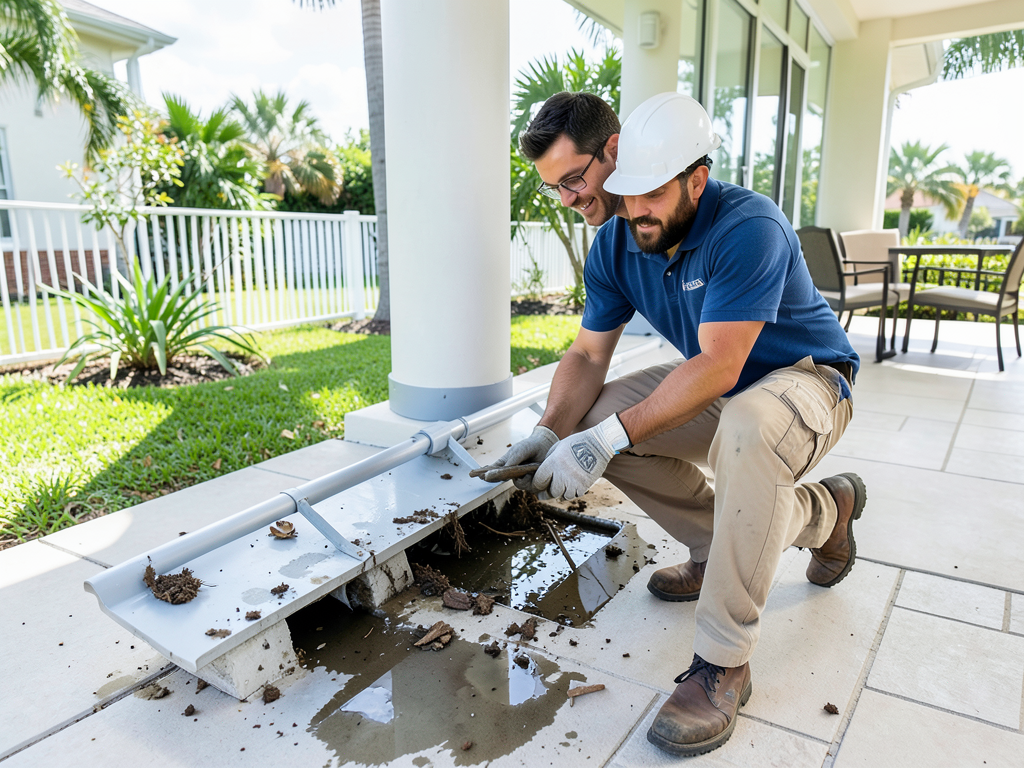
The Super Gutter system is the most misunderstood component of lanai construction in Sun City Center. This structural gutter sits directly on top of your lanai’s aluminum framing and collects water from both the roof surface and the house wall. When debris accumulates in this channel, water cannot drain properly and backs up under the roof panels. New Roof Construction.
Florida’s Building Code requires Super Gutters to handle 6 inches of rainfall per hour during a 100-year storm event. However, most Sun City Center lanais were built before these requirements and use undersized drainage systems that cannot handle the heavy downpours common in August and September.
Aluminum pan roofs develop pinhole leaks from galvanic corrosion when different metals touch. The screws holding your roof panels often contain steel that rusts when exposed to Florida’s salty coastal air. These tiny holes allow water to penetrate the roof system and travel along the aluminum framing before dripping into your living space.. Read more about Why FishHawk Homes Often Experience Standing Water on Screen Enclosure Roofs.
Understanding Super Gutters and Structural Support
Super Gutters serve as both a drainage system and a structural element for your lanai roof. The aluminum channel spans between support posts and must carry the weight of rainwater, debris, and occasional maintenance workers. When these gutters sag from age or improper installation, water pools instead of draining.
The house-to-lanai transition is where 90% of leaks occur. This junction requires counter-flashing that extends up the wall of your home at least 6 inches and overlaps the lanai roof system. Many Sun City Center homes have missing or damaged counter-flashing that allows wind-driven rain to enter the wall cavity.
Thermal expansion causes aluminum panels to grow by up to 1/4 inch per 20 feet when temperatures rise from morning to afternoon. Without proper expansion joints, this movement tears sealants and creates gaps where water enters. The problem is worse on south-facing lanais that receive direct sunlight all day.
Aluminum Pan Roof Systems vs. Modern Alternatives
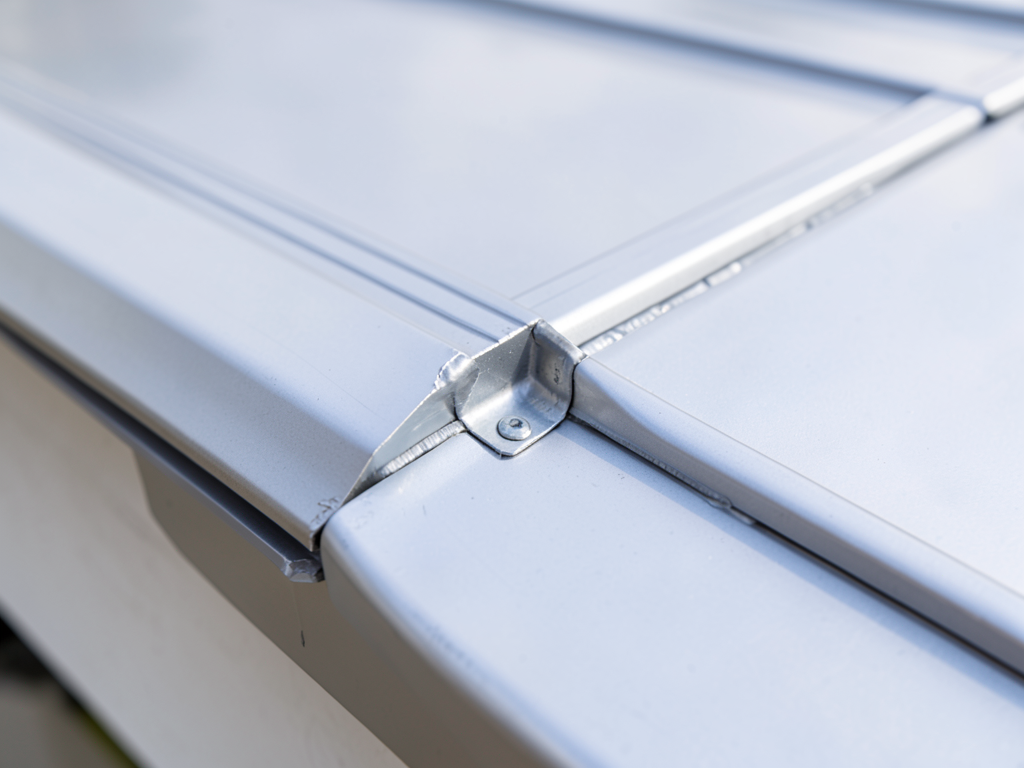
Traditional aluminum pan roofs consist of 24-inch wide panels that lock together at the seams. These systems work well for decades but eventually develop stress cracks at the panel overlaps. The seams are the weakest point and often fail first when sealants dry out from UV exposure.
Insulated Roof Panels (IRP) offer better thermal performance but cost 40% more than aluminum systems. These panels sandwich foam insulation between aluminum skins and reduce heat transfer into your home. However, they still require proper flashing at the house connection to prevent leaks.
Polycarbonate panels provide UV protection and impact resistance but scratch easily from falling debris. These clear or tinted panels allow natural light through while blocking harmful rays. The material expands more than aluminum, requiring larger expansion gaps at the edges.
Step-by-Step Lanai Roof Leak Diagnosis
- Visual Inspection from Ground Level
Look for sagging Super Gutters, missing screws, or damaged panels. Check for water stains on the house wall below the lanai connection point.
- Super Gutter Cleaning Test
Pour a bucket of water into the Super Gutter and watch how quickly it drains. Slow drainage indicates clogs that need removal.
- Sealant Condition Check
Press on sealant joints with your finger. If it crumbles or pulls away from surfaces, replacement is needed. Affordable Roof Replacement Solutions for Homeowners in Riverview.
- Moisture Meter Reading
Check wall cavities near the lanai connection for elevated moisture levels that indicate active leaks.
The moisture meter test reveals hidden leaks that are not visible from the surface. Readings above 15% moisture content indicate active water intrusion that requires immediate repair. This diagnostic step prevents mold growth in wall cavities.
Professional Repair Process for Sun City Center Lanais
Professional lanai repair starts with removing all old sealants and cleaning the aluminum surfaces with a wire brush. This preparation step ensures new sealants bond properly to the metal. The process typically takes 2-3 days depending on weather conditions and repair scope.
High-quality polyurethane sealants outlast silicone products in Florida’s intense sun. These modern sealants maintain flexibility for 15+ years compared to 5-7 years for standard silicone. The initial cost is higher but reduces long-term maintenance needs.
Structural reinforcement may be necessary if Super Gutters have sagged more than 1/2 inch. This involves adding support brackets under the gutter channel and ensuring proper slope toward downspouts. The repair restores proper drainage and prevents future pooling.
Hillsborough County Building Code Requirements
Hillsborough County requires lanai roofs to withstand 140 mph winds according to the Florida Building Code. This means all panels must be mechanically fastened with screws every 12 inches along support members. Adhesive-only installations are no longer permitted for new construction or major repairs. Hillsborough County Building Permits.
Permit requirements for lanai repairs depend on the scope of work. Replacing more than 25% of the roof system or making structural changes requires a building permit from Hillsborough County. The permit process ensures repairs meet current wind load standards.
Waterproofing details at the house connection must comply with FBC Section 1503.2. This requires counter-flashing that extends up the wall at least 4 inches and overlaps the roof system by 2 inches. Proper installation prevents wind-driven rain from entering wall cavities. Choosing the Best Roofing Contractor for Your Westchase Home.
Seasonal Maintenance to Prevent Future Leaks
Clean Super Gutters quarterly to prevent debris buildup. Use a garden hose to flush the system and ensure water flows toward downspouts. Remove leaves, pine needles, and small branches that accumulate during Florida’s growing season.
Inspect sealant joints twice yearly, in spring and fall. Look for cracks, gaps, or areas where sealant has pulled away from surfaces. Early detection allows spot repairs before major leaks develop.
Check for loose or missing screws annually. Florida’s thermal cycling causes screws to back out over time. Replace any missing fasteners and tighten loose ones to maintain structural integrity.
Cost Factors for Lanai Roof Repairs in Sun City Center
| Repair Type | Typical Cost Range | Time Required |
|---|---|---|
| Super Gutter Cleaning & Sealant Replacement | $800 – $1,500 | 1-2 days |
| Aluminum Panel Replacement (per panel) | $250 – $400 | 4-6 hours |
| Structural Reinforcement | $1,200 – $2,500 | 2-3 days |
| Complete Roof System Replacement | $3,500 – $8,000 | 3-5 days |
Repair costs vary based on roof accessibility, extent of damage, and material choices. Emergency repairs during hurricane season may cost 20-30% more due to increased demand and weather constraints.
Insurance Considerations for Lanai Leaks
Homeowner’s insurance typically covers sudden lanai roof damage from covered perils like fallen trees or windstorms. However, gradual leaks from age or poor maintenance are usually excluded as maintenance issues. Navigating Roof Insurance Claims After a Storm in Tampa.
Document all repairs and maintenance to support insurance claims. Keep receipts, photos, and contractor reports showing the condition of your lanai roof over time. This documentation helps prove damage was sudden rather than gradual.
Some insurance companies require wind mitigation inspections for homes with lanais. These inspections verify that roof systems meet current building code standards for wind resistance. Passing inspection may qualify you for premium discounts.
Frequently Asked Questions
How long does a lanai roof repair take?
Most lanai repairs take 1-3 days depending on the scope of work and weather conditions. Simple sealant replacement can be completed in one day, while structural repairs may require 2-3 days.
Can I repair my lanai roof myself?
Minor sealant replacement is possible for DIY homeowners, but structural repairs require professional expertise. Working on roofs involves fall hazards, and improper repairs can void building permits and insurance coverage.
How often should lanai roofs be replaced?
Aluminum pan roofs typically last 15-20 years in Florida’s climate. Factors like sun exposure, debris accumulation, and maintenance quality affect lifespan. Regular inspections help identify when replacement becomes necessary.
Does insurance cover lanai roof leaks?
Insurance covers sudden damage from covered perils but not gradual leaks from age or maintenance issues. Document all repairs and maintenance to support claims for covered damage.
What causes the most lanai roof leaks?
The house-to-lanai transition is the most common leak point, followed by Super Gutter clogs and thermal expansion damage. Regular maintenance prevents most of these issues.
Protect Your Sun City Center Home Today
Don’t wait for the next afternoon thunderstorm to discover your lanai roof is leaking. Small leaks become major problems when water damages your home’s interior walls, electrical systems, and flooring. The cost of preventive maintenance is always less than emergency repairs after storm damage.
Call (656) 245-0955 today to schedule your comprehensive lanai roof inspection. Our experienced technicians will identify potential problems before they cause expensive damage to your Sun City Center home. We serve all neighborhoods in the area and understand the specific challenges of Florida’s climate.
Pick up the phone and call (656) 245-0955 before the next storm hits. Early detection and repair saves you money and prevents the stress of water damage during hurricane season. Our team is ready to help protect your home investment.
{
“@context”: “https://schema.org”,
“@type”: “BlogPosting”,
“headline”: “Why Your Sun City Center Lanai Roof is Leaking (And the Best Ways to Fix It)”,
“description”: “Discover why lanai roofs leak in Sun City Center and how to fix them. Learn about Super Gutters, Florida building codes, and expert repair solutions.”,
“wordCount”: 1640,
“datePublished”: “2026-03-19T16:09:00.000Z”,
“dateModified”: “2026-03-19T16:09:00.000Z”,
“inLanguage”: “en-US”,
“mainEntityOfPage”: {
“@type”: “WebPage”,
“@id”: “https://crestlineroofingtampa.com”
},
“publisher”: {
“@type”: “LocalBusiness”,
“name”: “Crestline Roofing Tampa”,
“url”: “https://crestlineroofingtampa.com”
},
“author”: {
“@type”: “Organization”,
“name”: “Crestline Roofing Tampa”,
“url”: “https://crestlineroofingtampa.com”
},
“image”: {
“@type”: “ImageObject”,
“url”: “https://crestlineroofingtampa.com/wp-content/uploads/2026/03/why-your-sun-city-center-lanai-roof-is-leaking-and-1.png”
}
}
{
“@context”: “https://schema.org”,
“@type”: “RoofingContractor”,
“name”: “Crestline Roofing Tampa”,
“url”: “https://crestlineroofingtampa.com”,
“address”: {
“@type”: “PostalAddress”,
“addressLocality”: “Tampa”
},
“areaServed”: {
“@type”: “City”,
“name”: “Tampa”
}
}
{
“@context”: “https://schema.org”,
“@type”: “FAQPage”,
“mainEntity”: [
{
“@type”: “Question”,
“name”: “How long does a lanai roof repair take?”,
“acceptedAnswer”: {
“@type”: “Answer”,
“text”: “Most lanai repairs take 1-3 days depending on the scope of work and weather conditions. Simple sealant replacement can be completed in one day, while structural repairs may require 2-3 days.”
}
},
{
“@type”: “Question”,
“name”: “Can I repair my lanai roof myself?”,
“acceptedAnswer”: {
“@type”: “Answer”,
“text”: “Minor sealant replacement is possible for DIY homeowners, but structural repairs require professional expertise. Working on roofs involves fall hazards, and improper repairs can void building permits and insurance coverage.”
}
},
{
“@type”: “Question”,
“name”: “How often should lanai roofs be replaced?”,
“acceptedAnswer”: {
“@type”: “Answer”,
“text”: “Aluminum pan roofs typically last 15-20 years in Florida’s climate. Factors like sun exposure, debris accumulation, and maintenance quality affect lifespan. Regular inspections help identify when replacement becomes necessary.”
}
},
{
“@type”: “Question”,
“name”: “Does insurance cover lanai roof leaks?”,
“acceptedAnswer”: {
“@type”: “Answer”,
“text”: “Insurance covers sudden damage from covered perils but not gradual leaks from age or maintenance issues. Document all repairs and maintenance to support claims for covered damage.”
}
},
{
“@type”: “Question”,
“name”: “What causes the most lanai roof leaks?”,
“acceptedAnswer”: {
“@type”: “Answer”,
“text”: “The house-to-lanai transition is the most common leak point, followed by Super Gutter clogs and thermal expansion damage. Regular maintenance prevents most of these issues.”
}
}
]
}
{
“@context”: “https://schema.org”,
“@type”: “HowTo”,
“name”: “How to Diagnose Lanai Roof Leaks”,
“step”: [
{
“@type”: “HowToStep”,
“position”: 1,
“name”: “Visual Inspection from Ground Level”,
“text”: “Look for sagging Super Gutters, missing screws, or damaged panels. Check for water stains on the house wall below the lanai connection point.”
},
{
“@type”: “HowToStep”,
“position”: 2,
“name”: “Super Gutter Cleaning Test”,
“text”: “Pour a bucket of water into the Super Gutter and watch how quickly it drains. Slow drainage indicates clogs that need removal.”
},
{
“@type”: “HowToStep”,
“position”: 3,
“name”: “Sealant Condition Check”,
“text”: “Press on sealant joints with your finger. If it crumbles or pulls away from surfaces, replacement is needed. Affordable Roof Replacement Solutions for Homeowners in Riverview.”
},
{
“@type”: “HowToStep”,
“position”: 4,
“name”: “Moisture Meter Reading”,
“text”: “Check wall cavities near the lanai connection for elevated moisture levels that indicate active leaks.”
}
],
“image”: “https://crestlineroofingtampa.com/wp-content/uploads/2026/03/why-your-sun-city-center-lanai-roof-is-leaking-and-1.png”
}
{
“@context”: “https://schema.org”,
“@type”: “BreadcrumbList”,
“itemListElement”: [
{
“@type”: “ListItem”,
“position”: 1,
“name”: “Home”,
“item”: “https://crestlineroofingtampa.com”
},
{
“@type”: “ListItem”,
“position”: 2,
“name”: “Blog”,
“item”: “https://crestlineroofingtampa.com/blog”
},
{
“@type”: “ListItem”,
“position”: 3,
“name”: “Why Your Sun City Center Lanai Roof is Leaking (And the Best Ways to Fix It)”
}
]
}
{
“@context”: “https://schema.org”,
“@type”: “Service”,
“serviceType”: “Roofing”,
“provider”: {
“@type”: “LocalBusiness”,
“name”: “Crestline Roofing Tampa”,
“url”: “https://crestlineroofingtampa.com”
},
“areaServed”: {
“@type”: “City”,
“name”: “Tampa”
},
“description”: “Discover why lanai roofs leak in Sun City Center and how to fix them. Learn about Super Gutters, Florida building codes, and expert repair solutions.”
}