
Fixing Persistent Leaks Around Dormer Windows in Historic Tampa Heights Bungalows
Persistent leaks around dormer windows plague many historic Tampa Heights bungalows due to the unique combination of aging construction, Florida’s intense weather patterns, and the architectural details that make these homes so distinctive. The constant exposure to heavy afternoon thunderstorms, high humidity, and salt air from Tampa Bay creates perfect conditions for water intrusion at dormer joints. Many homeowners in the 33602 and 33603 zip codes notice water stains on their ceilings or walls during the rainy season, often originating from the vulnerable intersection between the dormer wall and main roof plane. Florida Building Code.
The problem typically starts with failed flashing or deteriorated sealants that cannot withstand Tampa’s thermal cycling. During the day, the sun heats the roof surface to temperatures that can exceed 150 degrees Fahrenheit, causing expansion. At night, cooling causes contraction. This constant movement breaks down traditional sealants and pulls flashing away from its intended position. Once a gap forms, even as small as a sixteenth of an inch, wind-driven rain can force water behind the flashing and into the wall cavity. Tampa Historic Preservation Guidelines.
Understanding the specific construction methods used in Tampa Heights bungalows is crucial for effective repair. Many homes built in the early 1900s through the 1930s feature wood-framed dormers with cedar or cypress siding, materials chosen for their natural rot resistance. However, these materials have a limited lifespan when constantly exposed to Florida’s moisture and UV radiation. The dormer windows themselves often have single-pane glass with minimal weatherstripping, creating additional points of failure where water can penetrate.. Read more about Why Your Pool Cage Connection Points are the Weakest Link on Your FishHawk Roof.
Common Dormer Leak Points in Tampa Heights Architecture
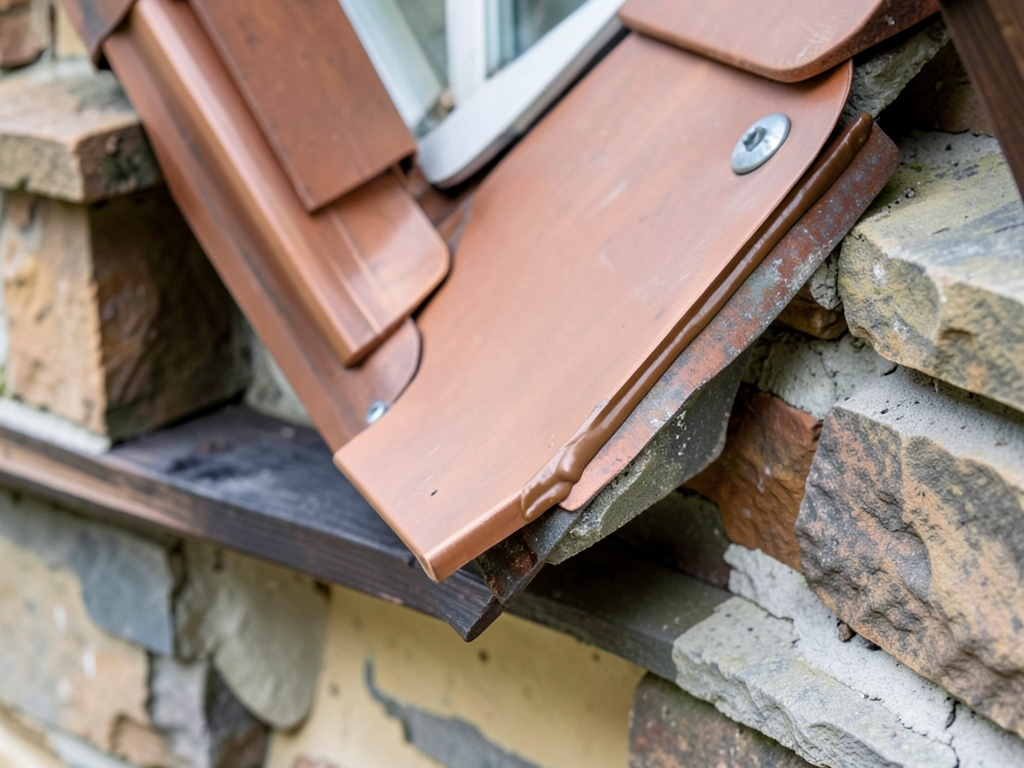
The most frequent leak sources in Tampa Heights dormers follow predictable patterns based on the home’s age and construction style. Step flashing along the dormer wall often fails first, particularly where it meets the main roof. This flashing consists of individual pieces that overlap like fish scales, but when the sealant between pieces fails, water runs behind the entire system. The valley where two roof planes meet at the dormer front creates another critical vulnerability, especially when debris from the abundant oak trees in the neighborhood accumulates and holds moisture against the roof surface.. Read more about Why Water Pools Behind Your Chimney and How a Proper Cricket Saves Your Roof.
Window casings represent another major failure point. Many original windows in Tampa Heights bungalows have wooden frames that have been exposed to moisture for decades. The constant humidity causes these frames to swell and contract, eventually creating gaps where water can enter. Once water penetrates the window frame, it travels down the wall cavity, often appearing as a ceiling stain several feet away from the actual entry point. This makes diagnosis particularly challenging for homeowners attempting DIY repairs.
The eaves and soffit areas around dormers also contribute to leak problems. In many historic bungalows, the original construction did not include proper drip edges or gutter systems designed to handle Tampa’s intense rainfall. Water can back up under shingles and flow sideways into the dormer structure. Additionally, the lack of proper ventilation in these older homes creates condensation issues that compound the water intrusion problems, especially during the cooler winter months when temperature differentials are greatest. Preserving the Historic Charm of Seminole Heights Roofs During a Replacement.
Diagnostic Process for Dormer Leak Identification
Accurate leak diagnosis requires a systematic approach that goes beyond simply looking for visible water stains. The first step involves a thorough visual inspection of the exterior dormer area, checking for missing or damaged shingles, deteriorated flashing, and gaps in the sealant. A moisture meter becomes an essential tool at this stage, allowing technicians to detect elevated moisture levels in the roof decking and wall studs without causing damage. Readings above 18 percent moisture content indicate active water intrusion that requires immediate attention.. Read more about How Heavy Palm Fronds Damage Your Shingles in Dana Shores and What to Do About It.
Thermal imaging cameras provide another layer of diagnostic capability by revealing temperature differences that indicate moisture presence. In Tampa’s climate, areas with active leaks often show up as cooler spots on the thermal scan due to evaporative cooling. This technology allows technicians to pinpoint the exact location of water entry, even when the visible signs are minimal. The camera can also detect areas where insulation has become saturated, which affects the home’s energy efficiency and creates conditions favorable for mold growth.. Read more about Why Most Roof Leaks in Sun City Center Start at the Plumbing Vent Boot.
Water testing represents the most definitive diagnostic method for persistent leaks. This involves systematically applying water to specific areas of the dormer while monitoring the interior for signs of penetration. The process starts at the lowest points and works upward, allowing technicians to isolate the exact entry point. For complex dormer configurations, this testing may take several hours as water needs time to travel through the various building materials before becoming visible inside the home.
Repair Solutions for Historic Dormer Windows
Effective dormer leak repair in historic Tampa Heights homes requires balancing modern waterproofing technology with preservation of the home’s architectural character. The repair process typically begins with complete removal of all failed flashing and sealants down to the original wood substrate. This allows for inspection of the underlying structure for rot or damage that may not be visible from the exterior. Any compromised wood must be replaced with materials that match the original dimensions while providing enhanced durability against moisture. Choosing the Best Roofing Contractor for Your Westchase Home.
Modern flashing systems offer superior protection compared to original construction methods. Self-adhering polymer-modified bitumen underlayment provides a waterproof barrier that seals around nails and fasteners, eliminating the small gaps that allow water intrusion. This material, combined with properly installed step flashing that extends at least 4 inches up the dormer wall and 6 inches onto the main roof, creates a redundant waterproofing system. The flashing should be installed in a shingle pattern, with each piece overlapping the one below by at least 2 inches.
Sealant selection proves critical for long-term success in Tampa’s climate. Silicone-based sealants offer the best performance for dormer applications, maintaining flexibility across a wide temperature range and providing superior UV resistance compared to acrylic or polyurethane products. The sealant should be applied in a continuous bead at all joints, with particular attention to the intersection between the dormer wall and roof plane. For historic preservation compliance, clear silicone sealants can provide waterproofing without altering the visual appearance of the dormer.
Compliance with Tampa Heights Historic District Guidelines
Repairs to dormers in the Tampa Heights Historic District must comply with guidelines established by the City of Tampa’s Historic Preservation Office. These guidelines require that any visible repairs maintain the architectural integrity of the original design while incorporating modern waterproofing techniques that are not visible from the street. This means that while the flashing and underlayment must meet current Florida Building Code requirements for wind resistance and waterproofing, the exterior materials and colors should match the original construction as closely as possible.
The Florida Building Code Section 1503.2 requires that flashing be corrosion-resistant and extend to the underside of the roof sheathing at the inside wall intersection. For dormers, this means installing kick-out flashing at the eave to direct water away from the wall and into the gutter system. The code also mandates that step flashing be installed to prevent water from entering the roof or occupying the space between the roof and wall. These requirements ensure that repairs not only address the immediate leak but also provide long-term protection against future water intrusion.
Working within a historic district also requires coordination with neighbors and the preservation board. Many Tampa Heights residents are passionate about maintaining the neighborhood’s architectural heritage, and visible changes to dormer designs or materials can face scrutiny. Successful projects involve clear communication about the repair methods being used and how they preserve the home’s historic character while addressing the functional issues. This community aspect of dormer repair often determines whether a project proceeds smoothly or encounters delays and complications.
Preventative Maintenance for Dormer Longevity
Preventative maintenance significantly extends the life of dormer repairs and prevents recurring leaks. The dense oak canopy in Tampa Heights contributes to debris accumulation in dormer valleys and around flashing areas. This debris holds moisture against the roof surface, accelerating deterioration of sealants and underlayment. Regular cleaning of these areas, particularly after the fall leaf drop and before the summer rainy season, prevents this moisture damage. A professional cleaning service can safely remove debris without damaging the roof surface or historic materials.
Annual inspections identify potential problems before they become major leaks. These inspections should include checking all sealant joints for signs of cracking or separation, examining flashing for signs of lifting or corrosion, and testing the operation of any mechanical components like window sashes or ventilation louvers. The inspection should also include checking the attic space around the dormer for signs of moisture or pest intrusion, as animals often enter through gaps in deteriorated flashing or siding.
UV protection measures help preserve the waterproofing materials installed during repairs. While modern sealants and underlayment offer superior UV resistance compared to original materials, they still degrade over time when exposed to Florida’s intense sunlight. Applying UV-protective coatings to exposed sealant joints can extend their service life by several years. These coatings are typically clear and do not alter the appearance of the dormer while providing an additional layer of protection against the sun’s damaging rays.
Emergency Response for Active Dormer Leaks
When active leaks occur during heavy storms, immediate temporary measures can prevent extensive interior damage while permanent repairs are arranged. Emergency tarping involves securing heavy-duty polyethylene tarps over the affected area using 2×4 boards and roofing nails. The tarp should extend at least 3 feet beyond the visible leak area on all sides to ensure complete coverage. This temporary solution prevents further water intrusion but must be removed and replaced with permanent repairs within 30 days to comply with Florida Building Code requirements.. Read more about Why You Might Need to Replace Your Plywood Decking During a Tampa Roof Overhaul.
Interior protection measures include placing collection containers under active leaks and using moisture-absorbing materials to prevent water from spreading across finished surfaces. For leaks near electrical fixtures or outlets, the power should be turned off at the circuit breaker until the area can be inspected by a qualified electrician. Water and electricity create a serious safety hazard that requires immediate attention. Documenting the leak with photographs helps with insurance claims and provides valuable information for the repair technician. Navigating Roof Insurance Claims After a Storm in Tampa.
Emergency response also involves assessing the extent of water damage to interior finishes and structural components. Water that has been leaking for an extended period may have caused damage to drywall, insulation, and even structural framing. This damage often requires removal and replacement of affected materials to prevent mold growth and restore the home’s structural integrity. The emergency response phase transitions into the permanent repair phase once the immediate threat of additional water damage has been addressed. Affordable Roof Replacement Solutions for Homeowners in Riverview.
Cost Factors in Dormer Leak Repair
The cost of dormer leak repair in Tampa Heights varies significantly based on the extent of damage, accessibility of the repair area, and whether the work falls under historic preservation guidelines. Basic flashing replacement for a small dormer might start around $1,500, while comprehensive repairs involving structural wood replacement and complete waterproofing systems can exceed $8,000. The wide range reflects the complexity of working with historic construction methods and the need to match original materials and details.
Accessibility factors heavily influence repair costs. Dormers on second stories or those surrounded by mature trees require additional equipment and labor time. Scaffolding or specialized lifts may be necessary to safely access the repair area, adding several hundred dollars to the project cost. The presence of delicate landscaping or proximity to property lines can also complicate access and increase labor time, as technicians must work more carefully to avoid damage to surrounding areas.
Material selection impacts both initial cost and long-term performance. While matching original materials helps maintain historic character, modern alternatives often provide superior durability at a higher upfront cost. For example, copper flashing costs three to four times more than galvanized steel but offers a service life of 50+ years compared to 15-20 years for steel products. The decision between matching original materials and upgrading to modern alternatives should consider both budget constraints and long-term maintenance goals.
Choosing the Right Contractor for Dormer Repairs
Selecting a contractor experienced with historic Tampa Heights bungalows requires careful evaluation of their qualifications and approach to preservation work. The ideal contractor should have specific experience with dormer repairs in historic districts and understand the unique challenges these projects present. This includes familiarity with local building codes, historic preservation guidelines, and the architectural styles common to Tampa Heights. Contractors should be able to provide references from similar projects in the neighborhood and demonstrate their understanding of the preservation requirements.
Proper licensing and insurance represent non-negotiable requirements for any contractor working on your home. In Florida, roofing contractors must hold a Certified Roofing Contractor license from the Department of Business and Professional Regulation. Additionally, contractors should carry general liability insurance and workers’ compensation coverage to protect homeowners from liability in case of accidents or damage during the repair process. Request copies of these documents and verify their validity with the issuing agencies before signing any contracts.
The contractor’s approach to project management and communication significantly impacts the repair experience. A detailed written proposal should outline the scope of work, materials to be used, project timeline, and payment schedule. The proposal should also address how the contractor plans to protect your property during the repair process, including measures to prevent damage to landscaping, protect interior finishes from dust and debris, and maintain site safety throughout the project. Clear communication about these aspects helps prevent misunderstandings and ensures a smooth repair process.
Frequently Asked Questions
How can I tell if my dormer leak is from the roof or the window?
Distinguishing between roof and window leaks requires careful observation of when and where water appears. Roof leaks typically worsen during heavy rain and may show water stains on ceilings away from the window itself. Window leaks often appear as water running down the interior wall or pooling on the window sill during rain. A professional inspection using moisture meters and thermal imaging can definitively identify the leak source.
How long do dormer leak repairs typically last in Tampa’s climate?
Properly executed dormer repairs using modern materials and techniques should last 15-20 years in Tampa’s climate. However, the extreme temperature variations and intense UV exposure can reduce this lifespan if lower-quality materials are used or if proper installation techniques are not followed. Regular maintenance and inspections can help identify and address minor issues before they become major problems.
Will dormer repairs affect my home’s historic designation?
Properly executed dormer repairs should not affect your home’s historic designation as long as the work complies with local preservation guidelines. The key is maintaining the visible character of the original design while upgrading the waterproofing systems behind the scenes. Working with a contractor experienced in historic preservation ensures that repairs meet both functional and aesthetic requirements.
Protecting Your Tampa Heights Home Investment
Persistent dormer leaks represent more than just an inconvenience; they threaten the structural integrity and historic character of your Tampa Heights bungalow. The combination of aging construction, Florida’s harsh climate, and the architectural details that make these homes unique creates a perfect storm for water intrusion. Addressing these issues promptly with proper repair techniques not only stops the immediate leak but also protects your home’s value and preserves its historic charm for future generations.
The investment in professional dormer leak repair pays dividends through prevented damage to interior finishes, improved energy efficiency, and maintained property values in Tampa’s competitive historic housing market. Homes in the Tampa Heights Historic District command premium prices, and well-maintained properties with properly functioning dormers contribute to the neighborhood’s overall appeal. The cost of professional repair pales in comparison to the potential expenses of unaddressed water damage, including mold remediation, structural repairs, and decreased property values.
Taking action on dormer leaks requires partnering with contractors who understand both the technical aspects of waterproofing and the preservation requirements of historic homes. This specialized knowledge ensures that repairs address the root cause of leaks while maintaining the architectural integrity that makes Tampa Heights such a desirable place to live. The right contractor becomes a partner in preserving your home’s historic character while providing the modern protection needed to withstand Florida’s challenging climate conditions.
Get Expert Dormer Leak Repair Today
Don’t let persistent dormer leaks compromise your historic Tampa Heights home. The combination of expert diagnosis, proper repair techniques, and compliance with historic preservation guidelines ensures that your dormer will provide reliable protection for years to come. Our team understands the unique challenges of working with historic bungalows and has the experience to deliver lasting solutions that preserve your home’s character while eliminating water intrusion. Finding a Reliable Tile Roof Repair Specialist in South Tampa.
Call (656) 245-0955 today to schedule your comprehensive dormer inspection. We’ll identify the source of your leaks, provide a detailed repair plan, and work with you to ensure the solution meets both your functional needs and historic preservation requirements. Don’t wait for the next storm to cause additional damage – take control of your home’s protection now.
Pick up the phone and call (656) 245-0955 before the next storm hits. Our emergency response team is ready to provide immediate temporary protection while we develop your permanent repair solution. Protect your Tampa Heights bungalow and preserve its historic charm with professional dormer leak repair services you can trust.

You may also find this helpful. Fixing a Sagging Roofline on Older Character Homes in the V.M. Ybor Area.
You may also find this helpful. Managing the Transition from Pitched to Flat Roofs on Your South Tampa Addition.
[IMAGE_PLACEHOLDER_3>
{
“@context”: “https://schema.org”,
“@type”: “BlogPosting”,
“headline”: “Fixing Persistent Leaks Around Dormer Windows in Historic Tampa Heights Bungalows”,
“description”: “Expert dormer leak repair in Tampa Heights. Fix flashing failures, wood rot, and storm damage in historic bungalows. Call (656) 245-0955 for inspection.”,
“wordCount”: 2926,
“datePublished”: “2026-05-05T07:37:00.000Z”,
“dateModified”: “2026-05-05T07:37:00.000Z”,
“inLanguage”: “en-US”,
“mainEntityOfPage”: {
“@type”: “WebPage”,
“@id”: “https://crestlineroofingtampa.com”
},
“publisher”: {
“@type”: “LocalBusiness”,
“name”: “Crestline Roofing Tampa”,
“url”: “https://crestlineroofingtampa.com”
},
“author”: {
“@type”: “Organization”,
“name”: “Crestline Roofing Tampa”,
“url”: “https://crestlineroofingtampa.com”
},
“image”: {
“@type”: “ImageObject”,
“url”: “https://crestlineroofingtampa.com/wp-content/uploads/2026/03/fixing-persistent-leaks-around-dormer-windows-in-h-1.png”
}
}
{
“@context”: “https://schema.org”,
“@type”: “RoofingContractor”,
“name”: “Crestline Roofing Tampa”,
“url”: “https://crestlineroofingtampa.com”,
“address”: {
“@type”: “PostalAddress”,
“addressLocality”: “Tampa”
},
“areaServed”: {
“@type”: “City”,
“name”: “Tampa”
}
}
{
“@context”: “https://schema.org”,
“@type”: “FAQPage”,
“mainEntity”: [
{
“@type”: “Question”,
“name”: “How can I tell if my dormer leak is from the roof or the window?”,
“acceptedAnswer”: {
“@type”: “Answer”,
“text”: “Distinguishing between roof and window leaks requires careful observation of when and where water appears. Roof leaks typically worsen during heavy rain and may show water stains on ceilings away from the window itself. Window leaks often appear as water running down the interior wall or pooling on the window sill during rain. A professional inspection using moisture meters and thermal imaging can definitively identify the leak source.”
}
},
{
“@type”: “Question”,
“name”: “How long do dormer leak repairs typically last in Tampa’s climate?”,
“acceptedAnswer”: {
“@type”: “Answer”,
“text”: “Properly executed dormer repairs using modern materials and techniques should last 15-20 years in Tampa’s climate. However, the extreme temperature variations and intense UV exposure can reduce this lifespan if lower-quality materials are used or if proper installation techniques are not followed. Regular maintenance and inspections can help identify and address minor issues before they become major problems.”
}
},
{
“@type”: “Question”,
“name”: “Will dormer repairs affect my home’s historic designation?”,
“acceptedAnswer”: {
“@type”: “Answer”,
“text”: “Properly executed dormer repairs should not affect your home’s historic designation as long as the work complies with local preservation guidelines. The key is maintaining the visible character of the original design while upgrading the waterproofing systems behind the scenes. Working with a contractor experienced in historic preservation ensures that repairs meet both functional and aesthetic requirements.”
}
}
]
}
{
“@context”: “https://schema.org”,
“@type”: “BreadcrumbList”,
“itemListElement”: [
{
“@type”: “ListItem”,
“position”: 1,
“name”: “Home”,
“item”: “https://crestlineroofingtampa.com”
},
{
“@type”: “ListItem”,
“position”: 2,
“name”: “Blog”,
“item”: “https://crestlineroofingtampa.com/blog”
},
{
“@type”: “ListItem”,
“position”: 3,
“name”: “Fixing Persistent Leaks Around Dormer Windows in Historic Tampa Heights Bungalows”
}
]
}
{
“@context”: “https://schema.org”,
“@type”: “Service”,
“serviceType”: “Roofing”,
“provider”: {
“@type”: “LocalBusiness”,
“name”: “Crestline Roofing Tampa”,
“url”: “https://crestlineroofingtampa.com”
},
“areaServed”: {
“@type”: “City”,
“name”: “Tampa”
},
“description”: “Expert dormer leak repair in Tampa Heights. Fix flashing failures, wood rot, and storm damage in historic bungalows. Call (656) 245-0955 for inspection.”
}