
How to Spot Mold in Your Attic Before it Ruins Your Roof Decking in Greater Northdale
Finding mold in your attic is more than just an unsightly problem. It signals a moisture issue that can compromise your roof’s structural integrity and create serious health hazards for your family. In Greater Northdale’s humid climate, attic mold spreads quickly once moisture enters through a compromised roof. This guide will help you identify early warning signs before minor water intrusion becomes a major structural and health emergency. Finding a Reliable Tile Roof Repair Specialist in South Tampa.
Northdale’s combination of afternoon thunderstorms and high humidity creates the perfect environment for mold growth. When water penetrates your roof through damaged shingles, flashing failures, or inadequate ventilation, it takes only 24 to 48 hours for mold spores to establish colonies on wood surfaces. The problem intensifies because many Northdale homes feature older construction with inadequate vapor barriers, allowing moisture to accumulate in attic spaces during Florida’s wet season. Florida Building Code.
Understanding how to spot attic mold early can save you thousands in roof repairs and protect your family’s health. The key is knowing where to look and what specific signs indicate active moisture problems requiring immediate professional attention. EPA Mold Resources.
Common Sources of Attic Moisture in Northdale Homes
Roof leaks represent the most obvious source of attic moisture, but several other factors contribute to the problem in Northdale’s climate. Bathroom exhaust fans that terminate in the attic instead of venting outside dump warm, moist air directly into the space. Improperly installed insulation can create condensation points where warm air meets cooler surfaces. Even well-maintained roofs can develop moisture problems when soffit vents become blocked by insulation or when ridge vents fail to provide adequate airflow.. Read more about How Blown-In Insulation Works With Your New Roof to Stop the Tampa Heat.
The age of your roof plays a critical role. Most asphalt shingle roofs in Northdale last 15 to 20 years before showing signs of deterioration. As shingles age, they lose their protective granules and become more susceptible to wind-driven rain penetration. Homes near the Hillsborough River or in low-lying areas face additional challenges from higher humidity levels and potential groundwater vapor intrusion.
Northdale’s rapid development has also changed local drainage patterns. New construction can alter water flow around older homes, potentially directing more water toward roof valleys and vulnerable flashing points. This makes regular roof inspections especially important for long-time residents. New Roof Construction.
Early Warning Signs of Attic Mold
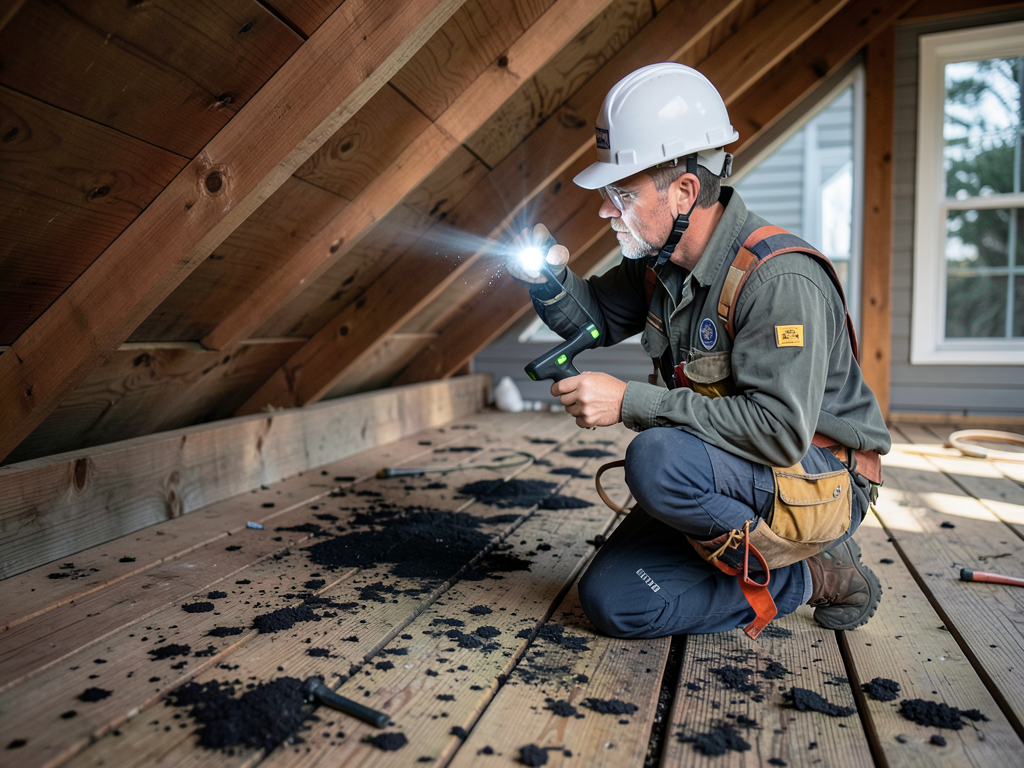
Visual inspection represents your first line of defense against attic mold. Dark staining on plywood decking often appears as irregular black or brown patches. These stains typically have fuzzy or velvety textures and may show concentric growth patterns as the colony expands. Pay special attention to areas near roof penetrations like chimneys, vents, and skylights where water intrusion commonly occurs.. Read more about Why Ridge Vents Might Not be Enough for Large Multi-Level Homes in Lithia.
Musty odors provide another critical indicator. When you enter your attic, a damp, earthy smell suggests active mold growth even if you cannot see visible colonies. This odor becomes more pronounced during humid weather when mold releases more spores and volatile organic compounds.
Physical symptoms in your home can also indicate attic mold problems. Family members experiencing unexplained allergic reactions, respiratory issues, or persistent headaches may be reacting to mold spores circulating through your HVAC system. These symptoms often worsen when the air conditioning runs, as the system can distribute spores throughout your living space.. Read more about Fixing Persistent Leaks Around Dormer Windows in Historic Tampa Heights Bungalows.
Water stains on ceilings below the attic provide obvious visual clues. These stains typically appear as yellow or brown rings and may indicate active leaks that create conditions for mold growth above. However, by the time ceiling stains appear, significant damage may already exist in your attic.
Ice dam formation on north-facing roof sections during rare cold snaps can also indicate ventilation problems that lead to moisture accumulation. While ice dams rarely form in Tampa, the underlying ventilation issues that cause them in other climates contribute to attic moisture problems year-round in our humid environment.
Where to Look for Mold in Your Attic
Focus your inspection on areas where moisture naturally accumulates. Roof valleys collect water during heavy rains and are common sites for leaks. Check the decking beneath skylights, as their flashing often fails over time. Examine areas around plumbing vent stacks where rubber boots deteriorate from UV exposure and temperature fluctuations.
Attic corners and edges near exterior walls trap moisture because they receive less airflow. These areas often show the first signs of mold growth. Inspect the underside of your roof decking thoroughly, using a bright flashlight to examine dark areas where mold may hide.
Check your insulation for signs of moisture. Wet insulation loses its effectiveness and can harbor mold growth. Press gently on insulation in suspicious areas; if it feels damp or clumps together, moisture problems exist. Also examine the attic floor near exterior walls where condensation often forms.
Pay attention to roof decking near soffit vents. Blocked or inadequate ventilation creates moisture traps that accelerate mold growth. Look for signs of wood rot, including soft spots, cracking, or warping in the decking. These structural issues indicate long-term moisture exposure that likely includes mold growth.
Types of Mold Common in Northdale Attics
Several mold species commonly grow in Tampa-area attics, each with different health implications. Stachybotrys chartarum, often called black mold, thrives on cellulose materials like wood and paper. This toxic mold produces mycotoxins that can cause severe respiratory problems, especially in children, elderly individuals, and those with compromised immune systems.
Aspergillus species represent another common attic mold. These molds appear in various colors, including green, yellow, and white. While less toxic than Stachybotrys, Aspergillus can still cause allergic reactions and respiratory infections. Cladosporium grows in cooler areas and appears as olive-green or brown colonies with a suede-like texture.
Penicillium molds, recognizable by their blue or green coloration, often grow on materials damaged by water. These molds spread quickly and can produce strong musty odors. Chaetomium, which starts as a white growth and darkens over time, commonly grows on wet drywall and wood in attics with chronic moisture problems.
Identifying the specific mold type requires professional testing, but all mold growth in your attic indicates conditions that need immediate attention. The presence of any mold suggests ongoing moisture problems that will worsen without intervention.. Read more about Professional Waterproofing for Commercial Rooftop Decks in Channelside.
Testing for Attic Mold: DIY vs Professional Assessment
DIY mold testing kits provide a starting point for homeowners concerned about attic mold. These kits typically include surface swabs or air sampling cassettes that you send to a laboratory for analysis. While affordable, DIY tests have limitations. They may not capture all mold species present, and results require interpretation by someone familiar with building science. Affordable Roof Replacement Solutions for Homeowners in Riverview.
Professional mold inspection offers more comprehensive assessment. Certified inspectors use moisture meters to detect hidden water sources, thermal imaging cameras to identify temperature variations indicating moisture intrusion, and air quality testing to measure spore counts. They also assess your attic’s ventilation system and identify structural issues contributing to moisture problems.
Professional inspectors follow protocols established by the American Industrial Hygiene Association and the Environmental Protection Agency. They document findings with detailed reports that include remediation recommendations and cost estimates. This documentation proves valuable when dealing with insurance claims or real estate transactions. Navigating Roof Insurance Claims After a Storm in Tampa.
The cost of professional inspection typically ranges from $300 to $600 for a standard attic assessment. While this represents an investment, it provides accurate information for making repair decisions and ensures you address all contributing factors, not just visible mold growth.
Health Risks Associated with Attic Mold Exposure
Mold exposure can trigger various health problems, particularly in sensitive individuals. Common symptoms include coughing, wheezing, throat irritation, nasal congestion, and eye irritation. People with asthma may experience more frequent attacks when exposed to mold spores. Children and elderly family members face higher risks due to their developing or compromised immune systems.
Long-term exposure to certain mold species can cause more serious health effects. Stachybotrys chartarum produces mycotoxins that may cause neurological symptoms, including memory problems, mood changes, and chronic fatigue. Some studies suggest links between chronic mold exposure and autoimmune disorders, though research continues in this area.
Mold exposure can also trigger hypersensitivity pneumonitis, a condition where the lungs become inflamed in response to inhaled organic dusts. Symptoms include fever, chills, and shortness of breath that may be mistaken for other respiratory infections. This condition requires medical treatment and avoidance of further mold exposure.
People with compromised immune systems face the highest risks from mold exposure. This includes individuals undergoing chemotherapy, those with HIV/AIDS, and organ transplant recipients taking immunosuppressive medications. For these individuals, mold exposure can lead to serious fungal infections requiring hospitalization.
The psychological impact of living with mold problems should not be underestimated. Anxiety about health risks and property damage can affect quality of life. Some people experience symptoms even when mold levels are within normal ranges, highlighting the importance of professional assessment and proper remediation.
Preventing Attic Mold Growth in Northdale Homes
Prevention focuses on controlling moisture and maintaining proper ventilation. Install and maintain adequate attic ventilation according to Florida Building Code requirements. This typically means one square foot of net free ventilation area for every 150 square feet of attic floor space, with vents positioned to create airflow across the entire attic.
Ensure bathroom exhaust fans vent directly outside rather than into the attic. Install vapor barriers on the warm side of attic floor insulation to prevent moisture migration from your living space. Check that soffit vents remain clear of insulation and other obstructions that block airflow.
Maintain your roof regularly to prevent water intrusion. Replace damaged shingles promptly, repair flashing around chimneys and vents, and clean gutters to prevent water backup under shingles. Consider impact-resistant shingles if your home experiences frequent storm damage.
Monitor indoor humidity levels, keeping them between 30 and 50 percent. Use dehumidifiers in particularly humid areas of your home, especially during Florida’s rainy season. Address plumbing leaks promptly, as even small drips can create conditions for mold growth in attics.
Install moisture sensors in your attic to provide early warning of developing problems. These devices can alert you to elevated humidity levels before mold establishes itself. Some smart home systems integrate with moisture sensors to provide real-time monitoring and alerts.
Professional Mold Remediation Process
Professional mold remediation follows established protocols to safely remove mold and prevent recurrence. The process begins with containment, where affected areas are sealed off using plastic sheeting and negative air pressure to prevent spore spread. This containment protects your living space during the remediation process.
Remediation technicians wear personal protective equipment including respirators, gloves, and Tyvek suits to protect themselves from mold exposure. They use HEPA-filtered air scrubbers to capture airborne spores during the removal process. All contaminated materials are bagged in sealed plastic before removal from the attic.
The actual mold removal involves physical cleaning of affected surfaces. Non-porous materials can often be cleaned with antimicrobial solutions, while porous materials like wood may require sanding or removal if contamination is severe. The EPA and IICRC S520 standard guide remediation procedures to ensure thorough and safe mold removal.
After mold removal, technicians apply antimicrobial treatments to prevent regrowth. They may also recommend improvements to attic ventilation or moisture control systems to address underlying causes. Post-remediation verification testing ensures the mold has been successfully removed and spore counts return to normal levels.
The remediation process typically takes two to five days depending on the extent of contamination. Costs vary based on square footage and severity but generally range from $15 to $30 per square foot for complete attic remediation.
When to Call a Professional Roofer
Certain situations require immediate professional attention. If you discover extensive mold growth covering more than 10 square feet, professional remediation becomes necessary. Large mold colonies indicate long-term moisture problems that require expert assessment and treatment.
Active roof leaks demand prompt professional repair. Water entering your attic will continue causing damage and promoting mold growth until the source is eliminated. Professional roofers can identify leak sources using moisture meters and thermal imaging, then implement permanent repairs.
If you experience persistent health symptoms that improve when away from home, professional assessment becomes critical. These symptoms may indicate significant mold contamination requiring immediate remediation to protect your family’s health.
Before selling your home, address any attic mold issues. Mold problems can derail real estate transactions and reduce your property value. Professional remediation with proper documentation provides peace of mind to potential buyers.
Insurance companies may require professional assessment for mold damage claims. Many policies exclude mold damage or limit coverage, making professional documentation essential for successful claims. A qualified roofer can provide the necessary reports and repair estimates.
Cost Considerations for Mold and Roof Repairs
The cost of addressing attic mold varies significantly based on several factors. Minor mold growth affecting a small area might cost $500 to $1,500 to remediate. Extensive contamination requiring full attic remediation can cost $3,000 to $10,000 or more, depending on the size of your home and severity of the problem.
Roof repairs range from $300 for minor flashing repairs to $8,000 or more for partial roof replacement. The age and type of your roof affect repair costs. Tile roofs typically cost more to repair than asphalt shingles due to material and labor requirements.
Prevention costs are generally lower than remediation expenses. Installing proper ventilation might cost $1,000 to $2,500 but can prevent thousands in future repairs. Regular roof maintenance, including annual inspections, typically costs $150 to $300 per year.
Insurance coverage for mold damage varies by policy. Many standard homeowners policies exclude mold damage or limit coverage to specific causes like sudden pipe bursts. Review your policy carefully and discuss coverage options with your insurance agent.
Consider the long-term costs of delaying repairs. Mold continues spreading while moisture damages structural components. What might cost $1,000 to fix today could cost $5,000 or more if left unaddressed for another year.
DIY Mold Prevention Tips
Homeowners can take several steps to prevent attic mold growth. Check your attic quarterly for signs of moisture or mold growth. Use a bright flashlight to examine dark areas and look for water stains or discoloration on wood surfaces.
Ensure attic insulation remains dry and properly installed. Wet insulation loses effectiveness and can promote mold growth. Replace any insulation that becomes wet from roof leaks or condensation.
Clean your gutters twice yearly to prevent water backup that can damage roof edges and allow water intrusion. Check that downspouts direct water away from your foundation to prevent moisture problems that can affect your entire home.
Install a whole-house dehumidifier if your home experiences chronic humidity problems. These systems can maintain optimal humidity levels throughout your home, reducing moisture migration to attic spaces.
Seal gaps around attic access points, plumbing penetrations, and electrical fixtures. These gaps allow warm, moist air from your living space to enter the attic, creating condensation problems.
Monitor your energy bills for unexplained increases. Higher cooling costs can indicate ventilation problems that also contribute to moisture accumulation in your attic.
Frequently Asked Questions
How quickly does mold grow in an attic after a roof leak?
Mold can begin growing within 24 to 48 hours after moisture becomes available. In Northdale’s humid climate, this timeline may be even shorter. Once established, mold colonies can spread rapidly across wood surfaces, especially in dark, poorly ventilated attic spaces.
Can I stay in my home during attic mold remediation?
Most homeowners can remain in their homes during mold remediation, as professionals use containment barriers to isolate affected areas. However, individuals with severe allergies, asthma, or compromised immune systems may need to temporarily relocate during the remediation process.
Will my homeowners insurance cover mold damage from a roof leak?
Coverage varies by policy and the cause of the mold. Many policies exclude mold damage or limit coverage to specific causes like sudden pipe bursts. Damage from long-term roof leaks is often considered a maintenance issue and may not be covered. Review your policy or consult your insurance agent for specific coverage details.
How can I tell if mold in my attic is dangerous?
All mold growth indicates moisture problems requiring attention. While some species pose greater health risks than others, any mold can trigger allergic reactions and respiratory issues. Professional testing can identify specific species, but the presence of any mold suggests conditions that need correction regardless of the species involved.
How often should I inspect my attic for mold?
Inspect your attic at least twice yearly, ideally during seasonal transitions when temperature and humidity changes are most pronounced. Additionally, check your attic after any major storm or if you notice water stains on ceilings below. Early detection makes remediation simpler and less expensive.
Protect Your Home and Health
Attic mold represents a serious threat to both your home’s structural integrity and your family’s health. In Greater Northdale’s humid climate, moisture problems can develop quickly and spread extensively before homeowners notice visible signs. Understanding what to look for and taking prompt action when you discover potential problems can save you thousands in repairs and protect your family from health risks.
Regular attic inspections, proper ventilation maintenance, and prompt attention to roof repairs form the foundation of effective mold prevention. When you do discover mold growth, professional assessment helps determine the extent of the problem and the best remediation approach.
Don’t wait until mold damage becomes extensive or health problems develop. If you suspect attic mold in your Greater Northdale home, call (656) 245-0955 today to schedule a professional inspection. Our experienced technicians can identify moisture sources, assess mold growth, and recommend effective solutions to protect your home and family.
Pick up the phone and call (656) 245-0955 before the next storm hits. Early intervention prevents costly repairs and ensures your home remains a safe, healthy environment for your family. Our team understands Northdale’s unique climate challenges and provides solutions tailored to local conditions.
Remember that mold problems rarely resolve themselves. The moisture that allows mold to grow will continue causing damage until properly addressed. Taking action now protects your investment and provides peace of mind knowing your home is safe from the hidden dangers of attic mold.
Greater Northdale homeowners trust our team for honest assessments and effective solutions. We combine local expertise with professional training to deliver results that protect your home and family. Don’t let attic mold compromise your property value or your health. Call (656) 245-0955 and let us help you create a healthier home environment.
Your home deserves professional care from technicians who understand local conditions and building science. Contact us today to schedule your inspection and take the first step toward eliminating attic mold problems for good.
{
“@context”: “https://schema.org”,
“@type”: “BlogPosting”,
“headline”: “How to Spot Mold in Your Attic Before it Ruins Your Roof Decking in Greater Northdale”,
“description”: “Learn to identify attic mold caused by roof leaks in Greater Northdale. Discover early warning signs, health risks, and when to call a Tampa roofing professional.”,
“wordCount”: 3116,
“datePublished”: “2026-04-12T09:49:00.000Z”,
“dateModified”: “2026-04-12T09:49:00.000Z”,
“inLanguage”: “en-US”,
“mainEntityOfPage”: {
“@type”: “WebPage”,
“@id”: “https://crestlineroofingtampa.com”
},
“publisher”: {
“@type”: “LocalBusiness”,
“name”: “Crestline Roofing Tampa”,
“url”: “https://crestlineroofingtampa.com”
},
“author”: {
“@type”: “Organization”,
“name”: “Crestline Roofing Tampa”,
“url”: “https://crestlineroofingtampa.com”
},
“image”: {
“@type”: “ImageObject”,
“url”: “https://crestlineroofingtampa.com/wp-content/uploads/2026/03/how-to-spot-mold-in-your-attic-before-it-ruins-you-1.png”
}
}
{
“@context”: “https://schema.org”,
“@type”: “RoofingContractor”,
“name”: “Crestline Roofing Tampa”,
“url”: “https://crestlineroofingtampa.com”,
“address”: {
“@type”: “PostalAddress”,
“addressLocality”: “Tampa”
},
“areaServed”: {
“@type”: “City”,
“name”: “Tampa”
}
}
{
“@context”: “https://schema.org”,
“@type”: “FAQPage”,
“mainEntity”: [
{
“@type”: “Question”,
“name”: “How quickly does mold grow in an attic after a roof leak?”,
“acceptedAnswer”: {
“@type”: “Answer”,
“text”: “Mold can begin growing within 24 to 48 hours after moisture becomes available. In Northdale’s humid climate, this timeline may be even shorter. Once established, mold colonies can spread rapidly across wood surfaces, especially in dark, poorly ventilated attic spaces.”
}
},
{
“@type”: “Question”,
“name”: “Can I stay in my home during attic mold remediation?”,
“acceptedAnswer”: {
“@type”: “Answer”,
“text”: “Most homeowners can remain in their homes during mold remediation, as professionals use containment barriers to isolate affected areas. However, individuals with severe allergies, asthma, or compromised immune systems may need to temporarily relocate during the remediation process.”
}
},
{
“@type”: “Question”,
“name”: “Will my homeowners insurance cover mold damage from a roof leak?”,
“acceptedAnswer”: {
“@type”: “Answer”,
“text”: “Coverage varies by policy and the cause of the mold. Many policies exclude mold damage or limit coverage to specific causes like sudden pipe bursts. Damage from long-term roof leaks is often considered a maintenance issue and may not be covered. Review your policy or consult your insurance agent for specific coverage details.”
}
},
{
“@type”: “Question”,
“name”: “How can I tell if mold in my attic is dangerous?”,
“acceptedAnswer”: {
“@type”: “Answer”,
“text”: “All mold growth indicates moisture problems requiring attention. While some species pose greater health risks than others, any mold can trigger allergic reactions and respiratory issues. Professional testing can identify specific species, but the presence of any mold suggests conditions that need correction regardless of the species involved.”
}
},
{
“@type”: “Question”,
“name”: “How often should I inspect my attic for mold?”,
“acceptedAnswer”: {
“@type”: “Answer”,
“text”: “Inspect your attic at least twice yearly, ideally during seasonal transitions when temperature and humidity changes are most pronounced. Additionally, check your attic after any major storm or if you notice water stains on ceilings below. Early detection makes remediation simpler and less expensive.”
}
}
]
}
{
“@context”: “https://schema.org”,
“@type”: “BreadcrumbList”,
“itemListElement”: [
{
“@type”: “ListItem”,
“position”: 1,
“name”: “Home”,
“item”: “https://crestlineroofingtampa.com”
},
{
“@type”: “ListItem”,
“position”: 2,
“name”: “Blog”,
“item”: “https://crestlineroofingtampa.com/blog”
},
{
“@type”: “ListItem”,
“position”: 3,
“name”: “How to Spot Mold in Your Attic Before it Ruins Your Roof Decking in Greater Northdale”
}
]
}
{
“@context”: “https://schema.org”,
“@type”: “Service”,
“serviceType”: “Roofing”,
“provider”: {
“@type”: “LocalBusiness”,
“name”: “Crestline Roofing Tampa”,
“url”: “https://crestlineroofingtampa.com”
},
“areaServed”: {
“@type”: “City”,
“name”: “Tampa”
},
“description”: “Learn to identify attic mold caused by roof leaks in Greater Northdale. Discover early warning signs, health risks, and when to call a Tampa roofing professional.”
}