
Finding the Source of a Mystery Leak Near Your Chimney in Beach Park
If you’ve noticed water stains on your ceiling near the fireplace or heard dripping sounds during Tampa’s afternoon thunderstorms, you might have a chimney leak. These leaks can start small but quickly lead to wood rot, mold growth, and expensive structural repairs. The humid Gulf Coast climate and heavy seasonal rains in Beach Park make chimney flashing especially vulnerable to failure. EPA guidelines.
Most chimney leaks happen where the roof meets the masonry. Over time, the sealant cracks, metal flashing corrodes, or the chimney settles away from the roof deck. Left unchecked, even a tiny gap can let gallons of water into your attic during a storm. The first step is identifying the warning signs before the damage spreads.
Common Signs of a Chimney Leak in Beach Park Homes
Water damage near a chimney often shows up in subtle ways before you see active dripping. Look for these red flags inside your home:
- Damp or discolored drywall around the fireplace
- Musty odors in the living room or attic
- Peeling paint or bubbling plaster near the chimney
- Water stains forming a ring around the chimney on the ceiling
Outside, inspect the chimney base for cracked or missing mortar, rusted flashing, or shingles that look lifted or curled near the chimney. In older Beach Park homes, the original flashing may be galvanized steel that’s now pitted from salt air exposure. Even if the leak isn’t active during a dry spell, the damage could be hiding under layers of roofing cement that are now failing. Choosing the Best Roofing Contractor for Your Westchase Home.
How Tampa’s Climate Accelerates Chimney Flashing Failure
Beach Park’s proximity to Tampa Bay means your chimney faces unique environmental stress. Salt-laden air accelerates corrosion on metal flashing, while intense UV rays break down rubber sealants within 5-7 years. During the rainy season, thermal expansion and contraction from afternoon heat followed by evening thunderstorms can cause flashing joints to separate.
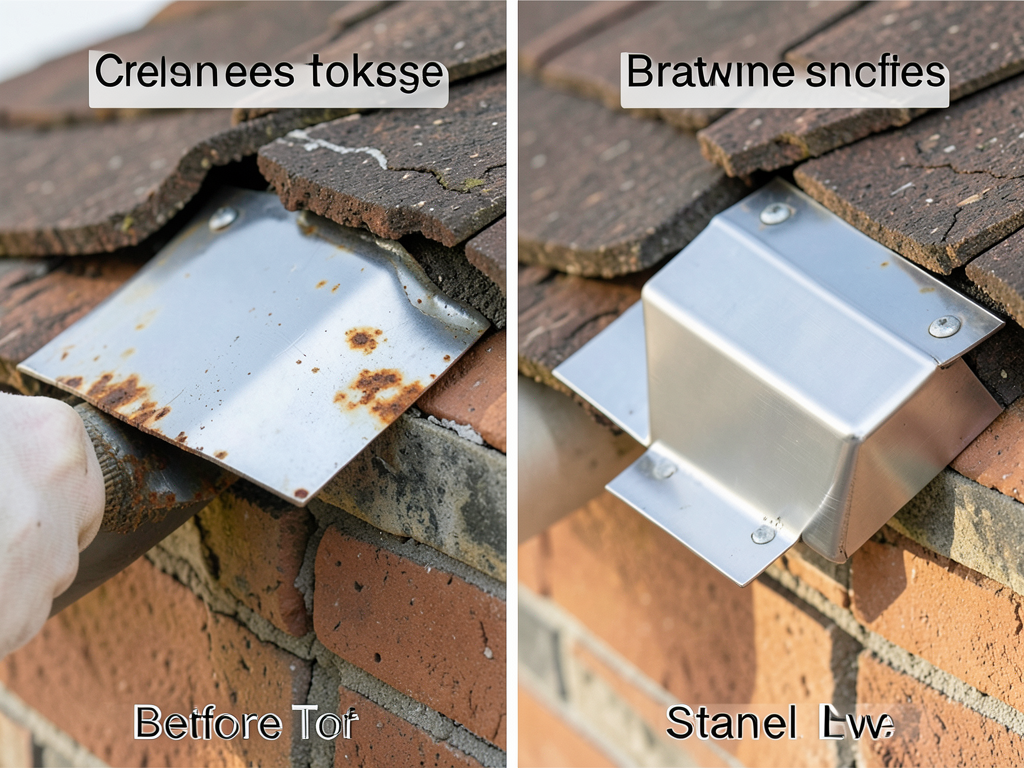
Florida Building Code Section 1507.2.7 requires all roof flashing to be corrosion-resistant and compatible with the roofing material. In coastal zones like Beach Park, many contractors now use stainless steel or copper flashing instead of galvanized steel to meet these durability standards. Without proper materials, your flashing might fail before your roof does. Florida Building Code.
Step-by-Step Chimney Leak Diagnosis Process
Before repairing a chimney leak, a proper diagnosis pinpoints the exact failure point. Here’s what a thorough inspection includes:. Read more about The Most Common DIY Roof Repair Mistakes That Void Warranties in Hillsborough County.
- Interior Inspection
Check the attic for water stains, mold, or wet insulation around the chimney chase. Use a moisture meter to detect hidden dampness in wooden framing.
- Exterior Assessment
Examine all four sides of the chimney for cracked mortar, missing cap, or deteriorated flashing. Look for rusted nails or lifted shingles.. Read more about Dealing with Rusted Drip Edges and Flashings on Older Homes in Armenia Gardens.
- Water Testing
Simulate rain with a controlled water spray to see exactly where water enters. This reveals hidden gaps behind old sealant.
- Material Evaluation
Check if existing flashing is galvanized steel (prone to rust) or aluminum (prone to pitting). Verify compatibility with current roofing. Roofing Dunedin.
During water testing, technicians often discover that the leak isn’t at the flashing at all. Sometimes the chimney crown has hairline cracks, or the flue cap is missing, letting rain pour directly down the chimney shaft. Each failure point requires a different repair approach.
Comparing Chimney Flashing Materials for Tampa Homes
Choosing the right flashing material affects both the repair cost and how long the fix lasts in Beach Park’s climate. Here’s how common options compare:
| Material | Cost Range | Lifespan in Coastal Climate | Best For |
|---|---|---|---|
| Galvanized Steel | $200-$350 | 7-12 years | Brief budget repairs |
| Aluminum | $250-$400 | 10-15 years | Standard residential use |
| Copper | $400-$600 | 30+ years | High-end or historic homes |
| Stainless Steel | $350-$500 | 20-25 years | Beach Park’s salt-air environment |
Copper flashing develops a protective patina that resists corrosion, making it ideal for older Beach Park homes with character. Stainless steel offers similar longevity at a slightly lower cost and won’t stain masonry like copper can. The initial investment pays off by avoiding repeat repairs every few years.
The Chimney Cricket: Why Many Beach Park Homes Need One
A chimney cricket is a small peaked structure installed on the high side of a chimney to divert water around it. Florida Building Code Section 1509.6 requires crickets for chimneys wider than 30 inches on roofs with a slope greater than 4:12. Many Beach Park homes built before the 1990s lack this feature, leading to chronic flashing leaks.
Without a cricket, water pools behind the chimney during heavy rains. This constant moisture exposure deteriorates flashing faster and can cause the chimney to settle unevenly. Installing a cricket during flashing repair adds about $400-$600 to the project but prevents future leaks and ice dam formation during rare cold snaps.
Professional Chimney Flashing Repair Process
A complete chimney flashing repair involves more than just slapping on new sealant. Here’s what the process looks like when done correctly:
- Remove old flashing, sealant, and damaged shingles around the chimney base
- Inspect and repair any rotted roof deck or chimney masonry
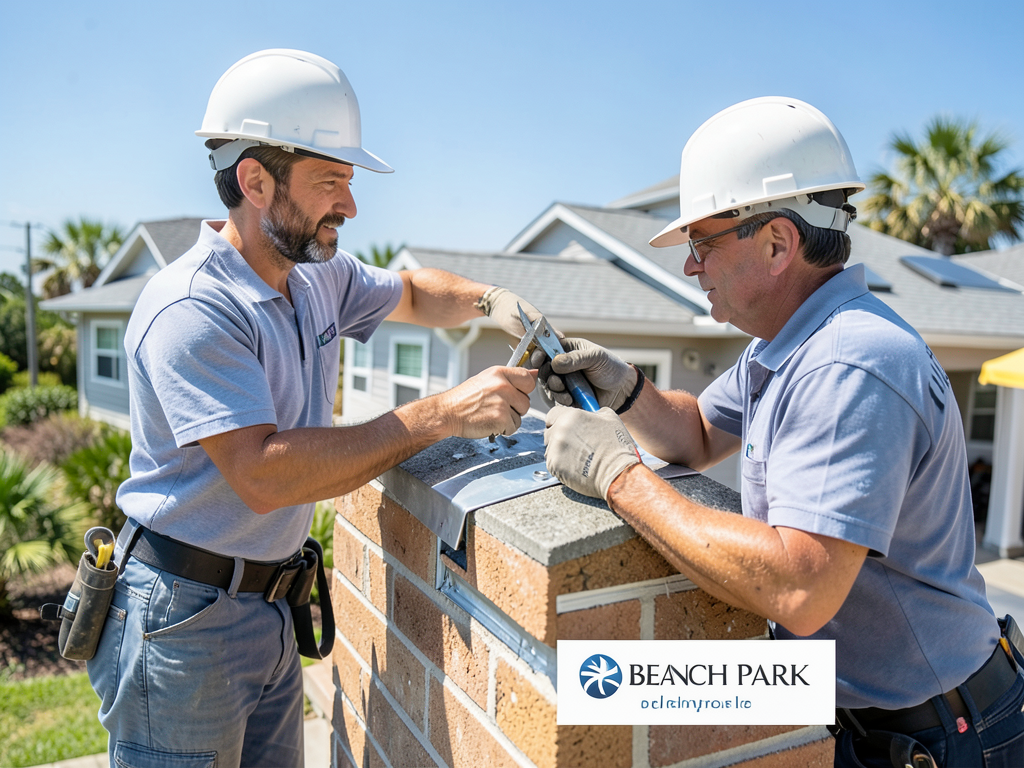
- Install new step flashing integrated into each shingle course
- Apply counter-flashing cut into the chimney mortar joints
- Seal all joints with polyurethane caulk designed for roofing applications
- Test with water to confirm leak elimination
The key difference between a quick fix and a lasting repair is integration. Step flashing must weave through the shingle pattern so water flows over it rather than into it. Counter-flashing must be secured into actual mortar joints, not just surface-mounted. These details make the difference between a repair that lasts 2 years versus 20.
Preventing Future Chimney Leaks in Beach Park
After repairing a leak, homeowners often ask how to prevent the next one. In Beach Park’s climate, prevention means regular maintenance and material choices that withstand coastal conditions.
- Inspect flashing annually before hurricane season
- Clean gutters to prevent water backup near the chimney
- Apply UV-resistant sealant every 3-5 years
- Consider a chimney cap to keep out rain and debris
- Schedule professional inspections after major storms
Many Beach Park homeowners pair flashing repairs with a full roof inspection since leaks often indicate broader aging. If your roof is over 15 years old, the surrounding shingles may be nearing end-of-life too. Addressing everything at once can be more cost-effective than patching repeatedly.
Why Choose Local Beach Park Roofing Experts
Chimney flashing repair isn’t a one-size-fits-all job. A roofer familiar with Beach Park knows that salt air requires different materials than inland Tampa. They understand that many homes here have unique architectural features like decorative chimneys or clay tile roofs that need special handling.
Local contractors also navigate Hillsborough County’s permitting requirements for roof repairs. While minor flashing fixes might not need permits, any work affecting the roof structure or chimney does. A reputable Beach Park roofer will handle permits, inspections, and ensure all work meets Florida Building Code standards.
Cost Factors for Chimney Flashing Repair in Beach Park
Several variables affect the final price of chimney flashing repair:
- Chimney height and roof pitch (steeper roofs increase labor time)
- Material choice (copper costs more than galvanized steel)
- Extent of hidden damage (rotted decking adds to repair costs)
- Permit fees (if required for the scope of work)
- Urgency (emergency repairs during rainy season may cost more)
While it’s tempting to choose the lowest bid, remember that poor-quality repairs often fail within a year. Investing in proper materials and experienced installation saves money long-term by avoiding repeat visits.
Emergency Chimney Leak Response
During Tampa’s rainy season, a chimney leak can’t always wait for a full repair. Emergency tarping provides immediate protection while permanent repairs are scheduled. A proper emergency response includes:
- Installing waterproof tarps to divert water away from the leak
- Setting up temporary drainage to protect interior finishes
- Documenting damage for insurance purposes
- Scheduling priority repair once weather permits
Emergency services are especially valuable for Beach Park homes near the water, where afternoon thunderstorms can dump inches of rain in an hour. Quick action prevents ceiling collapses, electrical hazards, and mold growth that could make your home unsafe.
Frequently Asked Questions
How can I tell if my chimney flashing needs repair?
Look for water stains on ceilings near the fireplace, damp attic insulation around the chimney, or visible rust and gaps in the flashing. Musty odors or peeling paint near the chimney also indicate moisture problems.
Can I repair chimney flashing myself?
While DIY sealant application is possible, proper flashing repair requires removing shingles, cutting into mortar, and ensuring watertight integration with the roof. Improper repairs often trap water and cause more damage. Professional installation is recommended.
How long does chimney flashing repair take?
Most standard flashing repairs take 4-8 hours. Complex repairs involving masonry work or cricket installation may require 1-2 days. Weather conditions and roof accessibility can affect timing.
Will my homeowner’s insurance cover chimney flashing repair?
Standard policies typically don’t cover wear-and-tear repairs. However, if the damage results from a covered peril like a fallen tree or windstorm, insurance might pay. Check your policy or ask your roofer to help with the claim process. Navigating Roof Insurance Claims After a Storm in Tampa.
How much does chimney flashing repair cost in Beach Park?
Basic repairs start around $400-$600, while comprehensive repairs with new flashing and masonry work range from $1,200-$2,500. Copper flashing or cricket installation increases costs but provides longer-lasting protection.
Protect Your Beach Park Home from Chimney Leaks
A chimney leak near Beach Park isn’t just an inconvenience—it’s a warning sign of potential structural damage. The combination of salt air, heavy rains, and aging homes in this area makes chimney flashing a common failure point. By understanding the signs, choosing the right materials, and working with experienced local roofers, you can prevent minor leaks from becoming major disasters.
Don’t wait for the next storm to find out if your chimney is leaking. Early detection and professional repair save thousands in potential damage. Whether you need a quick inspection or a complete flashing overhaul, Beach Park’s roofing experts have the local knowledge and technical skills to keep your home dry through every season. Roofing Saint Petersburg.
Call (656) 245-0955 today to schedule your chimney inspection and repair. Our team serves Beach Park and all of Tampa with fast, reliable service backed by quality workmanship guarantees. Stop the drip before it becomes a flood—your home deserves expert care from people who understand Tampa’s unique roofing challenges. Finding a Reliable Tile Roof Repair Specialist in South Tampa.
You may also find this helpful. The Best Way to Fix Leaking Valley Flashings on Complex South Tampa Rooflines.
{
“@context”: “https://schema.org”,
“@type”: “BlogPosting”,
“headline”: “Finding the Source of a Mystery Leak Near Your Chimney in Beach Park”,
“description”: “Chimney leaks near Beach Park can cause major damage. Learn how to spot the warning signs and get expert chimney flashing repair from Tampa’s trusted roofing pros.”,
“wordCount”: 1748,
“datePublished”: “2026-04-03T14:52:00.000Z”,
“dateModified”: “2026-04-03T14:52:00.000Z”,
“inLanguage”: “en-US”,
“mainEntityOfPage”: {
“@type”: “WebPage”,
“@id”: “https://crestlineroofingtampa.com”
},
“publisher”: {
“@type”: “LocalBusiness”,
“name”: “Crestline Roofing Tampa”,
“url”: “https://crestlineroofingtampa.com”
},
“author”: {
“@type”: “Organization”,
“name”: “Crestline Roofing Tampa”,
“url”: “https://crestlineroofingtampa.com”
},
“image”: {
“@type”: “ImageObject”,
“url”: “https://crestlineroofingtampa.com/wp-content/uploads/2026/03/finding-the-source-of-a-mystery-leak-near-your-chi-1.png”
}
}
{
“@context”: “https://schema.org”,
“@type”: “RoofingContractor”,
“name”: “Crestline Roofing Tampa”,
“url”: “https://crestlineroofingtampa.com”,
“address”: {
“@type”: “PostalAddress”,
“addressLocality”: “Tampa”
},
“areaServed”: {
“@type”: “City”,
“name”: “Tampa”
}
}
{
“@context”: “https://schema.org”,
“@type”: “FAQPage”,
“mainEntity”: [
{
“@type”: “Question”,
“name”: “How can I tell if my chimney flashing needs repair?”,
“acceptedAnswer”: {
“@type”: “Answer”,
“text”: “Look for water stains on ceilings near the fireplace, damp attic insulation around the chimney, or visible rust and gaps in the flashing. Musty odors or peeling paint near the chimney also indicate moisture problems.”
}
},
{
“@type”: “Question”,
“name”: “Can I repair chimney flashing myself?”,
“acceptedAnswer”: {
“@type”: “Answer”,
“text”: “While DIY sealant application is possible, proper flashing repair requires removing shingles, cutting into mortar, and ensuring watertight integration with the roof. Improper repairs often trap water and cause more damage. Professional installation is recommended.”
}
},
{
“@type”: “Question”,
“name”: “How long does chimney flashing repair take?”,
“acceptedAnswer”: {
“@type”: “Answer”,
“text”: “Most standard flashing repairs take 4-8 hours. Complex repairs involving masonry work or cricket installation may require 1-2 days. Weather conditions and roof accessibility can affect timing.”
}
},
{
“@type”: “Question”,
“name”: “Will my homeowner’s insurance cover chimney flashing repair?”,
“acceptedAnswer”: {
“@type”: “Answer”,
“text”: “Standard policies typically don’t cover wear-and-tear repairs. However, if the damage results from a covered peril like a fallen tree or windstorm, insurance might pay. Check your policy or ask your roofer to help with the claim process. Navigating Roof Insurance Claims After a Storm in Tampa.”
}
},
{
“@type”: “Question”,
“name”: “How much does chimney flashing repair cost in Beach Park?”,
“acceptedAnswer”: {
“@type”: “Answer”,
“text”: “Basic repairs start around $400-$600, while comprehensive repairs with new flashing and masonry work range from $1,200-$2,500. Copper flashing or cricket installation increases costs but provides longer-lasting protection.”
}
}
]
}
{
“@context”: “https://schema.org”,
“@type”: “HowTo”,
“name”: “Chimney Leak Diagnosis Process”,
“step”: [
{
“@type”: “HowToStep”,
“position”: 1,
“name”: “Interior Inspection”,
“text”: “Check the attic for water stains, mold, or wet insulation around the chimney chase. Use a moisture meter to detect hidden dampness in wooden framing.”
},
{
“@type”: “HowToStep”,
“position”: 2,
“name”: “Exterior Assessment”,
“text”: “Examine all four sides of the chimney for cracked mortar, missing cap, or deteriorated flashing. Look for rusted nails or lifted shingles.”
},
{
“@type”: “HowToStep”,
“position”: 3,
“name”: “Water Testing”,
“text”: “Simulate rain with a controlled water spray to see exactly where water enters. This reveals hidden gaps behind old sealant.”
},
{
“@type”: “HowToStep”,
“position”: 4,
“name”: “Material Evaluation”,
“text”: “Check if existing flashing is galvanized steel (prone to rust) or aluminum (prone to pitting). Verify compatibility with current roofing. Roofing Dunedin.”
}
],
“image”: “https://crestlineroofingtampa.com/wp-content/uploads/2026/03/finding-the-source-of-a-mystery-leak-near-your-chi-1.png”
}
{
“@context”: “https://schema.org”,
“@type”: “BreadcrumbList”,
“itemListElement”: [
{
“@type”: “ListItem”,
“position”: 1,
“name”: “Home”,
“item”: “https://crestlineroofingtampa.com”
},
{
“@type”: “ListItem”,
“position”: 2,
“name”: “Blog”,
“item”: “https://crestlineroofingtampa.com/blog”
},
{
“@type”: “ListItem”,
“position”: 3,
“name”: “Finding the Source of a Mystery Leak Near Your Chimney in Beach Park”
}
]
}
{
“@context”: “https://schema.org”,
“@type”: “Service”,
“serviceType”: “Roofing”,
“provider”: {
“@type”: “LocalBusiness”,
“name”: “Crestline Roofing Tampa”,
“url”: “https://crestlineroofingtampa.com”
},
“areaServed”: {
“@type”: “City”,
“name”: “Tampa”
},
“description”: “Chimney leaks near Beach Park can cause major damage. Learn how to spot the warning signs and get expert chimney flashing repair from Tampa’s trusted roofing pros.”
}