
Shingle vs Metal Roofs for Homes in Apollo Beach (Which Handles Salt Air Better?)
Living near Tampa Bay means your roof faces constant salt air exposure. The question isn’t just about appearance – it’s about which material survives the corrosive coastal environment without constant repairs. Metal roofing offers superior salt air resistance compared to asphalt shingles, lasting 40-70 years versus 15-20 years for traditional shingles in coastal zones. EPA Cool Roof Information.
Apollo Beach homeowners face unique challenges from salt spray carried by Gulf winds. Metal roofs with proper protective coatings withstand this assault while asphalt shingles gradually deteriorate from salt-induced oxidation. The upfront cost difference narrows when you factor in the extended lifespan and reduced maintenance of metal roofing in salt air environments. Choosing the Best Roofing Contractor for Your Westchase Home.
Understanding Salt Air’s Impact on Roofing Materials
Salt air accelerates corrosion through a process called galvanic action. When salt particles settle on metal surfaces, they attract moisture and create an electrolyte solution that speeds up oxidation. This is especially problematic in Apollo Beach where prevailing winds carry salt particles miles inland.. Read more about The Pros and Cons of Standing Seam Metal Roofs for Modern Homes in Hyde Park.
Asphalt shingles face a different threat. Salt air breaks down the petroleum-based compounds in shingles, causing granule loss and brittleness. The constant moisture from coastal humidity prevents shingles from drying completely, creating ideal conditions for algae and mold growth that further degrades the material.. Read more about How Long Does a Shingle Roof Really Last in the Florida Sun?.
According to the Florida Building Code, structures within 1,500 feet of the coastline must use materials rated for High Velocity Hurricane Zone (HVHZ) exposure. Both shingle and metal options exist in HVHZ-rated versions, but their performance differs significantly in real-world conditions. Florida Building Code.
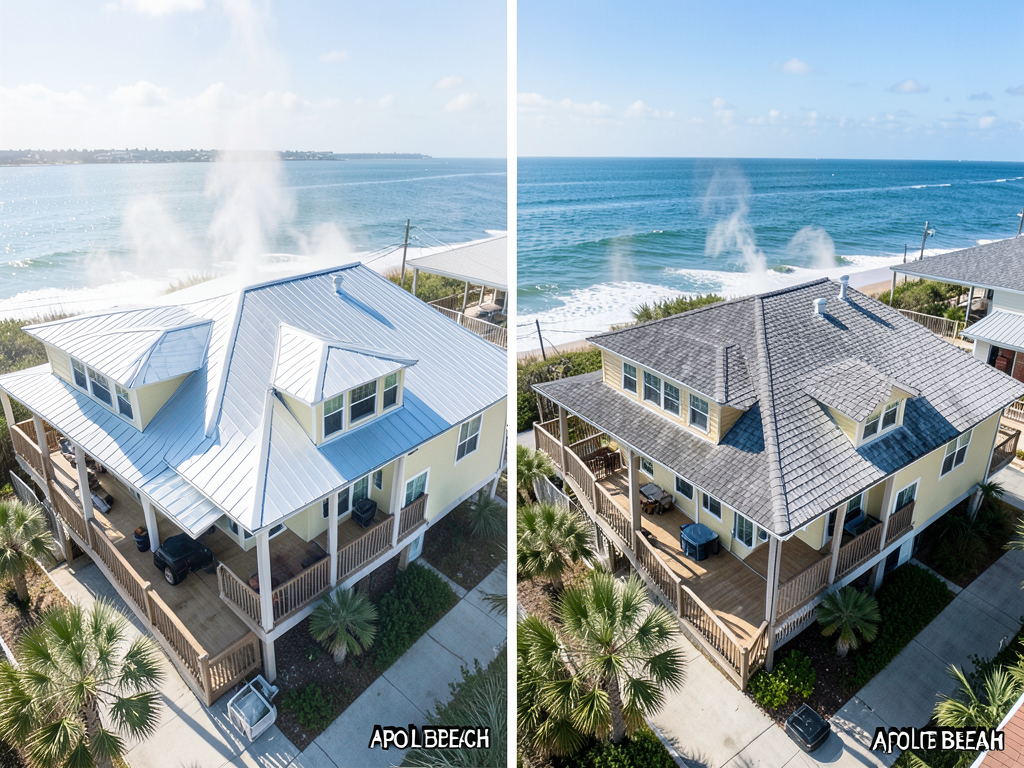
Metal Roofing: The Salt Air Champion
Galvanized steel and aluminum metal roofs excel in salt air environments. The protective zinc coating on galvanized steel creates a barrier that corrodes slowly, while aluminum naturally resists oxidation. Standing seam metal roofs with Kynar 500 or Hylar 5000 finishes provide the best protection, maintaining their integrity for decades.
Metal’s smooth surface allows salt particles to be washed away by rain rather than embedding into the material. This self-cleaning property reduces the buildup that causes corrosion in other materials. Additionally, metal reflects solar heat, reducing cooling costs in Apollo Beach’s hot climate.. Read more about The Best Roofing Materials for Withstanding Salty Air Near MacDill Air Force Base.
Installation matters significantly. Proper fastening systems and underlayment prevent galvanic corrosion where different metals contact. Professional installers use stainless steel fasteners and create separation between dissimilar metals to prevent accelerated deterioration.. Read more about The Real Difference Between GAF and Owens Corning Shingles for Florida Weather.
Asphalt Shingles: The Traditional Choice
Architectural asphalt shingles remain popular for their lower initial cost and familiar appearance. Modern architectural shingles use fiberglass mats and ceramic-coated granules for better durability than traditional three-tab shingles. However, even premium shingles struggle in salt air environments.
The lifespan difference is substantial. While inland areas might see 20-25 years from quality shingles, coastal installations typically fail at 12-15 years due to salt air exposure. The constant moisture prevents shingles from expanding and contracting normally, leading to cracking and curling at the edges.
Algae-resistant shingles help somewhat, but they don’t address the fundamental issue of salt-induced degradation. The dark streaks from algae growth are merely cosmetic compared to the structural damage occurring underneath from salt air exposure.
Cost Comparison: Upfront vs Long-Term Value
Metal roofing costs $8-14 per square foot installed, while asphalt shingles run $3-5 per square foot. The initial price difference seems significant, but metal’s longevity changes the equation. Over 40 years, you’d replace shingles 2-3 times versus a single metal installation. Roofing Dunedin.
| Material | Initial Cost (per sq ft) | Expected Lifespan | Total 40-Year Cost |
|---|---|---|---|
| Architectural Shingles | $3-5 | 15-20 years | $9-15 |
| Standing Seam Metal | $8-14 | 40-70 years | $8-14 |
Insurance considerations add another factor. Many Florida insurers offer 10-15% discounts for impact-resistant roofing and hurricane-rated installations. Metal roofs often qualify for these discounts while also reducing claims from wind damage that frequently affects aging shingle roofs. Navigating Roof Insurance Claims After a Storm in Tampa.
Hurricane and Wind Resistance
Apollo Beach sits in Wind Zone IV, requiring roofs to withstand winds up to 150 mph. Metal roofing systems typically achieve these ratings with proper installation. Interlocking panels and concealed fasteners prevent wind uplift that can tear off individual shingles during storms. Roofing Saint Petersburg.
Asphalt shingles rely on nailing patterns and adhesive strips for wind resistance. Over time, salt air weakens these connections as nails corrode and adhesive strips lose effectiveness. This creates vulnerability during the peak hurricane season when strong winds are most likely.
The Florida Building Code Section 1609.1.2 requires specific fastening methods in coastal areas. Metal roofs meet these requirements more consistently than shingles, particularly for wind speeds exceeding 130 mph where uplift forces become extreme.
Energy Efficiency and Cooling Costs
Metal roofs with reflective coatings can reduce cooling costs by 20-30% compared to dark asphalt shingles. This matters in Apollo Beach where summer temperatures regularly exceed 90 degrees. The reflective properties bounce solar radiation away from your home rather than absorbing it.
Asphalt shingles absorb heat throughout the day and release it slowly at night, keeping your attic and living spaces warmer. This forces air conditioning systems to work harder and longer, increasing energy consumption and utility bills during the long Florida cooling season.
Light-colored metal options maximize reflectivity, while even dark metal finishes perform better than equivalent shingle colors due to the material’s inherent thermal properties. The temperature difference under a metal roof versus a shingle roof can be 20-30 degrees on a sunny afternoon.
Maintenance Requirements and Longevity
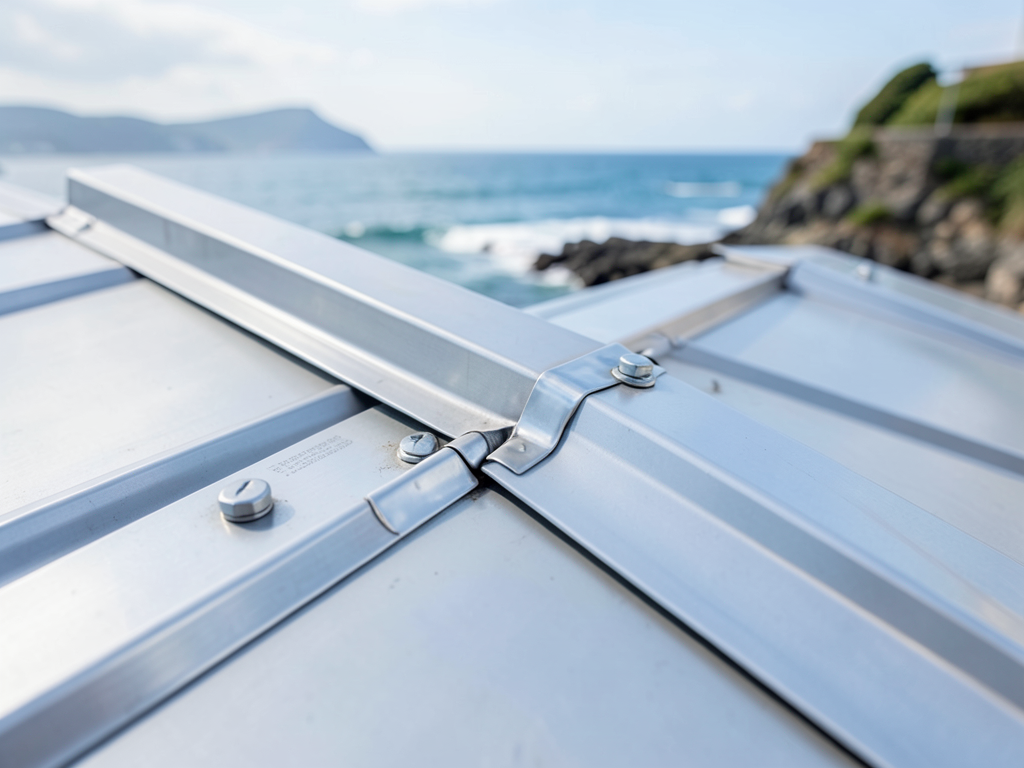
Metal roofs require minimal maintenance beyond occasional cleaning and fastener checks. The protective coatings last 20-30 years before needing recoating, and individual damaged panels can be replaced without affecting the entire system. Salt air actually helps keep metal roofs clean by washing away debris.
Asphalt shingles need regular inspections for granule loss, curling, and algae growth. Coastal homes often require cleaning every 2-3 years to remove salt deposits and prevent moss buildup. Damaged shingles must be replaced promptly to prevent water intrusion, and the entire roof typically needs replacement every 12-15 years in salt air environments. Affordable Roof Replacement Solutions for Homeowners in Riverview.
The maintenance cost difference adds up over time. Annual shingle maintenance might cost $300-500, while metal maintenance averages $100-200 every 5-7 years. Over a 30-year period, these costs can exceed the initial price difference between the materials.
Environmental Impact and Sustainability
Metal roofing contains 25-95% recycled content and is fully recyclable at end of life. The long lifespan means fewer replacement cycles and less material in landfills. Metal production has a higher initial environmental cost, but this is offset by the material’s durability and recyclability.
Asphalt shingles use petroleum products and typically end up in landfills after removal. While some recycling programs exist, most coastal shingles are too degraded for recycling due to salt air exposure. The frequent replacement cycle creates more waste over time compared to metal roofing.
Energy savings from metal’s reflective properties also reduce carbon emissions from power generation. Over a 30-year period, a metal roof can prevent several tons of CO2 emissions compared to traditional shingles, particularly in sunny coastal areas like Apollo Beach.
Installation Considerations for Coastal Homes
Proper installation makes the difference between a roof that lasts 15 years versus 40 years. Coastal installations require stainless steel fasteners, enhanced underlayment, and specific flashing details to prevent salt air intrusion. The Florida Building Code mandates these upgrades for structures within designated coastal zones.
Roof pitch affects performance too. Steeper pitches shed salt spray more effectively, while low-slope roofs allow salt accumulation that accelerates corrosion. Most Apollo Beach homes use 4:12 to 6:12 pitch, which balances salt-shedding ability with architectural appeal.
Ventilation becomes critical in coastal environments. Proper attic ventilation prevents moisture buildup that can lead to mold growth and premature deterioration of both roofing materials and underlying structures. The constant humidity in Apollo Beach makes this especially important.
Making the Right Choice for Your Apollo Beach Home
Consider your long-term plans when choosing roofing materials. If you plan to stay in your home for 10+ years, metal roofing’s durability and energy savings often justify the higher upfront cost. For shorter ownership periods, asphalt shingles might make more financial sense despite their limitations.
Insurance requirements can influence your decision. Some carriers require specific wind ratings or impact resistance for coastal properties. Metal roofs more consistently meet these requirements while also qualifying for premium discounts that can offset part of the cost difference.
Local building codes continue evolving to address climate change and increasing storm intensity. Current codes favor materials and installation methods that exceed minimum requirements, particularly in coastal zones where salt air and hurricane risks combine to create unique challenges.
Call (656) 245-0955 today to schedule your inspection. Our team understands the specific challenges Apollo Beach homes face from salt air exposure and can recommend the best roofing solution for your situation.
Frequently Asked Questions
How much longer does metal roofing last in coastal areas compared to shingles?
Metal roofing typically lasts 40-70 years in coastal environments while asphalt shingles last 12-15 years. The salt air resistance of properly coated metal makes it significantly more durable in Apollo Beach’s marine environment.
Will a metal roof rust in Apollo Beach’s salt air?
Quality metal roofs with proper coatings resist rust effectively. Galvanized steel with Kynar or Hylar finishes can withstand salt air for decades. Aluminum naturally resists corrosion without coatings, making it ideal for coastal installations.
Are metal roofs noisier during rain than shingle roofs?
Modern metal roofs with proper underlayment are no noisier than shingle roofs during rain. The solid sheathing and insulation materials used in installation prevent sound transmission, making the difference in noise level negligible.
Can I install solar panels on a metal roof?
Yes, metal roofs work excellently with solar panels. The long lifespan of metal roofing matches or exceeds solar panel warranties, and the smooth surface makes installation easier than on shingle roofs. Many homeowners choose metal specifically to support future solar installations.
What maintenance does a metal roof need in coastal areas?
Metal roofs need minimal maintenance in coastal areas. Annual inspections to check fasteners and clean debris are typically sufficient. The salt air actually helps keep metal roofs clean by washing away dirt and organic material during rain events.
You may also find this helpful. Understanding the Secondary Water Barrier and How It Lowers Your Tampa Insurance Rates.
{
“@context”: “https://schema.org”,
“@type”: “BlogPosting”,
“headline”: “Shingle vs Metal Roofs for Homes in Apollo Beach (Which Handles Salt Air Better?)”,
“description”: “Comparing shingle and metal roofs for Apollo Beach homes. Discover which material resists salt air corrosion and stands up to coastal storms.”,
“wordCount”: 1702,
“datePublished”: “2026-03-06T11:27:00.000Z”,
“dateModified”: “2026-03-06T11:27:00.000Z”,
“inLanguage”: “en-US”,
“mainEntityOfPage”: {
“@type”: “WebPage”,
“@id”: “https://crestlineroofingtampa.com”
},
“publisher”: {
“@type”: “LocalBusiness”,
“name”: “Crestline Roofing Tampa”,
“url”: “https://crestlineroofingtampa.com”
},
“author”: {
“@type”: “Organization”,
“name”: “Crestline Roofing Tampa”,
“url”: “https://crestlineroofingtampa.com”
},
“image”: {
“@type”: “ImageObject”,
“url”: “https://crestlineroofingtampa.com/wp-content/uploads/2026/03/shingle-vs-metal-roofs-for-homes-in-apollo-beach-w-1.png”
}
}
{
“@context”: “https://schema.org”,
“@type”: “RoofingContractor”,
“name”: “Crestline Roofing Tampa”,
“url”: “https://crestlineroofingtampa.com”,
“address”: {
“@type”: “PostalAddress”,
“addressLocality”: “Tampa”
},
“areaServed”: {
“@type”: “City”,
“name”: “Tampa”
}
}
{
“@context”: “https://schema.org”,
“@type”: “FAQPage”,
“mainEntity”: [
{
“@type”: “Question”,
“name”: “How much longer does metal roofing last in coastal areas compared to shingles?”,
“acceptedAnswer”: {
“@type”: “Answer”,
“text”: “Metal roofing typically lasts 40-70 years in coastal environments while asphalt shingles last 12-15 years. The salt air resistance of properly coated metal makes it significantly more durable in Apollo Beach’s marine environment.”
}
},
{
“@type”: “Question”,
“name”: “Will a metal roof rust in Apollo Beach’s salt air?”,
“acceptedAnswer”: {
“@type”: “Answer”,
“text”: “Quality metal roofs with proper coatings resist rust effectively. Galvanized steel with Kynar or Hylar finishes can withstand salt air for decades. Aluminum naturally resists corrosion without coatings, making it ideal for coastal installations.”
}
},
{
“@type”: “Question”,
“name”: “Are metal roofs noisier during rain than shingle roofs?”,
“acceptedAnswer”: {
“@type”: “Answer”,
“text”: “Modern metal roofs with proper underlayment are no noisier than shingle roofs during rain. The solid sheathing and insulation materials used in installation prevent sound transmission, making the difference in noise level negligible.”
}
},
{
“@type”: “Question”,
“name”: “Can I install solar panels on a metal roof?”,
“acceptedAnswer”: {
“@type”: “Answer”,
“text”: “Yes, metal roofs work excellently with solar panels. The long lifespan of metal roofing matches or exceeds solar panel warranties, and the smooth surface makes installation easier than on shingle roofs. Many homeowners choose metal specifically to support future solar installations.”
}
},
{
“@type”: “Question”,
“name”: “What maintenance does a metal roof need in coastal areas?”,
“acceptedAnswer”: {
“@type”: “Answer”,
“text”: “Metal roofs need minimal maintenance in coastal areas. Annual inspections to check fasteners and clean debris are typically sufficient. The salt air actually helps keep metal roofs clean by washing away dirt and organic material during rain events.”
}
}
]
}
{
“@context”: “https://schema.org”,
“@type”: “BreadcrumbList”,
“itemListElement”: [
{
“@type”: “ListItem”,
“position”: 1,
“name”: “Home”,
“item”: “https://crestlineroofingtampa.com”
},
{
“@type”: “ListItem”,
“position”: 2,
“name”: “Blog”,
“item”: “https://crestlineroofingtampa.com/blog”
},
{
“@type”: “ListItem”,
“position”: 3,
“name”: “Shingle vs Metal Roofs for Homes in Apollo Beach (Which Handles Salt Air Better?)”
}
]
}
{
“@context”: “https://schema.org”,
“@type”: “Service”,
“serviceType”: “Roofing”,
“provider”: {
“@type”: “LocalBusiness”,
“name”: “Crestline Roofing Tampa”,
“url”: “https://crestlineroofingtampa.com”
},
“areaServed”: {
“@type”: “City”,
“name”: “Tampa”
},
“description”: “Comparing shingle and metal roofs for Apollo Beach homes. Discover which material resists salt air corrosion and stands up to coastal storms.”
}