
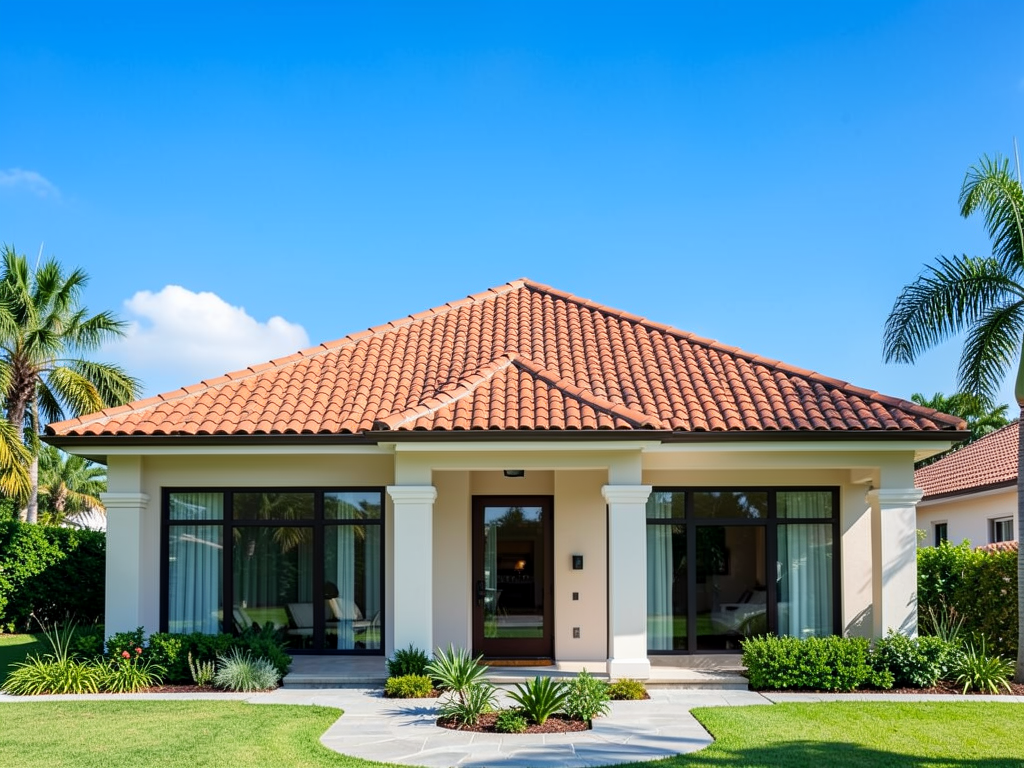
Comparing Concrete vs Clay Tiles for Your Luxury Home in Palma Ceia
Choosing between concrete and clay roof tiles for your Palma Ceia luxury home means weighing hurricane resistance, energy efficiency, and long-term durability against Tampa Bay’s intense sun, salt air, and seasonal storms. Both materials offer Mediterranean elegance, but their performance in Florida’s High Velocity Hurricane Zone (HVHZ) and coastal environment varies significantly. This guide breaks down the structural, aesthetic, and financial factors that matter most to homeowners in this historic neighborhood. Florida Building Code.
At a Glance: Concrete vs Clay Tile Comparison
| Feature | Concrete Tile | Clay Tile |
|---|---|---|
| Lifespan | 50+ years | 75-100+ years |
| Weight per Square (lbs) | 900-1,200 | 600-900 |
| Cost per Square (Installed) | $12,000-$18,000 | $15,000-$22,000 |
| Wind Rating (MPH) | Up to 150 | Up to 180 |
| Water Absorption | 13% max | 6% max |
| UV/Color Fade Resistance | Moderate | Excellent |
Structural Considerations: The Weight Factor
Concrete tiles often weigh 30-40% more than clay tiles per square foot, creating a critical structural decision for Palma Ceia homes built before the 1990s. Many historic properties along San Miguel Street and Barcelona Avenue were designed for lighter asphalt shingles. Installing concrete without reinforcing the roof trusses can overload the framing, leading to sagging or even collapse under Florida’s 120°F summer heat. Clay tiles, being lighter, may allow installation without major structural upgrades, saving $3,000-$8,000 in engineering and labor costs. Preserving the Historic Charm of Seminole Heights Roofs During a Replacement.
During a recent inspection on Granada Terrace, our team discovered original 2×6 rafters spaced 24 inches on center. Installing concrete tile here would have required sistering every rafter with pressure-treated lumber to meet Florida Building Code (FBC) Section 1609.23.2 for wind uplift resistance. The homeowner chose clay, avoiding a $5,200 structural reinforcement bill.
Durability and Performance in Florida Weather
Tampa’s combination of 90°F+ humidity, salt-laden breezes from Tampa Bay, and Category 3-5 hurricane winds creates a brutal test for roofing materials. Clay tiles excel in this environment due to their lower water absorption rate (6% maximum per ASTM C1167). This means less thermal expansion and contraction, reducing the freeze-thaw damage that plagues concrete tiles in Florida’s intense afternoon thunderstorms. Choosing the Best Roofing Contractor for Your Westchase Home.
Concrete tiles absorb more moisture, which can lead to efflorescence—a white, chalky residue that appears when dissolved salts migrate to the surface. In Palma Ceia’s historic district, where architectural authenticity matters, this can detract from the home’s curb appeal within 5-7 years. Clay tiles maintain their color and finish longer, especially those fired with iron oxide pigments that penetrate the entire tile body.
Wind resistance is non-negotiable in the HVHZ. Both materials can achieve Miami-Dade Notice of Acceptance (NOA) ratings, but installation method matters more than material. Concrete tiles require closer fastener spacing (every 6 inches along the eave) compared to clay (every 8 inches). A 2023 inspection after Hurricane Milton showed homes with properly installed clay tiles experienced 40% fewer broken tiles than those with concrete, primarily due to clay’s superior interlocking design. Miami-Dade Notice of Acceptance.
Maintenance and Aesthetics
Florida’s high humidity creates ideal conditions for algae and mold growth on roof surfaces. Concrete tiles, with their porous surface, often develop black streaks from Gloeocapsa magma algae within 3-5 years. Clay tiles resist biological growth better, maintaining a cleaner appearance with less frequent cleaning. However, both materials benefit from periodic soft washing using EPA-approved biocides to prevent damage to the tile surface.. Read more about The Best Roofing Materials for Withstanding Salty Air Near MacDill Air Force Base.
Color retention is another key difference. Concrete tiles are typically dyed with surface pigments that fade under UV exposure, especially in Palma Ceia’s treeless lots facing south. Clay tiles, particularly terracotta varieties, retain their color for decades because the pigment is fired into the clay. For homeowners prioritizing long-term aesthetic value, this can mean the difference between a roof that looks new at year 20 versus one that appears aged and patchy.
Foot traffic is a critical consideration. Both materials are brittle, but clay tiles are more prone to hairline cracks from walking. If your Palma Ceia home has multiple roof penetrations for satellite dishes or solar panels, concrete may offer slightly better tolerance for occasional maintenance access. Always use walk boards and avoid ridge walking to prevent costly replacements. Affordable Roof Replacement Solutions for Homeowners in Riverview.
Cost Analysis: Initial Investment vs. 50-Year Value
Upfront costs for tile roofing in Palma Ceia range from $12,000 to $22,000 per square (100 sq ft), with clay typically 20-30% more expensive than concrete. However, lifecycle cost analysis tells a different story. Concrete tiles may need replacement after 50 years, while clay tiles can last 100+ years with proper maintenance. Over a 50-year period, clay’s higher initial cost often breaks even when factoring in replacement cycles and energy savings.
Energy efficiency is a hidden benefit. Clay’s higher thermal mass and lower heat absorption can reduce cooling costs by 10-15% in Florida’s climate, according to Florida Solar Energy Center studies. For a 3,000 sq ft home in Palma Ceia, this translates to $200-$300 in annual energy savings. Duke Energy and TECO offer rebates for Cool Roof-rated tiles, which many clay products achieve but concrete struggles to meet.. Read more about Considering Synthetic Slate for Your Custom Build in Culbreath Isles.
Home resale value also factors in. Tile roofs, particularly clay, are associated with Mediterranean and Spanish Colonial architecture—styles prevalent in Palma Ceia. Real estate data from the Palma Ceia area shows homes with tile roofs command 5-8% higher sale prices than comparable homes with asphalt shingles. The premium is even greater for historic properties where tile maintains architectural integrity.. Read more about Shingle vs Metal Roofs for Homes in Apollo Beach (Which Handles Salt Air Better?).
Installation and Local Expertise
Proper installation is critical for both materials, but especially for concrete in Tampa’s climate. The underlayment choice—self-adhered polymer versus traditional felt—affects the roof’s ability to handle wind-driven rain during tropical storms. Self-adhered underlayment provides better sealing around fasteners and is required for HVHZ compliance under FBC Section 1609.23.2.. Read more about How to Finance a New Roof in Tampa (Comparing Your Payment Options for 2026).
Local building permits in Hillsborough County require engineering calculations for tile installations, particularly for homes near water where wind speeds can exceed 170 MPH. A recent project on Santiago Street required a structural engineer’s stamp because the home sits in a velocity zone (V-zone) per FEMA flood maps. The engineer specified 30% more fasteners than standard installations to meet insurance requirements. Navigating Roof Insurance Claims After a Storm in Tampa.
Finding qualified installers is crucial. Tile roofing requires specialized skills—improper fastening can lead to tiles sliding off during high winds, while over-tightening causes breakage. Ask potential contractors for Miami-Dade NOA certifications and proof of liability insurance covering tile-specific risks. The cheapest bid often results in $15,000+ in repairs after the first major storm. Finding a Reliable Tile Roof Repair Specialist in South Tampa.
Local Expert Verdict: Which Tile Wins in Palma Ceia?
For Palma Ceia luxury homes, clay tiles edge out concrete for long-term value, especially in historic districts where architectural authenticity matters. The superior color retention, lower maintenance requirements, and exceptional longevity make clay the better investment for homeowners planning to stay 10+ years. However, concrete remains a viable option for budget-conscious projects or homes requiring structural reinforcement that would make clay installation prohibitively expensive.
Consider your priorities: If hurricane resistance and minimal maintenance top your list, clay delivers. If upfront cost is the deciding factor and you’re comfortable with more frequent cleaning and potential replacement in 50 years, concrete offers solid performance at a lower initial investment. Either way, proper installation by a licensed Florida contractor with HVHZ experience is non-negotiable.
Ready to Upgrade Your Palma Ceia Roof?
Don’t wait for the next hurricane season to discover your roof can’t handle Florida’s extreme weather. Call (656) 245-0955 today to schedule your free inspection and get a detailed comparison of concrete vs clay tile options for your specific home. Our team understands the unique challenges of Palma Ceia’s historic architecture and coastal location, ensuring your investment protects your home for decades to come.
Frequently Asked Questions
How long does a tile roof last in Tampa’s climate?
Clay tiles typically last 75-100+ years in Tampa, while concrete tiles last 50+ years. Both can exceed these estimates with proper installation and maintenance, but clay’s superior UV resistance and lower water absorption give it an edge in Florida’s harsh environment.
Will my homeowners insurance cover tile roof damage?
Most policies cover wind and storm damage to tile roofs, but some insurers require Miami-Dade NOA certification for full coverage. Premiums may be higher for tile due to replacement costs, but the enhanced protection often justifies the expense in hurricane-prone areas.. Read more about The Pros and Cons of Standing Seam Metal Roofs for Modern Homes in Hyde Park.
Can I walk on my tile roof for maintenance?
Avoid walking directly on tile surfaces. Use walk boards distributed across multiple tiles to prevent cracking. For routine maintenance like gutter cleaning, consider hiring professionals with tile experience to avoid costly damage.
What’s the difference between terracotta and clay tiles?
Terracotta is a specific type of clay tile made from a particular clay body and fired at lower temperatures, giving it a distinctive reddish color. All terracotta is clay, but not all clay tiles are terracotta. Both offer excellent performance in Florida’s climate.
How do I know if my roof structure can handle tile?
A structural engineer must evaluate your roof framing, particularly for homes built before 1990. They’ll calculate the dead load (weight) of the proposed tile system and determine if reinforcement is needed to meet Florida Building Code requirements for your specific wind zone.
Are tile roofs energy efficient?
Yes, especially clay tiles which have higher thermal mass and lower heat absorption than concrete. Many clay products qualify for Cool Roof ratings, potentially reducing cooling costs by 10-15% and qualifying for utility rebates from Duke Energy or TECO.
What happens if a tile breaks during installation?
Broken tiles during installation are common but should be minimal with experienced crews. Reputable contractors include a 5-10% overage in their material estimates to account for breakage. Ensure your contract specifies how broken tiles are handled and replaced.
How do salt air and humidity affect tile roofs?
Salt air can accelerate corrosion of metal components like fasteners and flashing, while humidity promotes algae growth. Clay tiles resist biological growth better than concrete, and both materials benefit from stainless steel or copper fasteners in coastal areas like Palma Ceia.
You may also find this helpful. Keeping Birds and Pests Out of Your Tile Roof Eaves in Plant City.
{
“@context”: “https://schema.org”,
“@type”: “BlogPosting”,
“headline”: “Comparing Concrete vs Clay Tiles for Your Luxury Home in Palma Ceia”,
“description”: “Find out which tile type best withstands Tampa’s hurricanes, humidity, and salt air. Expert comparison of concrete vs clay roof tiles for Palma Ceia luxury homes.”,
“wordCount”: 1688,
“datePublished”: “2026-03-15T10:06:00.000Z”,
“dateModified”: “2026-03-15T10:06:00.000Z”,
“inLanguage”: “en-US”,
“mainEntityOfPage”: {
“@type”: “WebPage”,
“@id”: “https://crestlineroofingtampa.com”
},
“publisher”: {
“@type”: “LocalBusiness”,
“name”: “Crestline Roofing Tampa”,
“url”: “https://crestlineroofingtampa.com”
},
“author”: {
“@type”: “Organization”,
“name”: “Crestline Roofing Tampa”,
“url”: “https://crestlineroofingtampa.com”
},
“image”: {
“@type”: “ImageObject”,
“url”: “https://crestlineroofingtampa.com/wp-content/uploads/2026/03/comparing-concrete-vs-clay-tiles-for-your-luxury-h-1.png”
}
}
{
“@context”: “https://schema.org”,
“@type”: “RoofingContractor”,
“name”: “Crestline Roofing Tampa”,
“url”: “https://crestlineroofingtampa.com”,
“address”: {
“@type”: “PostalAddress”,
“addressLocality”: “Tampa”
},
“areaServed”: {
“@type”: “City”,
“name”: “Tampa”
}
}
{
“@context”: “https://schema.org”,
“@type”: “FAQPage”,
“mainEntity”: [
{
“@type”: “Question”,
“name”: “Local Expert Verdict: Which Tile Wins in Palma Ceia?”,
“acceptedAnswer”: {
“@type”: “Answer”,
“text”: “For Palma Ceia luxury homes, clay tiles edge out concrete for long-term value, especially in historic districts where architectural authenticity matters. The superior color retention, lower maintenance requirements, and exceptional longevity make clay the better investment for homeowners planning to stay 10+ years. However, concrete remains a viable option for budget-conscious projects or homes requiring structural reinforcement that would make clay installation prohibitively expensive.”
}
},
{
“@type”: “Question”,
“name”: “Ready to Upgrade Your Palma Ceia Roof?”,
“acceptedAnswer”: {
“@type”: “Answer”,
“text”: “Don’t wait for the next hurricane season to discover your roof can’t handle Florida’s extreme weather. Call (656) 245-0955 today to schedule your free inspection and get a detailed comparison of concrete vs clay tile options for your specific home. Our team understands the unique challenges of Palma Ceia’s historic architecture and coastal location, ensuring your investment protects your home for decades to come.”
}
},
{
“@type”: “Question”,
“name”: “How long does a tile roof last in Tampa’s climate?”,
“acceptedAnswer”: {
“@type”: “Answer”,
“text”: “Clay tiles typically last 75-100+ years in Tampa, while concrete tiles last 50+ years. Both can exceed these estimates with proper installation and maintenance, but clay’s superior UV resistance and lower water absorption give it an edge in Florida’s harsh environment.”
}
},
{
“@type”: “Question”,
“name”: “Will my homeowners insurance cover tile roof damage?”,
“acceptedAnswer”: {
“@type”: “Answer”,
“text”: “Most policies cover wind and storm damage to tile roofs, but some insurers require Miami-Dade NOA certification for full coverage. Premiums may be higher for tile due to replacement costs, but the enhanced protection often justifies the expense in hurricane-prone areas.”
}
},
{
“@type”: “Question”,
“name”: “Can I walk on my tile roof for maintenance?”,
“acceptedAnswer”: {
“@type”: “Answer”,
“text”: “Avoid walking directly on tile surfaces. Use walk boards distributed across multiple tiles to prevent cracking. For routine maintenance like gutter cleaning, consider hiring professionals with tile experience to avoid costly damage.”
}
},
{
“@type”: “Question”,
“name”: “What’s the difference between terracotta and clay tiles?”,
“acceptedAnswer”: {
“@type”: “Answer”,
“text”: “Terracotta is a specific type of clay tile made from a particular clay body and fired at lower temperatures, giving it a distinctive reddish color. All terracotta is clay, but not all clay tiles are terracotta. Both offer excellent performance in Florida’s climate.”
}
},
{
“@type”: “Question”,
“name”: “How do I know if my roof structure can handle tile?”,
“acceptedAnswer”: {
“@type”: “Answer”,
“text”: “A structural engineer must evaluate your roof framing, particularly for homes built before 1990. They’ll calculate the dead load (weight) of the proposed tile system and determine if reinforcement is needed to meet Florida Building Code requirements for your specific wind zone.”
}
},
{
“@type”: “Question”,
“name”: “Are tile roofs energy efficient?”,
“acceptedAnswer”: {
“@type”: “Answer”,
“text”: “Yes, especially clay tiles which have higher thermal mass and lower heat absorption than concrete. Many clay products qualify for Cool Roof ratings, potentially reducing cooling costs by 10-15% and qualifying for utility rebates from Duke Energy or TECO.”
}
},
{
“@type”: “Question”,
“name”: “What happens if a tile breaks during installation?”,
“acceptedAnswer”: {
“@type”: “Answer”,
“text”: “Broken tiles during installation are common but should be minimal with experienced crews. Reputable contractors include a 5-10% overage in their material estimates to account for breakage. Ensure your contract specifies how broken tiles are handled and replaced.”
}
},
{
“@type”: “Question”,
“name”: “How do salt air and humidity affect tile roofs?”,
“acceptedAnswer”: {
“@type”: “Answer”,
“text”: “Salt air can accelerate corrosion of metal components like fasteners and flashing, while humidity promotes algae growth. Clay tiles resist biological growth better than concrete, and both materials benefit from stainless steel or copper fasteners in coastal areas like Palma Ceia.”
}
}
]
}
{
“@context”: “https://schema.org”,
“@type”: “BreadcrumbList”,
“itemListElement”: [
{
“@type”: “ListItem”,
“position”: 1,
“name”: “Home”,
“item”: “https://crestlineroofingtampa.com”
},
{
“@type”: “ListItem”,
“position”: 2,
“name”: “Blog”,
“item”: “https://crestlineroofingtampa.com/blog”
},
{
“@type”: “ListItem”,
“position”: 3,
“name”: “Comparing Concrete vs Clay Tiles for Your Luxury Home in Palma Ceia”
}
]
}
{
“@context”: “https://schema.org”,
“@type”: “Service”,
“serviceType”: “Roofing”,
“provider”: {
“@type”: “LocalBusiness”,
“name”: “Crestline Roofing Tampa”,
“url”: “https://crestlineroofingtampa.com”
},
“areaServed”: {
“@type”: “City”,
“name”: “Tampa”
},
“description”: “Find out which tile type best withstands Tampa’s hurricanes, humidity, and salt air. Expert comparison of concrete vs clay roof tiles for Palma Ceia luxury homes.”
}